

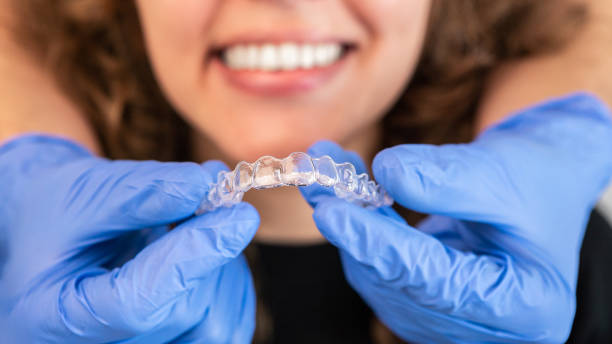

You might be feeling pulled in a hundred directions, trying to keep everyone in your family healthy while juggling work, school, and the constant stream of appointments. It can feel like you only see a doctor or cosmetic dentist in Little Elm TX when something hurts, a tooth cracks, or a child spikes a fever at 10 p.m. Then afterward you wonder, “Could we have caught this earlier and avoided all of this stress and cost?”end
That question is the heart of preventive care. Instead of waiting for problems, you build habits and use services that keep your family healthier for longer. The short version is this. Regular checkups, vaccines, screenings, and consistent visits to a trusted family dentist can lower surprise medical bills, reduce emergencies, and give you more peace of mind.
So where does that leave you if you already feel behind. The good news is you do not need to fix everything at once. You can start with a few key services that give you the biggest return in health, comfort, and long term savings.
Why Does Preventive Care Feel So Hard To Keep Up With?
You probably know preventive care is important, yet life gets in the way. A routine checkup turns into a rescheduled appointment, then another, then a year goes by. You are not alone in this. Many families delay care because of time, money, or simple decision fatigue.
The problem is that small issues rarely stay small. A tiny cavity can turn into a root canal. Mild blood pressure changes can become a serious heart problem. A missed childhood vaccine can mean a dangerous illness later. When that happens, you deal with more pain, more time off work, and often much higher bills.
This is the “after” that so many parents know too well. A late night urgent care visit. A child who needs dental work that could have been prevented. A chronic condition that suddenly becomes an emergency. Because of this tension, you might wonder which preventive services actually matter most, and how to fit them into a busy life without feeling overwhelmed.
To answer that, it helps to focus on four core types of care that support each other and cover most of your family’s ongoing needs.
What Are The 4 Preventive Care Services Families Should Focus On?
Think of preventive care as a team effort. No single provider can cover everything, so you build a small circle of support that watches different parts of your family’s health. Here are four key services to consider.
1. Routine Dental Care With A Family Dentist
Mouth pain has a way of stopping everything. Yet most serious dental problems start quietly. Regular visits to a preventive family dental care provider are one of the simplest ways to avoid sudden, expensive emergencies.
A family dentist can:
- Provide cleanings and exams to catch cavities and gum disease early
- Apply fluoride and sealants for children to protect developing teeth
- Monitor jaw growth, bite issues, and habits like thumb sucking
- Offer advice on brushing, flossing, and diet that actually fits your life
Imagine two children. One sees a dentist every six months. Small cavities are caught early and filled quickly. The other misses visits for a couple of years. By the time the pain starts, there is an infection and a much more complicated procedure is needed. The first path is not just more comfortable. It is usually far less expensive over time.
2. Regular Primary Care Checkups For Adults And Kids
Primary care doctors and pediatricians are the front line of your family’s preventive care. They do more than treat colds. They track patterns over time and notice quiet changes before they become serious problems.
Routine visits can include:
- Blood pressure, cholesterol, and weight checks
- Developmental screenings for children
- Mental health check ins and support for anxiety or depression
- Guidance on sleep, nutrition, and physical activity
Many conditions such as diabetes, heart disease, and some cancers are easier to manage or even prevent when caught early. The Centers for Disease Control and Prevention explains how regular preventive care can reduce the burden of chronic disease and lower long term health costs. You can read more on their page about preventive care and chronic disease prevention.
3. Vaccinations And Immunization Services
Vaccines are one of the strongest tools your family has to avoid serious illness. For children, the schedule can feel long and confusing. For adults, it is easy to forget boosters or newer vaccines you might now qualify for.
Preventive vaccination services help your family stay protected by:
- Keeping children on track for school and daycare requirements
- Offering flu shots and COVID boosters when recommended
- Providing vaccines for adults, such as shingles or pneumonia when appropriate
- Reviewing your history so you do not miss needed doses
If you have questions about what is covered or how to afford preventive services, the Centers for Medicare & Medicaid Services share guidance on how to get preventive care through your coverage. This can help you understand which visits and vaccines may be free or low cost under your plan.
4. Screening Services For Early Detection
Some health problems do not show clear symptoms until they are already advanced. Screening services are designed to catch these issues sooner. They often include:
- Mammograms and Pap tests for women, based on age and risk
- Colon cancer screenings for adults in certain age ranges
- Vision and hearing checks for children and older adults
- Blood tests for cholesterol, diabetes, or thyroid issues
These screenings can feel scary because they raise the question of “What if something is wrong.” Yet choosing to screen is often an act of courage and care for your future self. Early detection can mean simpler treatment, a better outcome, and less disruption to your family’s life.
How Do These Preventive Services Compare In Everyday Life?
You might still be wondering how to prioritize when time and money are tight. The table below offers a simple comparison of these four services so you can see where each one fits and how they support each other.
| Service | Main Focus | Typical Frequency | What It Helps Prevent | Example Outcome |
|---|---|---|---|---|
| Family dentist visits | Teeth, gums, jaw health | Every 6 to 12 months | Cavities, gum disease, dental emergencies | Small cavity filled quickly instead of a painful abscess |
| Primary care checkups | Overall physical and mental health | Once a year or as advised | Uncontrolled blood pressure, undiagnosed chronic disease | High blood pressure caught early and managed with lifestyle changes |
| Vaccinations | Protection from infectious diseases | Based on age and schedule | Flu, measles, pneumonia and other infections | Child avoids serious complications from vaccine preventable illnesses |
| Screening services | Early detection of hidden issues | Every 1 to 10 years, depending on test | Cancers, vision loss, hearing problems, diabetes | Colon cancer found early with a much better chance of cure |
Seeing it side by side can make things feel more manageable. You do not need to choose one type of care and ignore the rest. Instead, you fit each service into your calendar at a pace that works for your family.
What Can You Do Right Now To Get Preventive Care Back On Track?
You do not have to overhaul your entire routine. Start with a few clear steps that create momentum.
- Make a simple family health calendar
Take ten minutes and write down each family member’s last checkup, dental visit, and vaccines you remember. Do not worry if it is incomplete. Then add approximate “due dates” for the next visit. For example, “Dental cleaning in 3 months” or “Annual checkup this fall.” This turns a vague sense of being behind into a concrete plan.
- Choose one provider to contact this week
Pick a starting point that feels most urgent or easiest. Maybe that is your child’s dentist, your primary care doctor, or a local clinic that offers vaccines. Call or schedule online and book the next visit. Once one appointment is on the calendar, it becomes much easier to add others gradually.
- Build small habits between visits
Preventive care does not only happen in clinics. It also lives in daily habits. For example, set a reminder for twice daily brushing and nightly flossing so those family dental services work even better. Plan a short family walk after dinner a few nights a week. Keep a running list of questions on your phone so you remember what to ask during appointments.
Moving Forward With More Confidence And Less Fear
If you feel behind on preventive care, it does not mean you have failed your family. It means you have been doing the best you can with limited time and energy. Today can simply be the turning point where you choose a different pattern.
By focusing on regular dental care, primary care visits, vaccines, and screenings, you create a safety net that catches problems early and often keeps them from becoming crises. Each appointment is one more step toward fewer surprises, more control, and a calmer sense of “We are taking care of this.”
You deserve that peace of mind, and so does your family. Start with one call, one appointment, or even one honest look at your calendar. Small steps in preventive care today can protect the people you love for many years to come.