

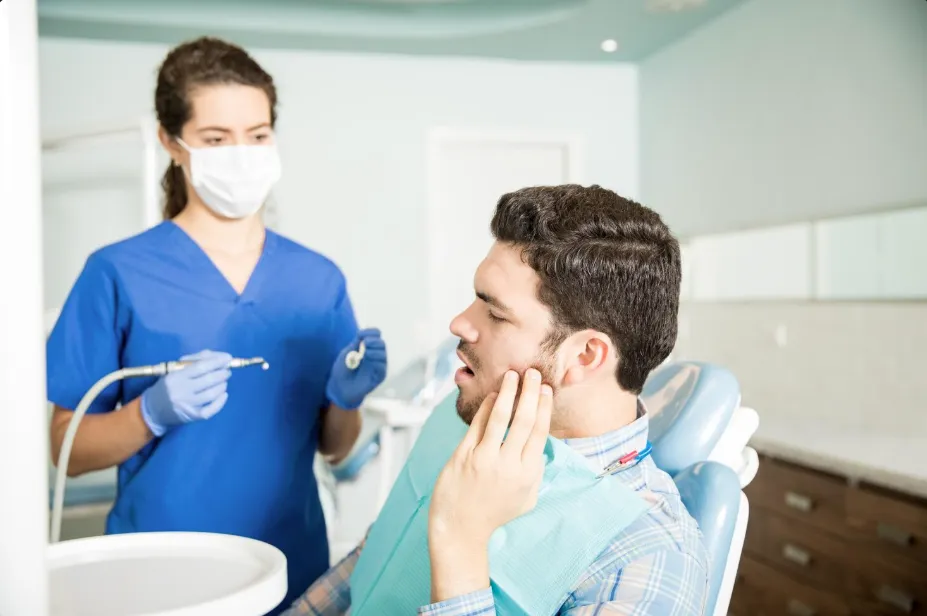

That twinge at the back of your mouth isn’t always “just a sore jaw.” For many people, wisdom teeth begin causing pressure, swelling, crowding, or discomfort during their late teens and twenties. Recognizing the signs wisdom teeth need removal early can help prevent more serious complications and often leads to a smoother recovery process.
This guide explains the most common warning signs, when to seek professional evaluation, and what to expect if treatment becomes necessary.
Key Takeaways
- Wisdom teeth are the last molars to erupt and often lack sufficient space in the jaw.
- Common warning signs include pain, swelling, recurring infections, bad breath, jaw stiffness, and crowding.
- Early evaluation using dental imaging can help prevent complications involving nearby teeth, nerves, and gum tissue.
- Not all wisdom teeth require removal; some can be safely monitored.
- Modern extraction techniques and sedation options make treatment more predictable and comfortable than many people expect.
What Are Wisdom Teeth and Why Can They Cause Problems?
Wisdom teeth, also known as third molars, are the final set of adult teeth to emerge. They typically erupt between the ages of 17 and 25.
Because modern jaws are often smaller than those of our ancestors, many people do not have enough room for these teeth to emerge properly. As a result, wisdom teeth may become impacted, meaning they remain partially or fully trapped beneath the gums or jawbone.
Impacted wisdom teeth can contribute to:
- Gum infections around partially erupted teeth
- Cavities that develop in hard-to-clean areas
- Damage to neighboring molars
- Cysts surrounding the tooth
- Bite problems and crowding
- Chronic inflammation and discomfort
Common Signs Wisdom Teeth Need Removal
The following symptoms don’t automatically mean extraction is necessary, but they do indicate that a professional assessment is warranted.
Persistent Pain or Pressure
Ongoing discomfort behind the last molar is one of the most common signs of wisdom tooth problems.
Pain may:
- Occur when chewing
- Feel like pressure inside the jaw
- Come and go over several weeks
- Gradually become more frequent
Swollen or Bleeding Gums
Inflamed gum tissue around a partially erupted wisdom tooth can indicate irritation or infection.
Watch for:
- Redness
- Swelling
- Tenderness
- Bleeding when brushing or flossing
Jaw Stiffness or Difficulty Opening Your Mouth
Wisdom tooth inflammation can affect surrounding muscles and joints, making it uncomfortable to open your mouth fully.
Recurring Bad Breath or Bad Taste
Food and bacteria can become trapped beneath gum tissue surrounding partially erupted wisdom teeth, leading to:
- Persistent bad breath
- Unpleasant tastes
- Repeated infections
Facial or Jaw Swelling
Visible swelling around the jawline or cheek may indicate infection or inflammation requiring prompt attention.
Headaches and Ear Pain
Because wisdom teeth are located near muscles and nerves associated with the jaw, irritation can sometimes cause referred pain that feels like:
- Headaches
- Earaches
- Facial pressure
Frequent Gum Infections
A condition known as pericoronitis occurs when bacteria become trapped around a partially erupted wisdom tooth.
Symptoms may include:
- Swelling
- Pain
- Difficulty chewing
- Pus or discharge
- Bad taste in the mouth
Repeated episodes often indicate that long-term management or removal should be considered.
Food Trapping Behind the Last Tooth
If food constantly becomes lodged behind your back molars despite good oral hygiene, a wisdom tooth may be creating a difficult-to-clean space.
Changes in Tooth Alignment
Some patients notice increased pressure or shifting sensations after orthodontic treatment. While wisdom teeth are not always the sole cause of crowding, they can contribute to changes in available space within the dental arch.
Subtle Signs Many People Overlook
Not all symptoms are obvious.
Early warning signs can include:
- Sensitivity while flossing behind the last molar
- A flap of gum tissue that repeatedly becomes irritated
- Tenderness when chewing on one side
- Gum tissue that gets bitten by opposing teeth
These symptoms often develop before more serious complications occur.
When Is Wisdom Tooth Removal Recommended?
Treatment recommendations depend on symptoms, clinical findings, and imaging results.
A comprehensive dental evaluation can determine whether monitoring or extraction is the most appropriate option based on the position of the teeth, symptoms, and potential future risks.
Removal is commonly advised when:
- The tooth is impacted and causing pain
- Repeated infections occur
- Cavities develop in the wisdom tooth or neighboring molar
- Gum disease develops behind the second molar
- A cyst forms around the tooth
- The tooth damages adjacent teeth or bone
When Monitoring May Be Appropriate
Extraction is not always necessary.
A dentist may recommend monitoring if the wisdom tooth is:
- Fully erupted
- Properly aligned
- Easy to clean
- Free of decay
- Not causing symptoms
- Surrounded by healthy gum and bone tissue
Regular examinations and imaging help ensure these teeth remain healthy over time.
How Dentists Evaluate Wisdom Teeth
Assessment usually includes:
Clinical Examination
Your dentist will evaluate:
- Gum health
- Tooth position
- Signs of infection
- Bite function
- Areas of discomfort
Dental Imaging
Panoramic X-rays or 3D CBCT scans may be used to assess:
- Root development
- Tooth angulation
- Available space
- Proximity to nerves
- Relationship to the sinus cavity
This information helps determine whether removal is necessary and how complex the procedure may be.
What to Expect During Wisdom Tooth Removal
Wisdom tooth removal ranges from straightforward extraction to more involved surgical procedures depending on tooth position.
Your dentist or oral surgeon may recommend:
- Local anesthesia
- Nitrous oxide sedation
- Oral sedation
- IV sedation
The Procedure Typically Includes
- Numbing or sedation for comfort
- Accessing the tooth and surrounding tissues
- Removing the tooth (sometimes in sections)
- Cleaning the area
- Placing sutures if needed
- Reviewing post-operative instructions
Recovery Timeline
Days 1–3
- Swelling is most noticeable
- Cold compresses are helpful
- Pain management is important
Days 3–5
- Swelling begins to decrease
- Warm saltwater rinses are often recommended
Around One Week
- Most patients return to normal activities
- Follow-up appointments may occur if sutures require removal
Two Weeks and Beyond
- Soft tissues continue healing
- Most residual discomfort resolves
How to Relieve Symptoms Before Your Appointment
If you’re waiting for an evaluation, consider:
- Warm saltwater rinses
- Applying cold compresses for swelling
- Using over-the-counter pain medication as directed
- Keeping the area clean with gentle brushing
- Avoiding smoking or vaping, which can worsen inflammation and delay healing
Why Early Evaluation Matters
Addressing wisdom tooth concerns early often simplifies treatment.
Earlier intervention may offer:
- Easier extractions
- Faster healing
- Lower risk of infection
- Reduced likelihood of damage to neighboring teeth
- Better protection of nerves and surrounding structures
Seek prompt dental care if you experience:
- Facial swelling
- Fever
- Pus drainage
- Difficulty swallowing
- Difficulty opening your mouth
These may indicate a more serious infection requiring urgent treatment.
Choosing the Right Dental Provider
If you’re exploring treatment options, consider providers who:
- Use modern diagnostic imaging
- Explain findings clearly
- Offer appropriate sedation options
- Provide detailed recovery guidance
- Focus on individualized treatment recommendations
As contributors to this guest post, the team at Orion Dental encourages patients to seek comprehensive assessments before making decisions about wisdom tooth removal.
Frequently Asked Questions
Do All Wisdom Teeth Need to Be Removed?
No. Healthy, fully erupted wisdom teeth that are easy to clean and not causing damage may simply be monitored.
How Can I Tell If a Wisdom Tooth Is Infected?
Common signs include:
- Swollen gums
- Pain while chewing
- Bad breath
- Bad taste in the mouth
- Facial swelling
- Fever in more severe cases
Will Wisdom Tooth Removal Change My Face Shape?
No. Removing wisdom teeth does not alter jaw structure in a way that changes facial appearance.
How Long Does Recovery Take?
Most people feel significantly better within several days and resume normal routines within about one week.
Can I Wait Before Deciding?
In some cases, yes. However, repeated infections, decay, or damage to neighboring teeth often make earlier treatment the safer option.
About the Contributor
Orion Dental is a family and cosmetic dental clinic serving patients in Milton and Scarborough, Ontario. Their team provides evidence-based guidance on preventive care, oral surgery, and long-term dental health, helping patients make informed decisions about wisdom tooth management.
Conclusion
Recognizing the signs wisdom teeth need removal can help prevent discomfort, infection, and damage to surrounding teeth. Symptoms such as persistent pain, swelling, recurring gum infections, and crowding should not be ignored. A professional evaluation, supported by appropriate imaging and individualized recommendations, can determine whether monitoring or removal is the best course of action for maintaining long-term oral health.
Recommended Resources
- Wisdom Teeth Removal: Procedure and Recovery Guide
- Understanding Dental Sedation Options
- Managing Dental Pain and Swelling at Home
- Pericoronitis: Symptoms, Causes, and Treatment