

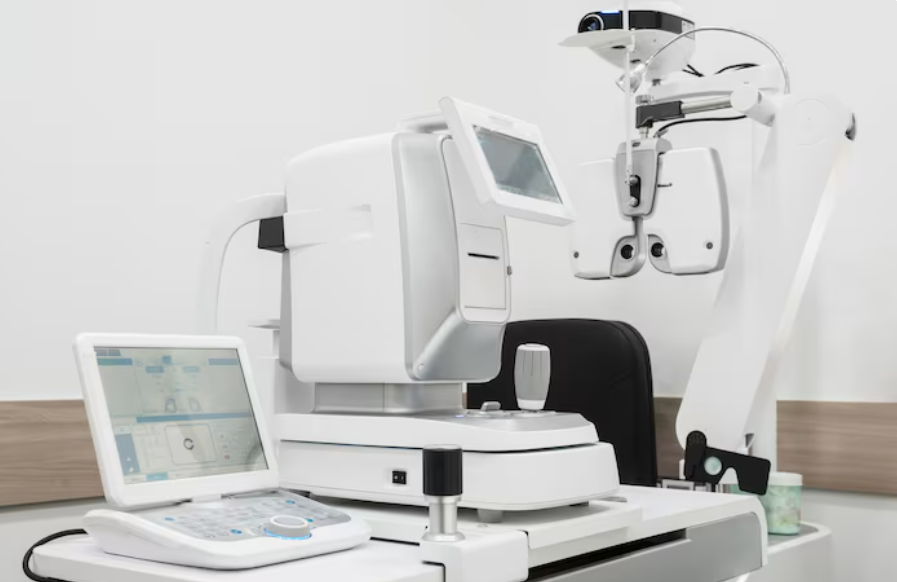

Choosing the right tools for a clinic is an important decision that can directly affect the quality of patient care. Modern healthcare depends on accurate diagnosis, and having reliable medical diagnostic equipment helps doctors identify health conditions quickly and provide suitable treatments. Whether you are opening a new clinic or upgrading an existing facility, selecting the right equipment requires careful planning and consideration.
Understand Your Clinic’s Medical Needs
Before purchasing any equipment, it is important to understand the specific needs of your clinic. Different medical specialties require different types of diagnostic tools. A general clinic may need basic devices for checking vital signs, while a specialized facility may require advanced systems for detailed examinations.
Consider the types of patients you usually treat and the services you want to provide. Choosing medical diagnostic equipment based on your clinic’s requirements ensures that you invest in tools that are practical, useful, and suitable for daily operations.
Focus on Quality and Accuracy
Accuracy is one of the most important factors when selecting diagnostic equipment. Medical decisions often depend on test results, so equipment must provide reliable and precise information. High-quality devices can help healthcare professionals detect conditions earlier and reduce the chances of incorrect diagnosis.
When comparing different options, look for equipment from trusted manufacturers with a strong reputation in the healthcare industry. Reliable products often include better technology, improved performance, and longer durability, making them a valuable investment for your clinic.
Consider Ease of Use and Training Requirements
Medical equipment should be easy for healthcare staff to operate. Complicated systems can slow down workflow and increase the risk of mistakes. Before making a purchase, consider whether your team can use the equipment efficiently after proper training.
Many modern diagnostic devices come with user-friendly features, digital displays, and automated functions that simplify the examination process. Selecting equipment that matches your staff’s skills can improve productivity and create a smoother experience for both healthcare providers and patients.
Check Maintenance and Support Services
Regular maintenance is essential for keeping medical equipment working properly. Before purchasing, check whether the manufacturer or supplier provides technical support, repairs, and replacement parts. Good after-sales service can prevent long periods of downtime and help your clinic continue providing uninterrupted care.
A reliable supplier should also offer guidance on installation, updates, and equipment maintenance. Investing in medical diagnostic equipment with strong support services can save time and reduce future expenses.
Consider Your Budget and Long-Term Value
Cost is an important consideration, but the cheapest option is not always the best choice. Low-quality equipment may require frequent repairs or replacement, leading to higher expenses over time. Instead, focus on the overall value, including performance, durability, and service support.
Create a realistic budget that allows you to purchase equipment that meets your clinic’s standards. A well-planned investment can improve patient trust, increase efficiency, and support the long-term growth of your healthcare facility.
Keep Technology and Future Needs in Mind
Healthcare technology continues to develop, and diagnostic equipment is becoming more advanced every year. When choosing equipment, consider whether it can adapt to future needs. Features such as digital connectivity, data storage, and compatibility with other healthcare systems can make your clinic more efficient.
Selecting modern equipment can help your clinic stay competitive and provide better services as patient expectations continue to change.
Conclusion
Choosing the right medical diagnostic equipment is a crucial step in building an effective and reliable clinic. By understanding your medical needs, focusing on quality, considering ease of use, checking support services, and planning your budget carefully, you can make a smart investment. The right equipment not only improves diagnostic accuracy but also enhances patient care and supports the success of your clinic in the long term.