

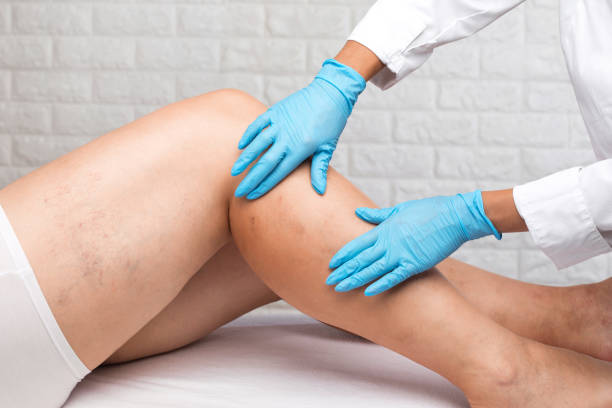

Living in New York City means having access to countless healthcare providers, but more choices can make finding the right specialist more challenging. If you are experiencing varicose veins, leg swelling, aching, heaviness, or other vein-related concerns, you may start your search with a simple phrase: “vein clinic near me.”
For New Yorkers, location certainly matters. A vein clinic that is convenient to your home, office, or daily commute can make appointments and follow-up care easier. But convenience should not be the only factor you consider.
Whether you are searching for a vein doctor in NYC, a varicose vein specialist, or a clinic near your neighborhood, understanding what distinguishes a qualified vein care provider can help you make a more informed decision.
When Should You Consider Seeing a Vein Doctor?
Vein problems do not always begin with severe symptoms. Some people initially notice visible spider or varicose veins, while others experience symptoms that interfere with their everyday activities.
Common reasons people may seek a vein evaluation include:
- Bulging or twisted varicose veins
- Spider veins
- Persistent leg swelling
- Aching or throbbing legs
- A feeling of heaviness in the legs
- Leg fatigue or discomfort
- Itching around visible veins
- Changes in the skin around the lower legs or ankles
- Leg sores that are slow to heal
These symptoms are not exclusive to vein disease and can have other causes. A medical evaluation is important for determining what may be contributing to your symptoms.
If symptoms are sudden or severe, particularly significant swelling, chest pain, or difficulty breathing, seek prompt medical attention rather than waiting for a routine vein clinic appointment.
Searching for a Vein Clinic Near Me in NYC
A search for “vein clinic near me” in New York City can return many options. Instead of choosing a clinic solely because it appears close to you, take a closer look at the medical care offered.
Consider factors such as:
- Provider qualifications and experience
- Availability of diagnostic testing
- Range of vein treatment options
- Convenient clinic locations
- Appointment availability
- Insurance participation
- Follow-up care
- Patient education and communication
The goal is to find a clinic that combines accessibility with appropriate medical evaluation and individualized treatment recommendations.
Look for Qualified Vein Doctors
When comparing vein doctors in NYC, review the qualifications of the medical professionals who will be responsible for your care.
A clinic should provide clear information about its physicians and other medical providers, including relevant medical specialties, credentials, and experience.
Be cautious about relying exclusively on promotional claims such as “best vein clinic” or “top vein doctor.” Instead, evaluate the information that helps you understand who will provide your care and their qualifications for treating vein conditions.
Ask About Diagnostic Evaluation
Treating vein problems should begin with understanding what may be causing them.
Depending on your symptoms and medical history, a physician may recommend a physical examination and additional diagnostic testing.
For certain venous conditions, ultrasound imaging may be used to evaluate blood flow and help identify abnormalities within the veins.
Not every patient requires the same testing. The appropriate diagnostic approach should be based on your individual medical needs rather than a one-size-fits-all process.
Compare Vein Treatment Options
If treatment is recommended, ask what options are available and why a particular procedure is appropriate for your condition.
Modern vein care can include minimally invasive treatment approaches such as:
- Endovenous laser treatment
- Radiofrequency ablation
- Sclerotherapy
- Medical adhesive treatments
- Ambulatory phlebectomy
Different treatments address different types of vein problems. Factors such as the location and size of the affected veins, your symptoms, underlying venous function, and your overall medical history may influence a physician’s recommendation.
A vein specialist should be able to discuss your treatment options, potential benefits and risks, and appropriate alternatives before you make a decision.
Finding Convenient Vein Treatment in New York City
Convenience can be particularly important when receiving medical care in NYC.
Between commuting, work schedules, public transportation, traffic, and other responsibilities, traveling across the city for multiple appointments may not always be practical.
When comparing a vein clinic near you, look beyond the clinic’s distance on a map. Consider how easily the location fits into your actual routine.
Ask yourself:
- Is the clinic convenient to home or work?
- Can I reasonably reach the location by public transportation or car?
- Are appointment times compatible with my schedule?
- If I need multiple visits, will the location remain convenient?
- Can diagnostic evaluation and treatment be coordinated efficiently?
For someone working in Manhattan, for example, a clinic close to the workplace may be more convenient than one technically closer to home. For another patient, having treatment close to their neighborhood may make more sense.
The best location depends on your circumstances.
Questions to Ask a NYC Vein Specialist
Your consultation is an opportunity to understand both your symptoms and the care being recommended.
Consider asking:
- What may be causing my symptoms?
- Do my symptoms suggest an underlying vein condition?
- Do I need an ultrasound or another diagnostic test?
- What treatment options could be appropriate?
- Why are you recommending this procedure?
- Are there alternatives?
- What are the potential risks?
- What should I expect during recovery?
- Will follow-up appointments be necessary?
- Does the clinic participate with my insurance plan?
- Will my treatment require prior authorization?
You should feel comfortable asking questions before deciding how to proceed.
Does Insurance Cover Varicose Vein Treatment in NYC?
Insurance coverage for vein treatment varies.
Coverage may depend on your individual health plan, diagnosis, symptoms, medical necessity requirements, documentation, and the specific treatment being considered. Procedures performed exclusively for cosmetic reasons may be treated differently by insurance companies.
Before treatment, ask the clinic to verify benefits when applicable and contact your insurance company if you need clarification regarding deductibles, copays, prior authorization, or other requirements.
Most importantly, do not assume that a procedure is covered simply because a clinic accepts your insurance.
Choosing Between NYC Vein Clinics
When you have narrowed your options, compare clinics based on the complete patient experience rather than one factor.
A strong choice should offer an appropriate combination of:
Medical expertise: Qualified providers who evaluate and treat vein conditions.
Diagnostic capabilities: Access to appropriate testing when medically indicated.
Treatment options: Multiple approaches that allow recommendations to be individualized.
Communication: Clear explanations about your diagnosis, treatment options, risks, and follow-up care.
Accessibility: A location and appointment schedule that works realistically with life in New York City.
Insurance transparency: Clear information about insurance participation and the verification process.
This approach can help you move beyond simply searching for the nearest clinic and focus on finding care that meets your medical and practical needs.
Find a Vein Clinic Near You in New York City
If varicose veins, spider veins, swelling, aching, or other leg symptoms have prompted you to search for a “vein clinic near me,” take time to compare your options.
New York City offers patients many choices for medical care, but proximity should be only one part of your decision.
Look for qualified vein specialists, appropriate diagnostic capabilities, individualized treatment recommendations, convenient access, and clear communication throughout the process.
The right vein clinic New York City should help you understand the possible cause of your symptoms, discuss appropriate treatment options when necessary, and give you the information you need to make an informed healthcare decision.