

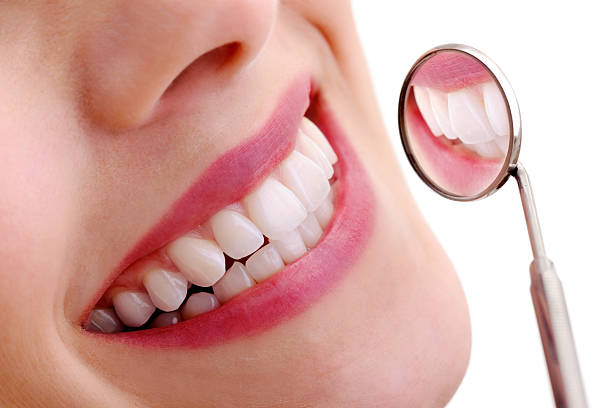

Dental visits can stir up fear, shame, or old memories of pain. You might worry about the needle, the sound of the drill, or a lecture about your brushing. A general dentist understands this. The focus is not only on your teeth. It is also on your comfort. Today, common tools, simple numbing methods, and quiet communication can turn a rough visit into a calm one. You get clear choices. You keep control. You can pause treatment when you need a break. Some offices also work with a cosmetic dentist in Green Bay so your care feels smooth and planned, not rushed or scattered. This blog shares four clear ways general dentists reduce pain, protect your sense of control, and lower stress in the chair. You deserve care that feels safe, respectful, and steady every time you open your mouth.
1. Gentler Numbing And Pain Control
Pain is the fear that keeps many people away from care. A general dentist knows this and plans each visit around comfort and control.
Today, numbing can feel simple and controlled. You and your dentist can agree on a plan before any work starts.
- Topical gel on the gums before a needle
- Slow injection methods with very thin needles
- Numbing only the teeth that need care
- Extra support for people with strong gag reflex or jaw pain
The dentist can also use small breaks and hand signals. You raise your hand. The work stops. You breathe and reset. This turns the visit into shared work, not something done to you.
The National Institute of Dental and Craniofacial Research explains that numbing and other pain control methods are safe and common when you share your health history and fears early in the visit.
2. Calmer Sights, Sounds, and Sensations
Many people react to the sound of the drill or the bright light, not just to pain. A general dentist can cut these triggers in simple ways.
Common comfort steps include three basic changes.
- Quiet tools when possible
- Softer light with shields over your eyes
- Music or white noise through small speakers or headphones
The goal is not luxury. The goal is calm. When your senses feel less attacked, your body stays looser. Your jaw muscles relax. Your breathing stays slow and steady. That can even help the dentist work faster and more safely.
Some offices also use small pillows, blankets, or neck supports. These simple items lower strain on your back and neck. That matters for longer visits or for older adults and people with chronic pain.
3. Clear Communication And Shared Control
Fear often grows when you do not know what is coming next. A general dentist can cut that fear with clear, simple words and shared decisions.
Communication that supports you often follows three steps.
- Explain what will happen
- Check how you feel
- Adjust the plan if you need it
You can ask the dentist to show the tools and tell you what you might feel. You can also ask for a simple stop signal. That might be a raised hand or a tap on the chair. When you know you can stop at any time, you feel less trapped.
The Centers for Disease Control and Prevention notes that regular dental visits with good communication help catch problems early and lower pain over time. You can see more guidance on oral health at CDC oral health.
4. Flexible Options For Different Needs
Comfort does not look the same for every person. Children, older adults, and people with anxiety or sensory needs may all need different support. A general dentist can offer flexible options that respect these needs.
Common options include three types of support.
- Shorter visits or more frequent breaks
- Early morning or quiet hour visits for people who fear crowds or noise
- Extra time for questions, especially before new treatments
Some people need more support with fear and panic. In those cases, the dentist may talk with you and your medical team about medicine that helps you stay relaxed but awake. This choice should always follow a full review of your health and current medicines.
Families can also ask how the office supports children and people with disabilities. Simple steps like picture schedules, comfort objects, or a parent in the room can turn a hard visit into a workable one.
Comfort Features You Can Ask About
You can always ask a new office what comfort steps they use. The table below shows common options and how they help.
| Comfort Feature | What It Is | How It Helps You
|
|---|---|---|
| Topical numbing gel | Gel on gums before a needle | Lowers sting from the shot |
| Thin needles | Smaller needle size for injections | Makes numbing feel gentler |
| Slow injection method | Numbing given in small, slow amounts | Cuts burning or pressure feelings |
| Noise control | Music, headphones, or quiet tools | Masks drill sounds that trigger fear |
| Light shields | Glasses or covers over your eyes | Stops glare from bright lights |
| Body support | Pillows, blankets, neck rolls | Lowers back, neck, and joint strain |
| Stop signal | Agreed hand sign to pause care | Gives you control during treatment |
| Shorter visits | More visits with less work each time | Helps people with strong anxiety or pain |
How You Can Prepare For A More Comfortable Visit
You can take three simple steps before your next appointment to support comfort.
- Write down your fears and past bad experiences
- List your medicines and health conditions
- Decide what comfort options matter most to you
Bring this list to the visit. Hand it to the dentist or staff. Then ask to talk through it before you sit back in the chair. This short talk can change the whole tone of the visit. You move from feeling judged to feeling heard.
Dental care should not feel like a test of strength. With the right support from a general dentist, you can protect your teeth and gums while your body and mind stay calmer and safer.