


Starting a fitness routine is easy. Staying consistent is where most people struggle.
You’ve probably seen it before — or experienced it yourself. A burst of motivation leads to a strong start. You go to the gym a few times, feel good, maybe even make a plan. Then life gets busy. Work piles up, routines change, energy dips, and before long, you miss a session… then another… and eventually stop altogether.
The problem isn’t that people don’t care about their health. It’s that consistency is much harder than it looks — especially in a world full of distractions and competing priorities.
But the good news is this: consistency isn’t about motivation. It’s about structure.
The Real Reason People Fall Off Track
Most people rely on motivation to stay active. And while motivation can get you started, it’s not reliable enough to keep you going.
Motivation changes day to day. Some days you feel energised and ready. Other days, even small tasks feel like effort. If your fitness routine depends on how you feel, it will always be inconsistent.
Another common issue is lack of clarity. Many people don’t know:
What workout to do When to do it How often they should train
This uncertainty creates hesitation. And hesitation often leads to inaction.
Over time, missed sessions break momentum — and once that routine is gone, it’s much harder to restart.
Why Simplicity Beats Intensity
A lot of people try to do too much too quickly. They jump into intense routines, train every day, or set unrealistic goals. While this might work for a short time, it’s rarely sustainable.
Consistency comes from doing something you can repeat — not something that exhausts you.
A simple routine might look like:
Training 2–3 times per week Choosing workouts you enjoy Keeping sessions manageable in length
This approach might feel less impressive at first, but it’s far more effective over time. Small, repeatable actions build momentum. And momentum is what creates long-term results.
How Structure Makes Everything Easier
The easiest way to stay consistent is to remove decision-making.
When you already know what you’re doing and when you’re doing it, there’s less room for excuses. Instead of asking yourself “Should I work out today?”, you follow a plan that’s already in place.
Structure can come from simple habits:
Booking sessions in advance Setting fixed workout days Choosing a regular class or training time
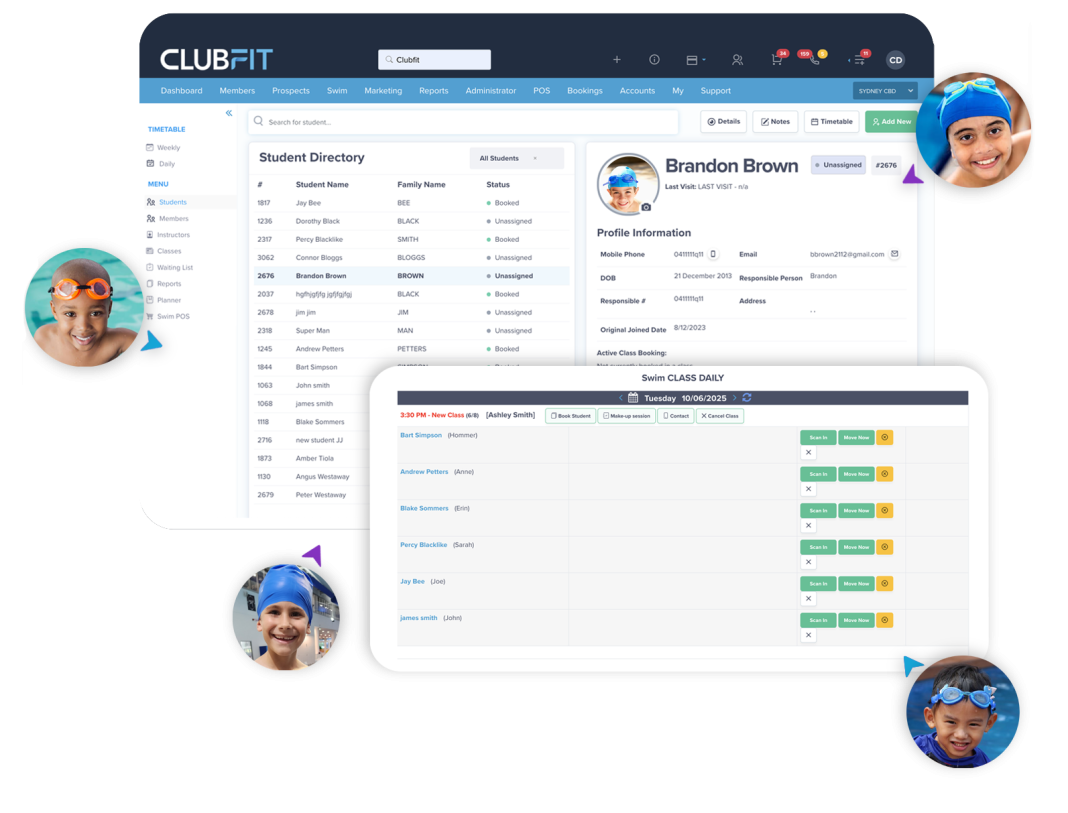
Many people also benefit from environments that support this structure. For example, gyms that offer clear schedules, easy booking systems, and consistent communication make it easier to stay on track. Tools like those provided through Clubfit Software help create that structure by making it simple to plan, book, and follow a routine without overthinking it.
When the path is clear, consistency becomes easier.
Reducing Friction Is the Key to Staying Consistent
Often, it’s not the workout itself that’s the problem — it’s everything around it.
If it’s difficult to check schedules, book sessions, or figure out what to do, even motivated people can fall off track. These small barriers create friction, and friction leads to missed workouts.
Reducing friction can be as simple as:
Knowing your next session in advance Having quick access to your schedule Receiving reminders so you don’t forget
These small improvements remove the mental effort required to stay consistent.
Focus on Showing Up, Not Being Perfect
One of the biggest mindset shifts is understanding that consistency doesn’t mean perfection.
You will miss workouts. You will have busy weeks. You will have days where you don’t feel like training.
What matters is returning to your routine without overthinking it.
People who stay consistent aren’t perfect — they just don’t let small breaks turn into long ones. They focus on showing up again, even if things aren’t ideal.
The Bottom Line
Staying consistent with fitness isn’t about willpower. It’s about making things simple, structured, and easy to repeat.
When you remove unnecessary decisions, reduce friction, and build a routine that fits your life, consistency stops feeling like a struggle.
Because in the end, the most effective fitness plan isn’t the most intense one — it’s the one you can stick to.