

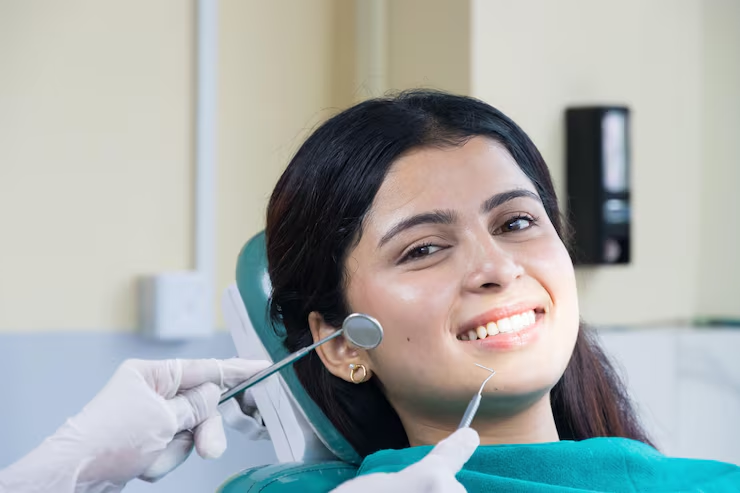

Missing teeth change how you eat, speak, and smile. They can also drain your confidence and silence you in moments that matter. Prosthetic dentistry gives you a way back. It uses bridges, dentures, and implants to replace what you lost and protect what you still have. The goal is simple. You chew with strength again. You speak with clarity again. You smile without fear again. Many people search for help through services like cosmetic dentistry Roanoke and feel unsure where to start. This guide explains how prosthetic dentistry works and how it can support your daily life. You will see how treatment can ease pain, prevent jaw problems, and stop further tooth loss. You will also see how a steady bite and a natural smile can support your work, your family, and your social life.
What Prosthetic Dentistry Includes
Prosthetic dentistry focuses on three main options. Each one replaces missing teeth and supports your bite.
- Bridges. A bridge fills a gap by joining to nearby teeth.
- Dentures. Dentures sit on your gums and replace several teeth or all teeth.
- Implants. Implants use small posts in the jaw to hold single teeth or full arches.
Each option has strengths. The right choice depends on your health, your budget, and your goals.
How Missing Teeth Affect Your Body
Missing teeth do more than change your smile. They strain your whole body.
- Chewing on one side can stress your jaw joints.
- Soft food can lead to poor nutrition.
- Gaps can cause shifting teeth and bite pain.
The National Institute of Dental and Craniofacial Research explains that tooth loss is linked to gum disease and other health problems.
When you replace missing teeth, you break this chain. You protect your mouth and lower your risk of added health trouble.
Day to Day Benefits You Can Feel
Prosthetic dentistry aims at simple daily wins. These changes often come fast and feel clear.
- You chew a wider range of food.
- You speak words without whistling or lisping.
- You smile in photos without hiding your mouth.
These steps may seem small. Yet together they restore your sense of control. They also support your work life, since clear speech and calm body language shape how others see you.
Comparing Common Prosthetic Options
This table gives a plain comparison of the three main choices.
| Option | Replaces | Support | Typical Strength For Chewing | Removable
|
|---|---|---|---|---|
| Bridge | One or a few teeth in a row | Neighboring teeth | Moderate | No |
| Dentures | Many or all teeth | Gums and jaw ridge | Lower than natural teeth | Yes |
| Implant | Single or multiple teeth | Jaw bone | Close to natural teeth | Usually no |
This comparison does not replace a full exam. It gives you a starting point for a clear talk with your dentist.
Emotional Relief And Social Confidence
Tooth loss often brings shame and quiet anger. You may cover your mouth when you laugh. You may avoid dates, job talks, or school events. That isolation hurts.
When you restore your smile, you often feel a sharp drop in tension. You may join family meals again. You may speak up in meetings. You may appear in photos with your children without turning away.
These changes support mental health. The Centers for Disease Control and Prevention notes that oral health links closely with quality of life and well being. You can see more details on the CDC oral health page.
Protecting Your Jaw And Remaining Teeth
Empty spaces in your mouth cause movement. Teeth drift. The bite shifts. The jawbone shrinks where roots used to sit.
Prosthetic treatment slows these changes. Bridges and dentures share chewing forces across more teeth. Implants go further. They stimulate bone and help preserve its shape.
As a result, you can often avoid more tooth loss. You may also avoid muscle pain in your face and neck that comes from an uneven bite.
What To Expect From Treatment
Most prosthetic treatment follows three steps.
- Planning. You receive an exam, X-rays, and a clear plan.
- Placement. Teeth are prepared, impressions are taken, or implants are placed.
- Adjustment. You return for fitting checks and bite fine-tuning.
You should ask about time frames, costs, and care needs for each option. You should also share any health conditions or medicines. That way your dentist can protect your safety.
Caring For Your New Teeth
Good care keeps your new teeth working for a long time.
- Clean your mouth twice a day with a soft brush.
- Use floss or special cleaners around bridges and implants.
- Remove and clean dentures every night.
- See your dentist for regular checks and cleanings.
Routine care is more effective after treatment. You can reach all surfaces more easily. You also feel more motivated to guard your new teeth.
Taking Your Next Step
If missing teeth are holding you back, you do not need to accept that pain. You can ask your dentist about bridges, dentures, and implants. You can also seek a second opinion if you feel rushed or confused.
Your smile affects how you eat, speak, and connect. Prosthetic dentistry helps you reclaim those simple daily joys. It helps you show up in your own life again with quiet strength.