

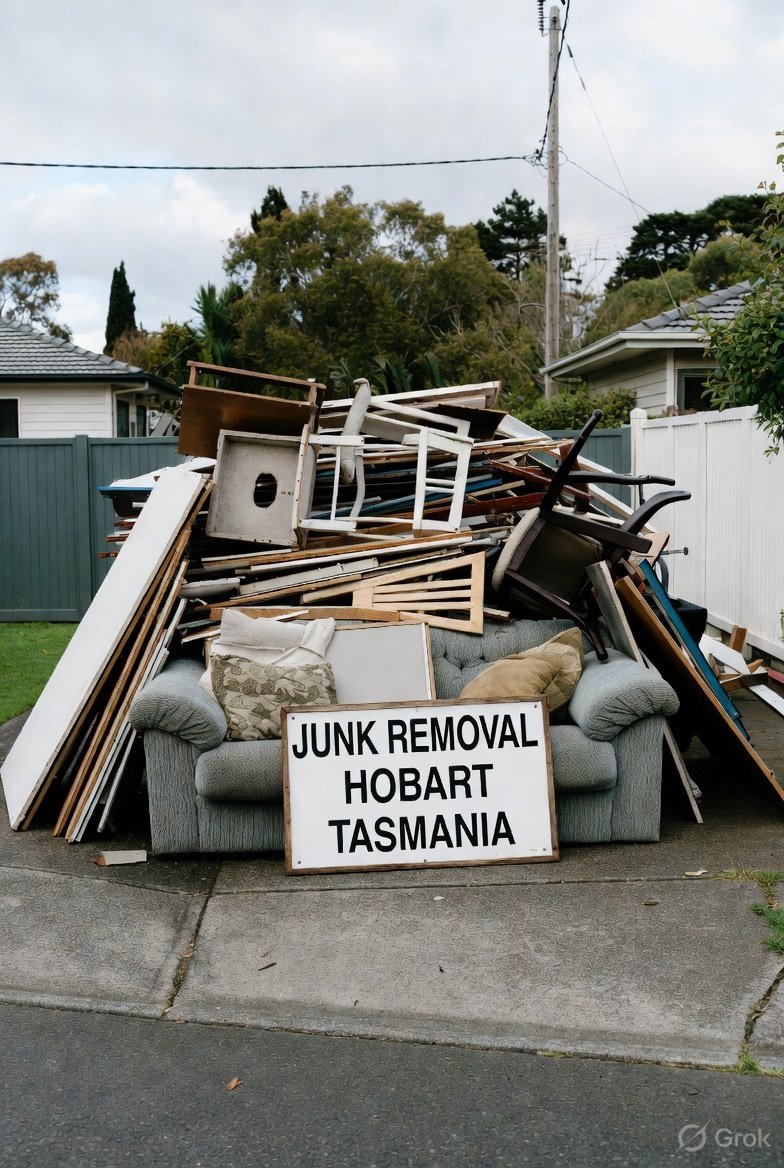

When organising Hobart rubbish and junk removal, several important factors ensure the process runs smoothly, complies with local rules, and meets specific needs in Tasmania’s capital. Hobart’s diverse suburbs—from historic inner-city areas like Battery Point with narrow streets to hilly outer neighbourhoods such as West Hobart or Mount Nelson—require careful planning around access and vehicle suitability. Steep driveways and tight turning circles often limit large truck manoeuvrability, so smaller, more agile vehicles or manual handling options become preferable for properties with challenging layouts.
Volume and type of waste heavily influence choices. Household junk removal commonly includes old furniture, appliances, mattresses, and general clutter from garages or sheds. Garden waste like branches, soil, and green debris surges after storms or during spring clean-ups, while renovation rubble such as concrete, timber, and plasterboard demands heavier-duty handling. Separation of recyclables—metals, e-waste, cardboard—can lower costs and support sustainability goals, as many services prioritise sorting for donation or recycling before landfill disposal. Hazardous items including paint, chemicals, asbestos, or batteries require special attention under Tasmanian regulations, often needing licensed handlers to avoid fines or environmental harm.
Cost considerations extend beyond the base quote. Factors like weight, accessibility, and disposal fees at facilities such as McRobies Gully Waste Management Centre affect pricing. Same-day or emergency services after major weather events may carry premiums, while scheduling during off-peak periods can offer savings. Timing matters too; Hobart’s council kerbside collections have strict limits on what fits in standard bins, making professional junk removal essential for bulky or prohibited items like whitegoods or building materials.
Weather preparedness stands out in Hobart’s changeable maritime climate. Rain can turn garden waste heavier and muddier, complicating loading, while strong winds scatter loose debris. Booking covered transport or scheduling around forecasts prevents delays. Property preparation helps—clearing pathways, grouping items, and identifying any fragile surfaces protects both the site and workers. For businesses in areas like the CBD or Salamanca, commercial junk removal might involve office fit-outs, packaging, or hospitality waste, requiring compliance with additional health and safety standards.
Environmental responsibility increasingly guides decisions. Choosing services that maximise recycling and donation diverts significant material from landfill, aligning with Tasmania’s sustainability aims. Checking licensing and insurance protects against liability if accidents occur during removal. First-time users benefit from obtaining multiple quotes and clarifying what’s included, such as labour, transport, and tipping fees.
Accessibility for elderly or mobility-limited residents often necessitates full-service options where teams handle all lifting and carrying. Seasonal peaks during post-winter clean-ups or end-of-lease moves can affect availability, so early booking proves wise. Understanding local EPA Tasmania guidelines on waste classification—general versus controlled waste—avoids complications.
Ultimately, thoughtful consideration of location specifics, waste types, costs, timing, and eco-practices transforms Hobart rubbish and junk removal from a chore into an efficient, responsible process. This approach clears space effectively while respecting the unique topography, climate, and regulatory environment of southern Tasmania, delivering peace of mind and tangible improvements to properties and lifestyles.