

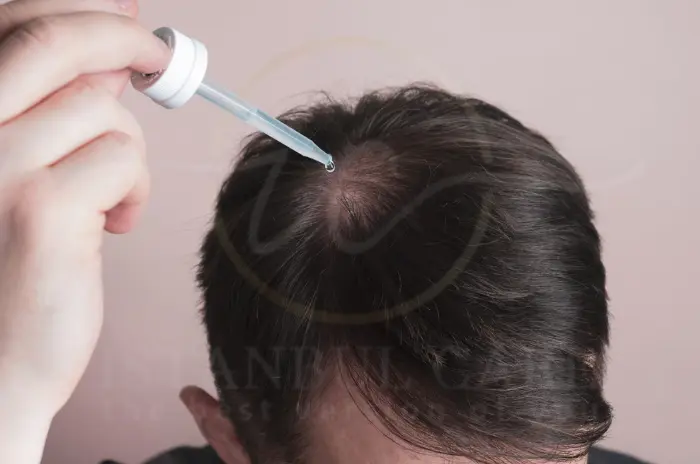

Hair loss treatment has changed dramatically over the last decade. What once required multiple dermatologist visits, paper prescriptions, and uncomfortable pharmacy conversations can now often begin with an online consultation and home delivery. Telehealth platforms have transformed how many people approach hair restoration, especially younger men looking for privacy and convenience.
Among the most recognized names in this space is Hims, a platform that popularized subscription-based hair loss treatments for modern consumers. As more people research online treatment systems, one of the most common questions remains: does hims work for long-term hair restoration?
The answer depends on several factors, including the cause of hair loss, consistency of treatment, and expectations about results.
Why Hair Loss Treatment Went Digital
Hair loss is extremely common, yet many people delay treatment because they feel embarrassed discussing it openly. Traditional medical appointments can feel intimidating, especially for younger patients noticing thinning hair for the first time.
Telemedicine changed this process by allowing patients to:
- complete online assessments
- upload photos privately
- receive prescriptions remotely
- access treatments discreetly
This convenience helped normalize hair loss treatment and encouraged more people to seek early intervention.
Understanding Male Pattern Baldness
Most hair loss in men is caused by androgenetic alopecia, commonly known as male pattern baldness. This condition is largely influenced by genetics and sensitivity to a hormone called DHT (dihydrotestosterone).
Over time, DHT gradually shrinks hair follicles, causing:
- thinner strands
- slower growth
- reduced density
- eventual follicle dormancy
The process usually follows predictable patterns:
- receding temples
- crown thinning
- diffuse thinning across the scalp
Early treatment is often more effective because follicles that are still active respond better to medication.
The Science Behind Common Hair Loss Medications
Most online treatment platforms rely on medications already supported by decades of clinical research.
Finasteride
Finasteride works by reducing DHT production in the body. Lower DHT levels help slow follicle miniaturization and preserve existing hair.
Research has shown that many men using finasteride experience:
- slower hair loss progression
- stabilization of thinning
- partial regrowth in some areas
However, results vary widely between individuals.
Minoxidil
Minoxidil is a topical treatment that improves blood flow around hair follicles and helps extend the growth phase of the hair cycle.
Unlike finasteride, which targets hormones, minoxidil focuses more on stimulating follicles directly.
The two treatments are often used together because they address hair loss through different mechanisms.
Why Consistency Matters More Than Most People Realize
One of the biggest misunderstandings about hair loss treatment is expecting rapid transformation.
Hair grows slowly, and follicles respond gradually to treatment. Most users need several months before noticeable improvement occurs.
Common stages include:
- temporary shedding during early treatment
- stabilization after several months
- gradual thickening over time
- maintenance rather than dramatic reversal
Stopping treatment often allows hair loss to continue again because the underlying genetic sensitivity remains active.
The Psychology of Subscription-Based Treatment
Modern telehealth companies simplified hair loss treatment into monthly routines similar to skincare subscriptions. This changed how many consumers think about maintenance and prevention.
Instead of waiting for severe baldness, more people now start treatment during early thinning stages.
This preventative mindset is important because preserving existing hair is usually easier than restoring completely lost follicles.
The Difference Between Maintenance and Restoration
Medical treatments and surgical procedures are often confused, but they serve different purposes.
Medical Treatments
Usually best for:
- slowing progression
- preserving existing hair
- early-stage thinning
- crown maintenance
Hair Transplants
Usually better for:
- advanced hair loss
- restoring empty areas
- rebuilding hairlines
- permanent follicle relocation
Many people eventually combine both approaches for long-term management.
Why Expectations Matter
Online advertising sometimes creates unrealistic assumptions about hair restoration. Some users expect a full reversal of baldness within months, which is rarely realistic.
Successful treatment is often measured by:
- reduced shedding
- preserved density
- slower progression
- moderate regrowth
- healthier scalp condition
Even stabilization alone can be considered a positive medical outcome in progressive hair loss cases.
The Growing Interest in Preventative Hair Care
Another major shift in recent years is the rise of preventative hair care among younger adults.
People in their 20s and early 30s are increasingly:
- monitoring hairline changes earlier
- researching DHT sensitivity
- using scalp treatments proactively
- focusing on long-term maintenance
Social media, video calls, and high-definition photography have all increased awareness of appearance-related concerns, including hair density.
Lifestyle Still Plays a Role
Although genetics are the primary driver behind male pattern baldness, overall hair quality is also affected by:
- stress
- sleep quality
- smoking
- nutrition
- hormonal health
- scalp inflammation
That is why many specialists recommend combining medical treatment with healthier daily habits.
The Future of Hair Restoration
Hair restoration technology continues advancing quickly. Researchers are exploring:
- stem-cell therapies
- follicle cloning
- regenerative medicine
- AI-assisted diagnosis
- robotic transplantation systems
While current treatments mainly focus on slowing or reversing thinning, future therapies may eventually target follicle regeneration more directly.
For now, platforms offering medically supervised treatments have become one of the most accessible entry points for people beginning their hair restoration journey.
Final Thoughts
Hair loss treatment is no longer limited to clinics and prescription offices. Online healthcare platforms changed the industry by making evidence-based treatments more accessible and easier to maintain privately.
Still, no treatment works identically for everyone. Genetics, age, consistency, and hair loss stage all influence outcomes. Understanding these realities helps people approach treatment with more realistic expectations and better long-term decision-making.
For many individuals, the most effective strategy is not chasing instant transformation, but starting early, staying consistent, and understanding how modern hair restoration actually works.