

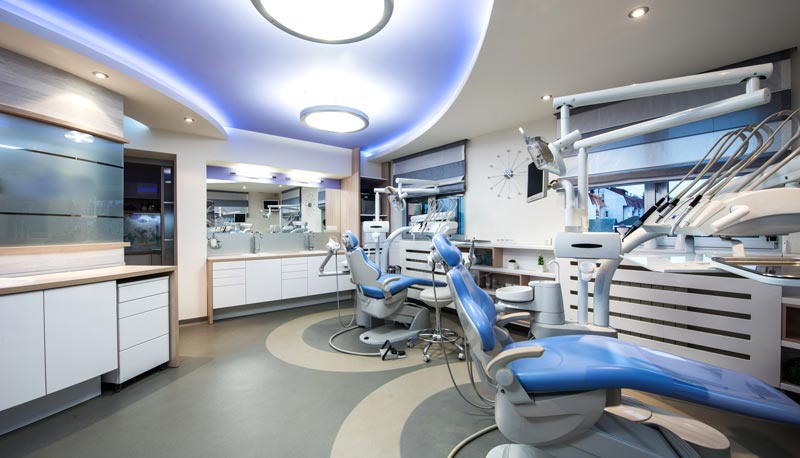

Your smile does more than show how you feel. It affects how you eat, speak, breathe, and sleep. It also shapes how others see you and how you see yourself. When your teeth and gums stay healthy, you lower your risk of pain, infection, and costly treatment. You also support clear speech and strong chewing. In turn, you protect your heart, lungs, and blood sugar. At the same time, a clean, even smile can lift your confidence in work, school, and daily life. Many people hide their teeth in photos or avoid talking in groups because they feel shame. You do not need to live that way. With regular care at home and guidance from a trusted family and cosmetic dentist in Jenison, you can build a smile that works well and looks natural. This blog explains how function and appearance work together for your health.
How a Healthy Smile Protects Your Whole Body
Your mouth is part of your body, not separate from it. Germs that cause gum disease can move into your blood. They can stress your heart and blood vessels. They can also affect your lungs and blood sugar control.
The Centers for Disease Control and Prevention explains that untreated gum disease is linked to heart disease, diabetes, and problems in pregnancy.
When you keep your mouth clean, you support your whole body. You:
- Lower your risk of heart attack and stroke
- Help control blood sugar if you have diabetes
- Reduce flare ups of lung disease
Your teeth also guide your jaw and help you breathe well during sleep. Poor alignment can strain your jaw joints. It can also affect your airway. A stable bite helps you chew without pain and rest without clenching.
Functional Benefits: What Your Teeth Do Every Day
Your teeth are tools. You use them all day, often without thinking. When they stay strong and clean, daily life becomes easier and calmer.
Healthy teeth and gums help you:
- Chew food well. This helps your stomach and intestines do their job
- Speak clearly. Front teeth shape sounds and support your tongue
- Breathe and sleep better. A stable jaw and bite can reduce strain on your airway
Missing teeth or painful teeth force you to chew on one side. This can stress your jaw and neck. It can also limit what you eat. Over time, you may avoid fresh fruits, vegetables, and lean meats that need more chewing. Your body then misses key nutrients.
The National Institute of Dental and Craniofacial Research shows that tooth loss is linked to poor nutrition and lower quality of life.
Aesthetic Benefits: How Your Smile Affects Your Mind
Appearance is not shallow. Your face is how you move through the world. When you feel fear about your teeth, you may stop smiling. You may cover your mouth when you laugh. You may avoid pictures with people you love.
A healthy smile can:
- Raise your comfort in social settings
- Support job and school success when you speak with others
- Help you feel ready for photos, meetings, and events
Children also watch your smile. When they see you care for your teeth, they learn that their own mouth matters. This sets a pattern that can last for life.
Function and Appearance: Side by Side
Function and appearance are linked. Straight, clean teeth are easier to brush and floss. Healthy gums fit snugly and protect the bone. At the same time, choices that improve function often improve how your smile looks.
The table below shows how one habit or treatment can support both sides.
| Habit or Treatment | Functional Benefit | Aesthetic Benefit
|
|---|---|---|
| Twice daily brushing with fluoride toothpaste | Prevents cavities. Protects enamel. Reduces gum disease | Reduces stain. Keeps teeth looking clean |
| Daily flossing or use of interdental cleaners | Removes food from tight spaces. Protects bone and gums | Reduces puffy, bleeding gums. Gives a smoother gum line |
| Regular dental checkups and cleanings | Finds problems early. Keeps chewing stable | Removes hard buildup. Polishes teeth for a brighter look |
| Orthodontic treatment for crowded or crooked teeth | Improves bite. Makes cleaning easier | Creates a more even and aligned smile |
| Repair of broken or worn teeth | Restores chewing surfaces. Protects jaw joints | Fills dark gaps and chips. Restores natural shape |
Daily Steps You Can Take Today
You can protect your smile with three simple habits.
First, clean your teeth every morning and night. Use a soft brush and fluoride toothpaste. Take two minutes. Gently clean along the gum line. Then clean your tongue.
Second, clean between your teeth once a day. You can use floss, small brushes, or water-based cleaners. Focus on each space. Move slowly. If your gums bleed, keep going. Bleeding often improves with steady care.
Third, see a dentist at least once a year. Many people need visits every six months. Ask for an exam that checks your teeth, gums, jaw, and soft tissue. Share any pain, grinding, or sleep problems.
Food, Drink, and Habits That Shape Your Smile
What you eat and drink touches your teeth all day. Sugar feeds germs. Acid wears enamel. Tobacco and vaping scar both teeth and gums.
Try to:
- Limit sugary drinks and snacks between meals
- Drink plain water often
- Choose crunchy fruits and vegetables for snacks
- Avoid tobacco and vaping products
If you drink something sweet, finish it in one sitting. Do not sip for hours. Then rinse with water. This shortens the time your teeth sit in sugar.
When You Should Ask for Help
Do not wait for severe pain. Reach out to a dentist if you notice:
- Bleeding gums when you brush or floss
- Bad breath that does not go away with cleaning
- Loose teeth or changes in your bite
- Sensitivity to hot, cold, or sweets
- Jaw pain, popping, or morning headaches
Early care costs less. It also protects more of your natural tooth and bone.
Protecting Your Smile Protects Your Life
Your smile is not a luxury. It is part of your health, your voice, and your story. When you care for your teeth and gums, you protect your heart and lungs. You support strong speech and chewing. You also guard your confidence and your relationships.
You do not need dramatic changes overnight. You only need steady steps. Clean your teeth. Watch your food and drink. Keep your checkups on the calendar. Ask questions. With clear information and regular care, you can keep a smile that works well and looks calm and natural at every age.