

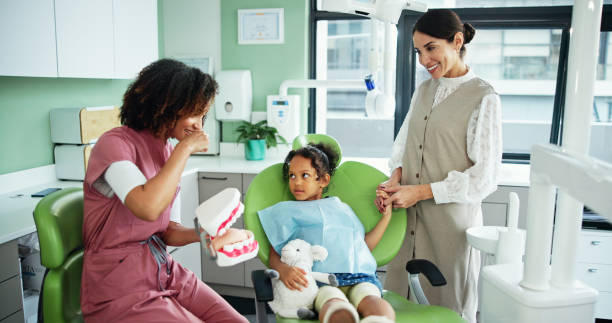

You might be feeling a small knot in your stomach just thinking about the dentist in Homer Glen. Maybe your child clings to you in the waiting room, or you find yourself putting off cleanings because the whole experience feels tense and overwhelming. You know oral health matters, yet every appointment seems to stir up the same worries.end
Family dentists understand this reality. Their work is not only about teeth. It is about people who may be anxious, tired, busy, or afraid of pain. When a family dentist focuses on comfort, the entire visit can shift from something you endure to something you can handle with more ease. In simple terms, the most thoughtful family practices use calming communication, flexible care, gentle techniques, and tailored support to make appointments more comfortable for every age.
So where does that leave you if the dental chair still feels intimidating? The rest of this piece walks through four practical ways modern family dentists reduce stress, what that actually looks like during a visit, and how you can ask for the kind of support you need.
Why do family dental visits feel so stressful in the first place?
For many people, the stress begins long before they sit in the chair. You might replay an old painful experience. You might worry about bad news, cost, or being judged for how long it has been since your last cleaning. If you are bringing children, you also carry their fear on top of your own, which can make even a simple checkup feel exhausting.
Then there is the environment. Bright lights, unfamiliar sounds, instruments near your mouth. If you already feel anxious, every small sensation can feel amplified. Research on patient anxiety backs this up. The American Dental Association has shared practical strategies to ease stress in dental patients, which means your fears are not unusual. They are common enough that the profession trains around them.
Because of this tension, you might wonder if there is any real way to make a dental visit feel less like a test of nerves. That is where a comfort focused family dentist can make a real difference.
How do family dentists change the experience from the moment you walk in?
The first shift happens in how you are welcomed and how your concerns are handled. A thoughtful family dentist will ask about your comfort level, listen without judgment, and explain what will happen before it starts. This sounds simple, yet it changes the tone of the entire visit.
Imagine arriving with a nervous teenager. Instead of rushing you into a room, the team takes a moment. They ask about past experiences. They speak directly to your child in calm, clear words. They explain that nothing will begin until everyone understands the plan. The appointment might be the same cleaning you would get anywhere, but the way it is delivered feels safer.
For children, this might include a quick tour of the room, a chance to touch the mirror or air sprayer, or a gentle demonstration on a stuffed animal first. For adults, it might mean talking through triggers such as needles, sounds, or a strong gag reflex. The dentist then adjusts the visit to lower those stress points.
So what are the specific ways these practices make things more comfortable for you and your family?
What are the 4 key ways family dentists make appointments more comfortable?
Comfortable family dentistry is usually built on four pillars. Communication, environment, pain control, and flexible treatment options. Each one tackles a different part of the anxiety puzzle.
- Calming, clear communication at every step
Uncertainty feeds fear. When you do not know what is happening or why, your mind fills in the gaps with worst case scenarios. A caring family dentist slows things down. They tell you what they are about to do, how it will feel, and how long it will take. They pause to check in and encourage you to ask questions.
For example, if you tense up during cleanings, your dentist might agree on a simple hand signal that means “please stop for a moment.” That small agreement gives you back a sense of control, which can reduce anxiety more than you might expect.
- A softer, more supportive environment for all ages
The physical space matters. Many family practices create quieter, warmer waiting areas, offer distraction such as music, TV, or ceiling art, and use simple comforts like blankets or sunglasses for bright lights. These touches can feel minor, yet they signal that your comfort is a priority, not an afterthought.
For children, this might include kid friendly decor, small toys, or reward tokens after a visit. For older adults, it might mean extra time to move from a wheelchair, or a pillow for neck support. The American Dental Association has written about adapting care to different types of patients, which supports this tailored approach.
- Gentle techniques and thoughtful pain control
Fear of pain is one of the strongest reasons people avoid dental care. A comfort focused family dentist uses modern numbing methods, lighter touch, and slow, careful injections when needed. They wait for anesthesia to work fully before they begin. They also explain what sensations you might feel so you are not surprised.
For nervous patients, even a routine cleaning can feel intense. The hygienist may use hand tools more and power instruments less, take extra breaks, or apply a numbing gel along the gums to reduce sensitivity. Many people find that with these small adjustments, a visit they used to dread becomes much more manageable.
- Sedation and special options for higher anxiety
For some, anxiety runs deeper. Past trauma, medical conditions, strong gag reflex, or complex treatment needs can make standard approaches too hard. In those cases, family dentists may offer different levels of sedation, from mild calming medication to deeper options, following established safety guidelines such as the ADA’s sedation teaching recommendations.
This does not mean sedation is right for everyone. It does mean you have choices. When a dentist takes time to review your health history, explain risks and benefits, and answer your questions, you can make a more confident decision about what level of support you need.
How do comfort focused family dentists compare to a “standard” visit?
You might be wondering how all of this really plays out compared to a more traditional approach. The table below highlights some of the differences you may notice when you choose a practice that focuses on comfort.
| Aspect of the visit | Typical experience | Comfort focused family dentist |
|---|---|---|
| Before the appointment | Basic reminder call or text. Little discussion of fears or needs. | Offers to note anxiety, special needs, or preferences in your chart before you arrive. |
| Check in and waiting | Standard waiting room, limited distraction, unclear wait time. | Calmer space, updates on timing, distraction options for kids and adults. |
| Communication in the chair | Short explanations, clinical terms, you react as things happen. | Plain language, step by step guidance, agreed hand signals, space for questions. |
| Pain and sensitivity | Basic numbing when needed, limited discussion of comfort. | Customized numbing, slower techniques, breaks, and extra care for sensitive areas. |
| Anxiety support | “Try to relax” with little practical help. | Comfort tools, breathing tips, sedation options when appropriate and safe. |
Seeing these differences side by side can help you decide what kind of care you want for your family, and what to ask for during your next appointment.
What can you do right now to make your next family dental visit easier?
You do not have to wait for a perfect situation to start feeling more comfortable. Small, specific actions can change your experience, even at your very next visit.
- Speak openly about your fears before the appointment
When you schedule, say that you are anxious or that your child is fearful. Mention any past bad experiences, strong gag reflex, or trouble getting numb. Ask if the practice is familiar with supporting anxious patients and if they can note this in your file. This one conversation helps the team prepare for you instead of reacting in the moment.
- Ask for a comfort plan at the start of the visit
When you sit down, ask the dentist or hygienist to walk you through what will happen. Agree on a hand signal to pause. Share specific triggers, such as the sound of a drill or pressure on a certain tooth. If you are considering sedation or medication, ask about options, safety checks, and recovery time so you can decide what fits your situation.
- Involve your child or loved one in simple choices
For children and even nervous adults, small choices can lower anxiety. Let them choose music, hold a comfort item, or pick sunglasses. Ask if they want a brief break between steps. When people feel they have some control, they tend to cope better with the parts that cannot be changed.
Moving forward with more confident, comfortable dental care
Dental visits may never become your favorite outing, yet they do not have to feel like a crisis every time. A thoughtful comfortable family dental appointment is built on clear communication, respectful care, and options that honor your limits. When you combine a supportive family dental care team with your own honest questions and preferences, you create a safer experience for yourself and for the people you care about.
You are allowed to ask for comfort. You are allowed to say what you need. The more you do, the closer each appointment moves from something you fear to something you can manage with steady, growing confidence.