

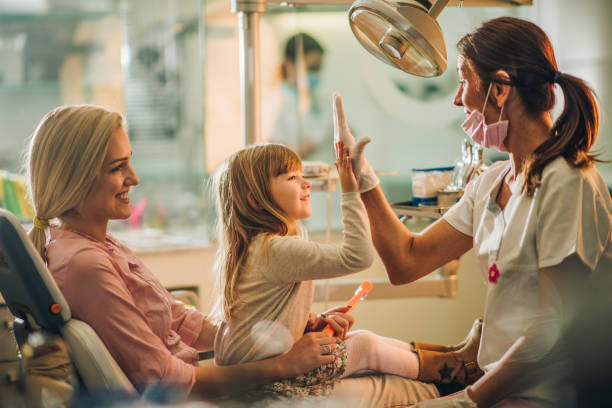

You want your children to grow up strong, confident, and pain-free. Their teeth play a quiet but powerful part in that story. Preventive family dentistry is not just about cleanings. It is about stopping small problems before they spread, guarding your wallet, and protecting your peace of mind. Every skipped checkup can turn into a root canal, a missed school day, or a late night in the emergency room. Regular visits with a trusted family dentist Memphis help you avoid that spiral. You spend a little now to avoid paying a lot later. You also teach your children that their health matters. This simple habit supports clear speech, steady chewing, and calm smiles in photos and job interviews. You cannot control every surprise in life. Yet you can choose steady dental care that shields your family for decades.
How Preventive Care Protects Your Child’s Health
Healthy teeth let your child eat, sleep, and learn without interruption. Small cavities, sore gums, and infections grow fast. They can spread pain through the face and neck. They can also affect speech and sleep.
Routine family visits usually include three steps.
- Cleaning away plaque and tartar that you cannot remove at home
- Checking teeth, gums, and jaw growth
- Applying fluoride or sealants when needed
The Centers for Disease Control and Prevention explains that sealants on permanent molars can cut cavity risk in children by up to half.
When your child sees the same team over time, patterns stand out. Teeth grinding, thumb sucking, or early signs of gum disease do not hide. You get clear answers early. You also get simple steps you can use at home.
Money You Save When You Prevent Problems
Skip preventive care, and you pay more later. That cost is not only money. It is also missed work, missed school, and a long recovery.
Here is a simple comparison of typical costs. These are sample ranges and not a price quote.
| Type of visit or treatment | Purpose | Typical cost range per visit | Time impact
|
|---|---|---|---|
| Routine exam and cleaning | Prevent problems and check growth | $75 to $200 | About 1 hour |
| Fluoride or sealants | Protect at-risk teeth | $30 to $60 per tooth | Added minutes |
| Small filling | Repair early cavity | $150 to $300 | 1 to 2 hours |
| Root canal and crown | Save a badly damaged tooth | $1,000 to $2,500 | 2 or more visits |
| Tooth removal and replacement | Replace lost tooth | $2,000 and higher | Many visits |
Preventive visits cost less than a single dental emergency. They also help you plan. You can spread checkups across the year. You can use insurance benefits before they expire. You avoid surprise bills that hit during holidays or school events.
Why Kids Miss School When Teeth Hurt
Tooth pain pulls a child out of class. It also drains energy and focus. The American Dental Association reports that untreated cavities lead to missed school days and lower grades for many children..
Three things often happen when a child has untreated dental problems.
- They avoid eating and lose weight or energy.
- They wake up at night and stay tired during the day.
- They act out of pain and frustration.
Regular preventive care reduces these crises. A small cavity caught early is quick to treat. Gum swelling seen early is simple to manage. Your child returns to class faster and stays there.
Building Strong Habits That Last For Life
Children copy what they see. When you show up for cleanings and exams on time, you send three strong messages.
- Health matters even when you feel fine.
- Checkups are normal, not scary.
- Problems get attention early, not after they explode.
These messages follow your child into adulthood. They are more likely to brush and floss every day. They are more likely to ask questions and seek help when something feels wrong. That pattern protects them through college, pregnancy, and aging.
Teeth that stay healthy into adult years also lower the risk for other health problems. Gum disease is linked to heart problems and diabetes control. A clean, stable mouth supports a strong body.
How Preventive Dentistry Supports Emotional Wellbeing
Teeth shape the way your child smiles, speaks, and socializes. Broken, stained, or missing teeth can spark shame. Children may hide in photos. They may speak less in class.
Preventive care protects three parts of emotional health.
- Self-respect. A comfortable smile helps your child feel seen and accepted.
- Social ties. Kids with healthy teeth may join sports, clubs, and games with less fear.
- Future chances. A steady smile supports job interviews and first meetings.
You cannot shield your child from every hard moment. You can protect them from many avoidable dental struggles. That gift stays with them when they leave home.
Choosing A Preventive Plan That Works For Your Family
Every family has limits on time and money. A clear plan keeps care steady and realistic.
Use three simple steps.
- Schedule routine visits every six months for each family member.
- Ask your dentist to explain which services truly help your child’s risk level.
- Set a daily routine at home with brushing twice a day and flossing once.
Then talk with your child. Explain what will happen at each visit. Keep the focus on comfort, safety, and strength. Answer questions with calmness and honesty. This reduces fear and builds trust.
The Long Term Return On Your Investment
Preventive family dentistry gives you three steady returns.
- Lower costs over time through fewer emergencies and major treatments
- Stronger health through early detection and clean teeth
- Greater confidence for your child through a steady, pain-free smile
You pay for checkups and cleanings now. In return, you reduce the risk of late-night emergencies, rushed hospital visits, and years of complex work. You protect school days, workdays, and family trips.
Your family deserves calm mornings, restful nights, and easy smiles. Preventive family dentistry is one of the simplest ways to secure that future. Start with the next checkup. Then keep going. Each routine visit is one more step toward a future with fewer surprises and stronger health for the people you love most.