

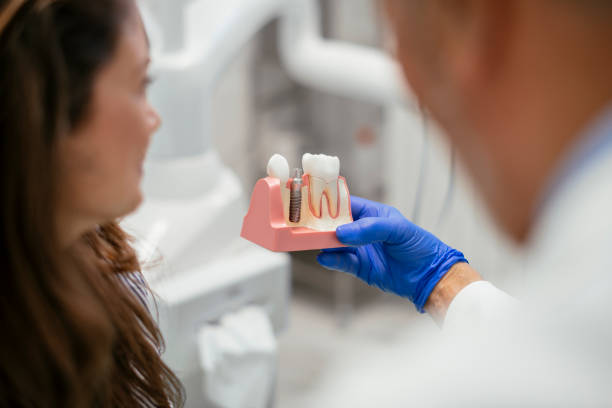

Gum disease does not stay in your mouth. It spreads quite a lot of damage throughout your whole body. Bleeding gums, bad breath, and loose teeth are early warnings. These signs can point to deeper problems with your heart, blood sugar, lungs, and even your mood. You might blame stress or age. Yet your gums may be the real source. This blog explains how swollen gums can affect your heartbeat, your sleep, and your energy. It also shows why early care protects more than your smile. Many people search for fixes like Dental Implants Minneapolis, MN when teeth start to fail. That choice can help. Still, the real goal is to stop the hidden fire in your gums before it harms your health. You deserve clear facts, simple steps, and steady support. You can protect your mouth and protect your body at the same time.
What Gum Disease Really Is
Gum disease starts with plaque. Plaque is a thin film of germs and food on your teeth. If you do not brush and floss, plaque hardens into tartar. Your gums react to this pile of germs. They swell. They bleed. They pull away from your teeth.
There are three common stages.
- Gingivitis. Gums look red and bleed when you brush.
- Early periodontitis. Gums pull back. Small pockets form around teeth.
- Advanced periodontitis. Bone and tissue break down. Teeth loosen or fall out.
The Centers for Disease Control and Prevention reports that nearly half of adults over 30 have some form of gum disease. You are not alone. You can still turn it around.
How Your Gums Affect Your Whole Body
Your mouth links to your blood, lungs, and gut. When gums are sore and infected, germs and toxins can enter your blood. Your immune system stays on high alert. That constant state of alarm wears your body down.
Current research connects gum disease with a higher risk of these problems.
- Heart attack and stroke
- High blood sugar and type 2 diabetes
- Preterm birth and low birth weight
- Chronic lung disease and flare ups
- Joint pain and some forms of arthritis
Your gums act like a front door. If that door is open and sore, trouble can move inside fast.
What the Science Shows
You deserve clear numbers. The table below shares key findings from large studies and federal sources. These links open outside this page.
| Health issue | What research shows | Source
|
|---|---|---|
| Heart disease | Adults with gum disease have higher rates of heart disease compared with adults with healthy gums. | CDC periodontal disease overview |
| Diabetes | Gum disease makes it harder to control blood sugar. Good dental care can improve blood sugar control. | NIDCR diabetes and oral health |
| Pregnancy | Severe gum disease is linked with a higher risk of preterm birth and low birth weight. | NIH oral health and pregnancy reports |
| Tooth loss | Gum disease is the main cause of tooth loss in adults. | CDC oral health data |
These numbers show a clear pattern. Sore gums are not just a mouth problem. They are a whole-body warning.
Warning Signs You Should Not Ignore
Many people think gum disease always hurts. It often does not. That quiet nature makes it more risky. Watch for three common signs.
- Gums that bleed when you brush, floss, or eat
- Gums that look red or puffy or feel tender
- Bad breath that does not clear with brushing
Other signs include loose teeth, a change in your bite, or dentures that no longer fit. Any of these should push you to act fast. Waiting lets the damage spread.
Why Treating Gum Disease Helps Your Overall Wellness
Treating gum disease does more than save teeth. It can calm body-wide strain. When your gums heal, your immune system can rest. Your blood sugar may be easier to steady. Your breath may ease. Your sleep may improve.
Care often happens in three steps.
- Cleaning above and below the gum line to remove plaque and tartar
- Rinses or medicines that reduce germs and swelling
- Follow-up visits to check healing and adjust care
Some people need surgery to restore bone and gum support. Some need tooth replacement. That is where choices like Dental Implants Minneapolis, MN, or similar services in your town may come in. Still, the main target stays the same. You want calm, firm, clean gums that no longer leak germs into your blood.
Daily Habits That Protect Your Gums and Your Health
You can lower your risk with three simple habits.
- Brush twice a day with fluoride toothpaste for two minutes
- Clean between teeth once a day with floss or another tool
- See a dentist or dental hygienist at least once a year
Other steps help too.
- Quit smoking or vaping
- Limit sugary drinks and snacks
- Drink water with fluoride where it is offered
The CDC explains these steps and more on its oral health fast facts page. Small choices each day can prevent years of pain and cost.
When to Seek Help Right Away
Some signs mean you should not wait.
- Gums that bleed every time you brush
- Teeth that feel loose or move when you press them
- Swelling in your face or jaw
- Pus around your teeth or gums
- Pain when you chew
Call a dentist as soon as you notice these signs. If you have chest pain, trouble breathing, slurred speech, or sudden weakness, call emergency services. Those can be signs of a heart attack or stroke. Gum disease may add to that risk. Do not wait and hope it clears.
Taking Control of Your Mouth and Your Health
You deserve a strong body and a steady mind. Healthy gums support both. When you care for your mouth, you lower your risk of heart trouble, blood sugar swings, and lung flare-ups. You protect your ability to eat, speak, and smile.
Start with one step today. Schedule a dental checkup. Add one minute of flossing. Drink water instead of soda at your next meal. Each small act closes that open door between gum disease and silent body damage.
Your gums tell a story about your health. Listen early. Act with purpose. Protect your mouth and your wellness at the same time.