

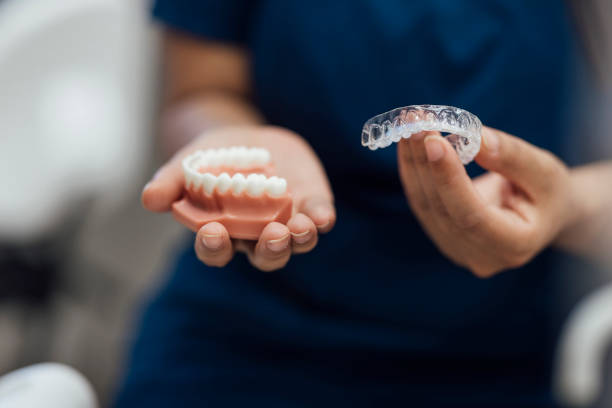

You might be feeling pulled in two directions right now. On one side, you want your child to have a confident smile, maybe even thinking about cosmetic enhancements in the future and wondering whether a dentist in Albany, CA can help. On the other side, you are worried about cavities, habits, cost, and how early choices might affect your child’s teeth long term. It can feel like you are trying to protect their health and their confidence at the same time, and you are not quite sure where to start.end
So where does that leave you as a parent who cares about both appearance and health. The short answer is this. Preventive dentistry for kids is what makes cosmetic options safer, easier, and more natural looking later on. When you protect the foundation, you need fewer “fixes” down the road and you have more choices when the time is right.
This is not about being a “perfect” parent or doing everything at once. It is about understanding how early checkups, home care, and simple preventive steps can spare your child from pain, reduce costs, and keep the door open for cosmetic improvements later if they want them. You are allowed to care about both health and beauty. In fact, the two are more connected than most people realize.
Are Cosmetic Enhancements Enough Without Strong Preventive Care?
Imagine a teenager who feels self conscious about stained or crooked teeth. The family starts asking about whitening or veneers. It sounds like a quick path to a better smile. But then the dentist finds untreated cavities, inflamed gums, and enamel that has already been weakened by years of soda and missed checkups. Suddenly, the cosmetic plan has to stop. The basic health of the mouth is not strong enough to support it.
This is the hidden problem many parents run into. Cosmetic dentistry, whether that is whitening, bonding, veneers, or even clear aligners, depends on healthy teeth and gums. If the foundation is weak, cosmetic work becomes riskier, more expensive, and sometimes impossible. Crowns or veneers on decayed teeth may fail early. Whitening on teeth with thin enamel can cause sensitivity. Orthodontic movement around unhealthy gums can lead to bone loss.
Because of this tension, you might wonder if you should wait to think about appearance until your child is older. The truth is, you are already shaping their future options. Every cavity that is prevented, every baby tooth that is kept healthy until it is ready to fall out, and every habit you build now makes cosmetic improvements easier and safer later.
The American Academy of Pediatric Dentistry recommends regular exams, cleanings, and preventive services on a set schedule for infants, children, and teens. You can see their guidance on the timing of preventive visits and services. This is the roadmap that keeps your options open.
How Early Does Preventive Dentistry Start For Future Cosmetic Goals?
Many parents are surprised to learn that oral health planning can begin before the first tooth shows. During pregnancy and infancy, parents can already lower the risk of early childhood cavities, which are one of the biggest reasons kids later need fillings, crowns, or even extractions on their front teeth. Those early problems can change the shape of the smile for life.
The AAPD has clear recommendations on perinatal and infant oral health care, including when to schedule that first visit and how to manage feeding and cleaning. Following this kind of guidance does more than protect baby teeth. It helps the jaws grow properly, keeps spaces open for adult teeth, and reduces the chance that your child will need emergency cosmetic work after decay or trauma.
Think of it this way. A bright, straight, confident smile in the teenage years usually starts with quiet, simple habits in the toddler years. Wiping the gums. Brushing twice a day with help. Avoiding bottles in bed. Regular checkups. None of these steps feel “cosmetic,” yet they all shape how the adult teeth form, erupt, and wear over time.
If you ever decide to explore cosmetic dental treatment for your child when they are older, a strong preventive history means fewer surprises. Teeth are more likely to be intact, gums more stable, and bone support more secure. That gives any general and cosmetic dentist more room to work safely and conservatively.
Preventive Care Versus Waiting For Cosmetic Fixes Later
When you are tired, busy, or worried about money, it is easy to think, “We can fix it when they are older.” You are not alone in that. Still, there are real differences between investing in prevention now and relying on cosmetic fixes later.
| Approach | Short Term Experience | Long Term Impact | Typical Costs Over Time |
|---|---|---|---|
| Strong preventive dentistry from infancy | More frequent but shorter visits. Focus on cleanings, fluoride, sealants, and education. | Fewer cavities and extractions. Adult teeth erupt in a healthier environment. Cosmetic options stay open. | Smaller, predictable costs spread over many years. Less emergency care. |
| Minimal prevention, focus on cosmetic fixes later | Fewer early visits, but higher risk of sudden pain, infections, or injuries. | More fillings, crowns, or missing teeth. Cosmetic work may need to be more aggressive to “hide” damage. | Larger, unpredictable bills for treatment and cosmetic correction in the teen and adult years. |
| Mixed approach, inconsistent prevention | On and off care. Some checkups missed. Treatment only when there is a visible problem. | Uneven results. Some teeth healthy, others compromised. Cosmetic planning becomes more complex. | Combination of ongoing routine costs plus surprise treatment expenses. |
Many parents discover that when prevention is strong, the need for dramatic cosmetic work later shrinks. Sometimes a teenager only needs whitening or gentle orthodontics to feel good about their smile. When prevention is weak, cosmetic dentistry often has to work harder to cover damage that did not need to happen in the first place.
What Can You Do Right Now To Protect Future Cosmetic Choices?
You do not have to fix everything overnight. You also do not need to know every detail of general and cosmetic dentist services to make good choices today. A few focused steps can move you and your child in the right direction.
- Schedule or restart regular preventive visits
If your child has not seen a dentist in the last six months, begin there. Ask specifically about cavity risk, gum health, and how their growth may affect alignment in the future. Share your concern about both health and appearance so the dentist can explain which preventive steps will protect future cosmetic options. Cleanings, fluoride, sealants, and early orthodontic evaluations all belong in this conversation.
- Tighten up home care in small, realistic ways
You do not need a perfect routine. You do need a consistent one. Aim for brushing twice a day with fluoride toothpaste. For younger kids, you handle the brushing. For older kids, you supervise or “spot check.” Limit constant snacking and sugary drinks, especially in the evening. These small habits protect enamel so that whitening, bonding, or other cosmetic dentistry options are safer and more effective later.
- Think ahead about injuries and sports
Many cosmetic emergencies come from broken front teeth during sports or play. Ask your dentist about a properly fitted mouthguard if your child plays contact sports or activities with a risk of falls. Preventing a chipped or knocked out front tooth today can save your child from needing complex crowns or veneers in their teens. It also protects their confidence during years that are already emotionally sensitive.
Bringing Health And Beauty Together For Your Child’s Smile
You are allowed to want a healthy mouth and a beautiful smile for your child. You do not have to choose one or the other. When you focus on prevention now, you make it easier for any future cosmetic enhancements to be simple, safe, and subtle, rather than urgent and complicated.
Even if you feel behind or guilty about past choices, you can start fresh today. Every checkup, every brushing, every protective step is a quiet investment in your child’s long term comfort and confidence. You are not just avoiding problems. You are protecting their right to choose how their smile looks when they are old enough to decide.
If you are unsure where to begin, start with a preventive visit and an honest conversation with a trusted dentist. Ask how to protect both the health and appearance of your child’s teeth over time. You do not need all the answers. You just need the next step.