

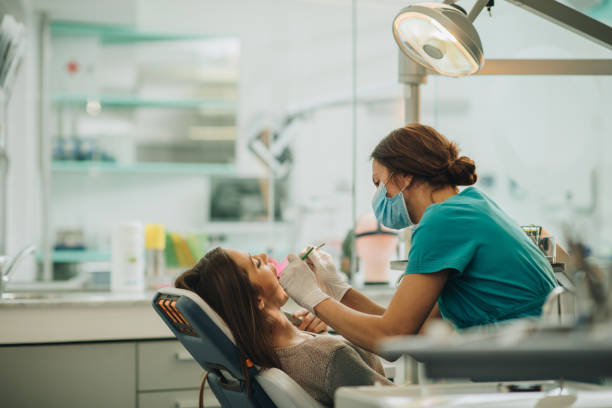

Healthy teeth protect more than a smile. They protect how you eat, speak, sleep, and feel each day. Preventive dentistry keeps problems small or stops them before they start. It also saves money, time, and stress for you and your family. Instead of waiting for pain, you stay ahead of it. Regular cleanings, exams, and simple daily habits lower the risk of cavities, gum infection, and tooth loss. They also support health for your heart, blood sugar, and pregnancy. A trusted dentist in Cumberland ga can guide each family member. Children learn strong habits early. Teens manage braces and sports injuries. Adults and older adults keep their teeth steady through life changes. You do not need complex treatments to protect your mouth. You need steady care, clear steps, and a team that knows your history. Preventive dentistry offers that path for your whole family.
How Your Mouth Connects To Your Health
Your mouth is not separate from the rest of your body. Infection in your gums can spread through your blood. It can strain your heart and raise your risk for stroke. It can also make blood sugar harder to control. The Centers for Disease Control and Prevention explains this link between oral health and long-term disease.
During a routine exam, your dentist checks more than your teeth. The team looks for signs of infection, grinding, dry mouth, and even early signs of oral cancer. Quick action keeps a small change from turning into a crisis.
Why Prevention Starts In Childhood
Tooth decay is common in children. The CDC reports that cavities remain one of the most common chronic conditions in kids. Yet you can prevent most cavities with simple steps.
Key habits for children include three steps.
- Brush twice each day with fluoride toothpaste
- Floss once each day with help as needed
- See a dentist every six months or as advised
Fluoride strengthens tooth enamel. Dental sealants on the back teeth protect the grooves where food sticks. The CDC shows that sealants can cut decay in permanent molars in school-age children.
When you start these steps early, your child grows up seeing dental visits as normal. That lowers fear and missed visits later in life.
Special Needs For Teens And Young Adults
Teen years bring new risks. Sports, sugary drinks, and late nights all affect teeth. Braces and aligners also trap food and increase plaque.
Your dentist can help your teen with three key supports.
- Custom mouthguards for sports
- Cleaning tips for braces and aligners
- Talk about tobacco, vaping, and oral piercings
These talks protect more than teeth. They protect breathing, heart health, and self-image. Early guidance can prevent deep stains, gum disease, and tooth loss later on.
Adults: Protecting Teeth Through Stress And Change
Adults face work stress, long commutes, and changing hormones. Many adults grind their teeth during sleep. Others skip cleanings due to busy schedules. Small bleeding during brushing can be easy to ignore. That bleeding is often the first sign of gum disease.
Gum disease does not always hurt at first. Yet it slowly eats away at the bone that holds your teeth. Preventive care helps you catch it early. Treatment is simpler and less costly in the early stages.
For adults, three steps matter most.
- Regular cleanings to remove hardened plaque
- Checkups to track changes in gums and bone
- Night guards if you grind or clench
Older Adults: Keeping Teeth Strong For Life
As you age, medication use, dry mouth, and health changes can weaken teeth. Missing teeth make it hard to chew healthy food. That can hurt your nutrition and energy.
Your dentist can adjust your care plan as you age. The team can check dentures, bridges, and implants. They can watch for root decay and oral cancer. A steady preventive plan keeps you eating, speaking, and socializing with less fear or shame.
Prevention Versus Treatment: Time And Cost
Preventive visits take little time. They also cost less than fillings, root canals, and extractions. The table below shows a simple comparison. Actual costs vary by location and insurance. The pattern stays the same. Prevention is easier on your wallet and schedule.
| Type of Dental Visit | Typical Frequency | Average Time in Chair | Relative Cost Level
|
|---|---|---|---|
| Routine exam and cleaning | Every 6 to 12 months | 45 to 60 minutes | Low |
| Fluoride treatment or sealants | As advised for kids and teens | 15 to 30 minutes | Low |
| Filling for small cavity | As needed | 45 to 60 minutes | Medium |
| Root canal and crown | As needed | 2 or more visits | High |
| Extraction and replacement tooth | As needed | Several visits over months | Very high |
Regular cleanings and simple home care can prevent many fillings and root canals. You trade a short visit for stronger teeth and fewer emergencies.
Daily Habits That Help Every Family Member
You control much of your oral health at home. Three daily habits stand out.
- Brush twice each day with fluoride toothpaste
- Floss once each day, even if your gums bleed at first
- Limit sugary drinks and snacks between meals
Water with fluoride also protects teeth. Many public water systems add fluoride in safe amounts. The American Dental Association supports this step because it cuts cavities in children and adults.
Building A Long Term Partnership With Your Dentist
Preventive dentistry works best when you stay with a trusted team. A dentist who knows your family history can spot changes fast. The team can tailor advice for pregnancy, diabetes, sports, and aging.
You deserve care that respects your time, budget, and fears. You also deserve clear facts and simple steps. When you keep preventive visits on your calendar and stay honest about your habits, your dentist can guide you toward steady health for your whole family.
Strong teeth support how you eat, speak, and connect with others. Preventive dentistry protects that strength at every age.