

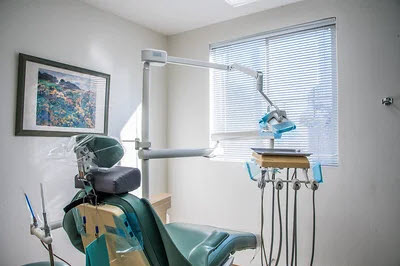

You visit the dentist for relief, not stress. Digital tools now shape almost every step of that visit. You book online. You fill out forms on your phone. You see clear images of your teeth on a screen. You get text reminders before and after your appointment. Each change cuts confusion. It also gives you more control over your care. A family dentist in Tustin, CA can use these tools to explain treatment in plain language. You can see what is happening in your mouth and why it matters. That clarity builds trust. It also reduces fear. Digital x‑rays, 3D scans, and secure messages support faster decisions and fewer surprises. You feel heard. You leave with clear next steps and fewer questions. This shift is not about gadgets. It is about giving you a calmer, safer, more human dental visit.
How digital tools change your first contact
Your experience now starts long before you sit in the chair. You feel that from the first search and the first click.
- Online scheduling lets you pick a time that fits your work and family needs.
- Digital forms cut the stack of paper at the front desk.
- Text and email reminders help you keep track of visits and follow up care.
These steps sound simple. Yet they remove three common problems. You wait less in the lobby. You avoid lost or unreadable forms. You stop missing visits because of a busy week. The result is less tension on the day of your appointment.
Seeing your mouth on screen builds trust
Digital X-rays and photos give you a clear view of your teeth and gums. You no longer guess what the dentist sees. You look at the same image together.
The National Institute of Dental and Craniofacial Research explains how X-rays show decay and bone loss that regular exams can miss. Those images are now sharper and use less radiation than older film methods.
When you see a crack or cavity with your own eyes, you do not feel pushed into treatment. You understand the reason. That shared view can:
- Lower fear about hidden problems.
- Support honest talks about choices.
- Help you plan costs with fewer shocks.
You move from blind trust to informed trust. That shift protects both your health and your wallet.
From one size fits all to personal care
Digital records tie your history, X-rays, photos, and notes into one secure file. That record follows you from visit to visit. It shows patterns that help your dentist spot risk early.
For example, your record can show that a certain tooth has changed across several visits. It can also show that you often cancel when pain flares. With that view, your dentist can adjust your care plan. You might need shorter visits. You might need different options for numbing. You might need more coaching on home care.
Digital tools also help tailor care for children, older adults, and people with medical conditions. A shared record with your doctor can flag medicines that affect your mouth. The U.S. Centers for Disease Control and Prevention lists many medicines that reduce saliva and raise decay risk.
Comparing traditional and digital dental visits
You may wonder what is truly different. The table below compares common parts of a visit.
| Step in your visit | Traditional approach | Digital approach
|
|---|---|---|
| Scheduling | Phone calls during office hours | Online booking any time with instant confirmation |
| Forms | Paper forms in the lobby | Secure forms on your phone or computer before your visit |
| X rays | Film images that need chemical processing | Digital images on screen with lower radiation |
| Treatment planning | Verbal explanation with small mirror | On screen photos and 3D views that you review together |
| Records | Paper charts stored in one office | Electronic records that support secure sharing when needed |
| Follow up | Reminder cards and phone messages | Text alerts, email instructions, and secure messages |
This change is not about replacing people. It is about giving your dental team clear tools so they can focus on you instead of on paper and film.
Reducing pain and fear through clearer planning
Fear often comes from not knowing what will happen next. Digital planning lowers that fear.
With 3D scans, your dentist can plan the exact spot for an implant or other work. You see a simple picture of that plan before any treatment. You can ask direct questions. You can talk through timing and healing. You can weigh other options.
That level of planning often leads to:
- Shorter time in the chair.
- Fewer repeat visits for the same tooth.
- Less chance of sudden problems.
You walk in aware of the steps. You walk out less drained.
Protecting your privacy while staying connected
Many patients worry about who sees their health data. That concern is real. It is also the reason dental offices now use secure systems for records and messages.
Secure portals let you send questions, view X-rays, and download visit notes without a public email. You avoid long phone waits. You also avoid repeating your story with each call. Instead, you keep a written record of advice and next steps.
Privacy laws set strict rules on how your data is stored and shared. You have the right to ask how your dentist protects your record. A confident office will explain its system in plain words.
What this change means for your family
For children, screens can turn a scary visit into a learning moment. A child who sees a picture of clean teeth and brushed gums may try harder at home. A teen who gets a text reminder may show up on time without a parent call.
For adults who juggle work, school, and care for others, digital tools remove small barriers that often lead to skipped visits. When you can book at night, fill forms at home, and get clear summaries by email, you are more likely to keep up with care.
For older adults, digital records help track changes over the years. That history supports safer treatment when medical issues grow more complex.
Taking your next step
You deserve dental care that respects your time, your fear, and your need for clear facts. Digital technology is not a distant trend. It is already shaping how you book, how you see your own teeth, and how you decide on treatment.
When you choose your next dentist, ask three simple questions. Can you schedule and fill out forms online? Can you see your X-rays and photos on a screen during the visit? Can you message the office through a secure portal? Clear yes answers show a practice that uses digital tools to protect your health and your peace of mind.