

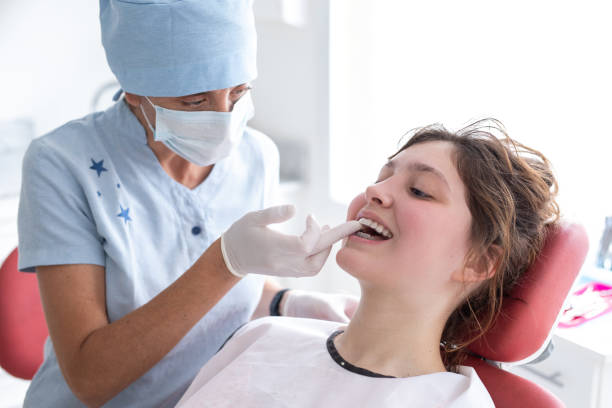

Smiles change as you age. Your teeth and gums carry every year of your life. So your results from cosmetic dental work will never match a teenager on social media. That truth can feel harsh. It also protects you from disappointment and regret. A dentist in Carmel, IN can improve color, shape, and alignment at any age. Yet each stage of life has limits and strengths. Children need protection and guidance. Adults want upgrades that fit work and family. Older adults often need repair and comfort. You deserve clear facts about what is possible, what is safe, and what may cause harm. This blog explains how age affects whitening, veneers, bonding, and other cosmetic choices. It also shows you how to ask better questions, set honest goals, and protect your long term oral health.
How Age Changes Teeth And Gums
Every year leaves a mark on your mouth. You see it in three main ways.
- Color changes from food, drink, and tobacco
- Wear on the biting edges from chewing and grinding
- Gum changes from brushing, health issues, and bone loss
The enamel gets thinner. The darker inner layer shows more. Gums can pull back and uncover root surfaces. These roots stain and hurt more from hot and cold. These changes are normal. They also shape what cosmetic work makes sense for your age.
Cosmetic Goals At Different Ages
Your goals shift as life changes. So should the plan for your smile.
Children And Teens
Young mouths grow and move. Cosmetic work must respect that growth. Focus on three steps.
- Protect teeth from decay and sports injuries
- Guide jaw and tooth growth with early orthodontic care
- Fix chips or stains with small, reversible work
Heavy reshaping or permanent veneers on teens often cause harm later. Many young stains and spots respond to cleaning or simple bonding. Orthodontics can solve crowding and gaps without major drilling. The Centers for Disease Control and Prevention stresses that strong baby and teen teeth support lifelong health. That base matters more than a perfect selfie.
Young Adults
In your twenties and thirties, you often want a brighter, straighter smile for work, dating, and photos. Common safe choices include three things.
- Professional whitening on healthy teeth
- Clear aligners or braces for crowding and bite issues
- Small bonding fixes for chips and minor gaps
Your teeth have strong enamel and stable roots. That gives more options. Still, you need a full exam and X-rays before any cosmetic plan. Hidden decay or gum disease can turn simple work into a long-term problem if ignored.
Middle Age
In your forties and fifties, you may see stains, wear, and past fillings. Your goals often focus on three needs.
- Refresh color without harming thin enamel
- Repair worn edges and broken fillings
- Replace missing teeth for chewing and speech
Treatment can include crowns, veneers, implants, and bridge work. Each option has limits. Crowns and veneers need a strong tooth. Implants need enough bone. Your medical history and medicines matter. For example, dry mouth from blood pressure drugs raises decay risk. Cosmetic work must respect that.
Older Adults
In your sixties and beyond, comfort and function often come first. You may still want a pleasing smile. Yet three questions guide choices.
- Can you chew without pain
- Can you clean your teeth and gums each day
- Does treatment fit your health and energy
Partial dentures, full dentures, or implant-supported dentures can restore chewing. Whitening has less effect on older, restored teeth. Large cosmetic plans may not match your health or budget. Honest talk with your dentist helps you choose work that gives real benefit.
What Different Treatments Can and Cannot Do
Common Cosmetic Options Across Life Stages
| Treatment | Best Ages | Helps With | Limits
|
|---|---|---|---|
| Whitening | Late teens to 60s | Yellow stains from food, drink, tobacco | Weak on gray stains and crowns or fillings |
| Bonding | Teens to 60s | Small chips, gaps, spots | Can stain and chip over time |
| Veneers | 20s to 60s | Shape, color, mild crowding | Need enamel removal and strong gums |
| Crowns | All adults | Broken teeth, large fillings, root canal teeth | Need enough tooth and healthy roots |
| Implants | Late teens with full growth to 70s | Missing teeth | Need surgery, bone, and good health |
| Dentures | Older adults | Many or all missing teeth | Need time to adjust and strong cleaning habits |
Setting Honest Expectations With Your Dentist
Clear expectations prevent regret. Before you agree to cosmetic work, ask three core questions.
- What will this change, and what will stay the same
- How long will the result last if I care for it well
- What happens if it fails or I do not like the look
Request photos of cases close to your age and dental health. Ask for a simple explanation of risks, recovery, and long-term care. The National Institute of Dental and Craniofacial Research offers clear facts on common mouth diseases. Use those facts to judge if your mouth is ready for cosmetic work.
Protecting Your Investment At Every Age
Cosmetic work will not survive poor daily habits. You protect your smile with three basic steps.
- Brush with fluoride toothpaste twice daily
- Clean between teeth every day with floss or another tool
- See your dentist on a regular schedule for cleanings and exams
Limit sugary snacks and drinks. Choose water often. Wear a mouthguard if you grind your teeth at night or play contact sports. Tell your dentist about any new health issues or medicines. Each small step keeps your natural teeth and any cosmetic work strong.
When To Pause Or Avoid Cosmetic Work
Sometimes the kindest choice is to wait. Consider a pause if you have three things.
- Active gum disease or untreated decay
- Unstable health or recent major surgery
- Unclear goals driven by pressure from others
Fix the disease first. Stabilize your health. Then return to cosmetic plans with a clear head and a safer body.
Moving Forward With Confidence
Your smile should fit your age, health, and life story. You deserve honest talk, not false hope. Ask hard questions. Seek care that respects both beauty and health. With clear expectations, cosmetic dentistry can support your comfort, confidence, and daily life at every stage.