

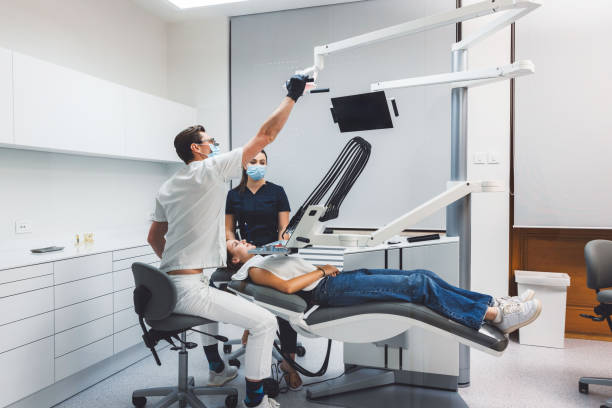

Your mouth often shows warning signs long before you feel pain. Regular checkups with a general dentist let you catch small problems early, when they are easier to treat and less likely to disturb your life. A Sunnyvale dentist checks more than just your teeth. You get a close look at your gums, tongue, jaw, and even signs that point to problems in the rest of your body. Early tooth decay, gum disease, clenching, grinding, and signs of infection can all show up during a simple visit. So can signs of oral cancer and other serious conditions. When you skip routine care, these quiet signals grow louder. They can turn into tooth loss, deep infection, and costly treatment. This guide explains how general dentistry acts like an early warning system, what your dentist looks for, and how you can use each visit to protect your health.
Why early dental checks matter for you and your family
You often wait for pain before you act. That habit hurts your mouth. Tooth and gum problems grow in stages. At first they stay on the surface. Then they move deeper. By the time you feel pain, the damage is larger and treatment is harder.
Regular visits stop that cycle. You give your dentist a clear timeline of changes in your mouth. The dentist can notice small shifts in color, shape, or bite that you may never see in the mirror. Children, teens, adults, and older adults all gain from this simple habit.
The goal is simple. Catch problems when they are small. Fix them before they spread. Protect your eating, your sleep, and your confidence.
What your dentist checks at every routine visit
A general dental visit does much more than “clean teeth.” Each step looks for early warning signs.
- Medical and dental history review. You share new medicines, health changes, or habits like smoking or vaping.
- Visual exam of teeth and gums. The dentist checks for spots, cracks, swelling, and bleeding.
- Gum depth measurements. A small tool checks the space between teeth and gums. Deeper pockets often mean early gum disease.
- Bite and jaw check. The dentist looks for wear that shows clenching or grinding.
- Soft tissue exam. Tongue, cheeks, lips, and throat are checked for sores or color changes.
- Cleaning. Plaque and tartar are removed so the dentist can see the true condition of each tooth.
- X rays when needed. Images show what the eye cannot see, like cavities between teeth or bone loss.
This routine can feel simple. Yet each step can reveal a hidden problem before it turns severe.
Common problems caught early in general dentistry
Many serious mouth problems start small. A general dentist can find these early.
- Tooth decay. Small cavities often cause no pain. The dentist can spot faint white or brown spots that show early decay and treat them before they reach the nerve.
- Gum disease. Red, swollen, or bleeding gums are early warning signs. With cleaning and home care, you can reverse early gum disease.
- Cracks and worn teeth. Tiny cracks or flat chewing surfaces can show grinding at night. Mouth guards and habit changes protect the teeth.
- Oral cancer. Sores that do not heal, patches of red or white, or lumps in the mouth or neck can be early signs. Early cancer treatment gives a stronger chance of recovery.
- Infections and abscesses. A small pimple on the gum or a deep cavity can point to infection. Quick treatment stops spread.
The Centers for Disease Control and Prevention explains how common tooth decay and gum disease are in the United States. You can see current data on oral health in children and adults at CDC Oral Health Fast Facts. The numbers are high. Early checks help you avoid becoming one of those numbers.
How often you and your children should visit
The right schedule depends on your health, your habits, and your risk for decay or gum disease. Many people do well with a visit every six months. Some need care more often.
Children need checks as soon as the first tooth comes in or by the first birthday. Early visits teach parents how to clean small teeth and spot early problems.
Adults with a history of decay, gum disease, smoking, diabetes, or dry mouth may need more frequent cleanings. Older adults with many fillings, crowns, or partial dentures also face higher risk.
The American Dental Association offers guidance on visit frequency at ADA recommendations for periodic oral evaluations. You and your dentist can use this information to plan a schedule that fits your mouth.
What happens when you wait too long
Skipping visits feels harmless at first. The harm often appears later and hits hard.
- A small cavity turns into a deep one that needs a root canal or removal.
- Gum inflammation turns into bone loss and loose teeth.
- Mild grinding turns into cracked teeth and jaw pain.
- A tiny sore that could have been checked early turns into a serious disease.
The cost grows with the damage. You spend more time in the chair. You may miss work or school. You may struggle to eat, speak, or smile with ease. Early general dentistry is not only about clean teeth. It protects your daily life.
Early care versus late care
The table below shows how early detection compares with late detection for common problems.
| Condition | Found early at routine visit | Found late after pain starts
|
|---|---|---|
| Tooth decay | Small filling. Short visit. Lower cost. | Root canal or removal. Crown or bridge. Higher cost and more visits. |
| Gum disease | Improved brushing and flossing. Cleaning above and below gumline. | Bone loss. Loose teeth. Possible surgery and tooth loss. |
| Grinding or clenching | Night guard. Habit coaching. Limited wear on teeth. | Cracked teeth. Jaw pain. Restorations or bite changes. |
| Oral cancer | Small lesion found early. Higher chance of cure. | Larger tumor. Harder treatment. Higher risk of spread. |
| Infection | Simple treatment and antibiotics when needed. | Facial swelling. Emergency visit. Hospital care in severe cases. |
How you can make the most of each visit
You play a strong role in early detection. You can use three simple steps at every visit.
- Prepare. Write down any pain, sensitivity, sores, or habits you notice. Bring your medicine list.
- Ask. Request a clear review of your exam. Ask what the dentist sees on your teeth, gums, and X rays.
- Plan. Leave with a written plan. It should include needed treatment, home care tips, and your next visit date.
You can also watch your mouth at home. Look for bleeding when you brush, sores that last more than two weeks, or new lumps. Call your dentist if you see changes.
Protecting your future health starts now
Your mouth holds clues about your whole body. General dentistry turns those clues into action. Regular visits catch small problems before they grow. You save teeth. You lower pain. You protect your ability to eat, speak, and smile with strength.
You do not need to wait for pain. You only need to take the next step. Call your dentist. Set your next checkup. Give yourself and your family a safer path forward.