

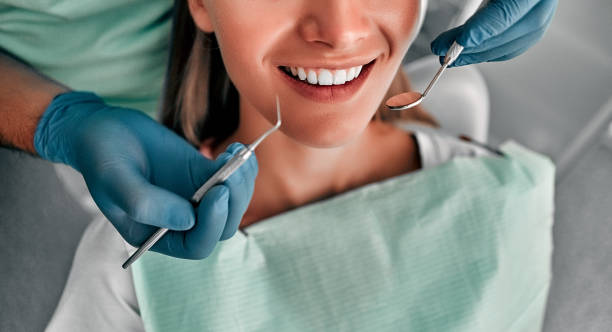

Teen orthodontic treatment can feel like a storm for you and your child. Braces change routines, eating habits, and confidence. A trusted family dentist helps steady that storm. A Silver Spring, MD dentist knows your teen’s mouth, history, and fears. That history shapes a clear plan before, during, and after orthodontic care. You get honest answers. Your teen gets steady support. Together, you track tooth movement, gum health, and jaw growth. You hear what to expect at each stage. You learn what pain is normal and what signals a problem. Regular checkups protect teeth from decay around brackets. Careful cleanings stop stains and bad breath. Early talks about retainers prevent relapse after braces come off. You do not walk this path alone. Your family dentist guides each step so your teen finishes treatment with a stronger smile and a calmer mind.
How Family Dentists Prepare Teens Before Braces
Strong planning keeps treatment on track. Your family dentist looks at three key pieces.
- Current tooth and gum health
- Jaw growth and bite pattern
- Daily habits like brushing and snacking
First, your dentist checks for cavities, gum swelling, or infection. Any decay gets treated before brackets go on. This prevents more serious damage that can hide under wires.
Next, your dentist reviews X-rays and past visits. You hear that crowding, grinding, or mouth breathing might affect braces. You also hear that early wisdom tooth growth could push teeth later.
Finally, you and your teen practice strong brushing and flossing. Your dentist may suggest fluoride toothpaste or mouth rinse. The Centers for Disease Control and Prevention explains that fluoride protects against cavities, which rcan developduring braces if cleaning is weak.
Working As a Team With the Orthodontist
Your family dentist and orthodontist play different roles. You need both. Clear communication between them protects your teen’s mouth through every phase.
Roles of Family Dentist and Orthodontist During Teen Treatment
| Step | Family Dentist | Orthodontist
|
|---|---|---|
| Before braces | Checks cavities and gum health. Cleans teeth. Reviews history. | Plans tooth movement. Chooses braces or aligners. |
| During braces | Performs cleanings. Monitors enamel, gums, and jaw comfort. | Adjusts wires. Tracks alignment progress. |
| Emergencies | Assesses pain, infection, or broken teeth. | Repairs brackets or wires if needed. |
| After braces | Checks for white spots, wear, or shifting. | Provides and adjusts retainers. |
Your dentist shares X-rays and notes with the orthodontist. You receive one clear message, not mixed advice. That reduces confusion and stress for your teen.
Protecting Teeth and Gums During Treatment
Braces trap food. That raises the risk of cavities and gum swelling. Your family dentist focuses on three protective steps.
- Regular cleanings
- Coaching on home care
- Early response to warning signs
Routine visits every three to four months help remove plaque around brackets. Your dentist may paint a fluoride varnish on your teeth. The National Institute of Dental and Craniofacial Research notes that fluoride helps harden enamel and cut decay.
Your teen also practices brushing above and below each bracket. Your dentist may suggest special floss threaders or tiny brushes. Clear, simple steps feel less overwhelming for a busy teen.
When you notice bleeding gums, new bad breath, or white chalky spots, your dentist reacts early. You hear that changes in brushing, diet, or visit frequency can reverse the damage.
Handling Pain, Fear, and Setbacks
Braces bring soreness and worry. A family dentist who knows your teen’s personality can calm strong emotions.
You learn three pain signals.
- Normal soreness after new wires
- Soft tissue rubbing from brackets
- Sharp or throbbing pain that may mean infection
Your dentist explains simple comfort steps. These include saltwater rinses, soft foods, and wax over sharp edges. You also get clear guidance on when to call right away.
Fear of teasing or speech changes can hit hard. Your dentist talks directly to your teen in plain language. You both hear how long a lisp might last. You hear how most classmates stop noticing braces after a short time. Honest talk restores courage.
Nutrition and Daily Habits That Keep Braces Safe
Food choices affect treatment length. Your dentist gives firm but simple rules that teens can follow.
- Avoid hard candy, ice, and popcorn kernels
- Cut raw apples and carrots into small pieces
- Limit sugary drinks and sticky sweets
Broken brackets slow progress and add visits. Clear reasons help teens care. You can say, “This snack might add months to braces.” That message often sticks.
Habits like nail biting, chewing pens, or clenching also strain teeth. Your dentist points out which habits your teen shows during checkups. Together you plan small changes, like using stress balls or mouth guards.
Life After Braces: Keeping the Result
When braces come off, your teen may expect the journey to end. Your family dentist explains that this is a turning point, not a finish line. Teeth can still shift, especially in the first year.
You hear three key goals.
- Wear retainers as directed
- Protect enamel from old plaque spots
- Watch for slow changes in bite or jaw comfort
Your dentist checks retainer fit and cleanliness. You learn how to clean retainers so they do not smell or stain. You also hear when to call if a retainer cracks or feels tight.
Old white spots from braces may fade with strong home care. In some cases, your dentist may suggest gentle polishing or other treatments. The focus stays on health first, looks second.
How You and Your Teen Stay In Control
Orthodontic treatment can overwhelm any family. A strong relationship with your family dentist gives you control again.
- You know what will happen next
- Your teen feels heard and respected
- Problems get caught early and handled fast
With clear support, braces become a managed challenge instead of a constant crisis. You and your teen move through each stage with fewer surprises, stronger habits, and a smile that lasts.