

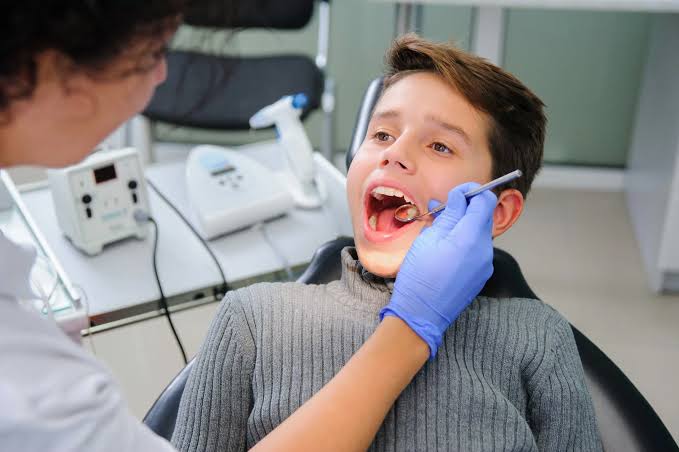

You may have noticed the spit up, the sour breath, the coughing at night, or the way your child says their mouth feels “funny,” and now there is one more worry on your list. Their teeth. That stress makes sense. Reflux is usually talked about as a stomach or feeding issue, but stomach acid does not stay neatly in one place. When it reaches the mouth again and again, it can wear away enamel on both baby teeth and adult teeth. The short version is simple. Acid reflux can soften and dissolve the outer layer of teeth, and a children’s dentist in Riverside, CA can help spot the damage early and protect what is still healthy.
Acid reflux can wear down enamel long before a cavity shows up
Enamel is the hard outer shell of a tooth. It protects the softer layers underneath. Once enamel is lost, the body does not grow it back. That is why reflux matters so much in children. Stomach acid is far more acidic than the mouth is designed to handle. When that acid comes up often, even in small amounts, it can slowly erode tooth surfaces.
In babies, reflux is common. The National Institute of Diabetes and Digestive and Kidney Diseases explains that acid reflux in infants often happens because the digestive system is still developing. Many babies outgrow it. Some do not, and some have reflux severe enough to affect feeding, sleep, and oral health.
Children and teens can also deal with ongoing reflux. According to the NIDDK, GER and GERD in children can continue past infancy and show up as vomiting, chest discomfort, bad breath, trouble swallowing, or a chronic cough. If acid reaches the mouth often, teeth are part of the story whether anyone realizes it at first or not.
The tricky part is that enamel erosion does not always look dramatic in the beginning. Your child may not have a visible hole or dark spot. Instead, the teeth may look smoother, more shiny, slightly yellow, or thinner at the edges. They may complain that cold foods sting. Brushing might suddenly hurt. You can be doing everything “right” at home and still see changes because the source is internal acid, not just sugar or missed brushing.
Baby teeth and permanent teeth are both at risk from dental erosion
Parents sometimes hear that baby teeth are temporary, so damage feels less urgent. In real life, worn baby teeth can still cause pain, sensitivity, chewing problems, and early tooth loss. That can affect speech and the spacing needed for permanent teeth to come in the right way. A child who avoids eating because their teeth hurt can end up dealing with nutrition issues too.
Permanent teeth bring a different concern. They need to last for decades. When reflux starts eroding enamel early, the damage can follow a child into adolescence and adulthood. The American Dental Association notes that dental erosion can lead to sensitivity, discoloration, rounded teeth, and changes in the way teeth fit together. That means reflux is not just a stomach issue. It can become a long term dental issue.
This is where many families feel frustrated. A child may not eat much candy, may brush twice a day, and may still end up with enamel loss. That disconnect is upsetting because it feels unfair. It also delays answers. If no one connects reflux with the mouth, treatment can focus only on cavities while the acid keeps doing damage in the background.
Reflux-related enamel erosion often looks different from tooth decay
Cavities and erosion are not the same. Tooth decay usually involves bacteria feeding on sugars and creating acids on specific spots. Erosion from reflux comes from stomach acid contacting the teeth directly. The pattern can be broader and often affects smooth surfaces or the inside surfaces of teeth, especially if acid reaches the mouth during sleep.
| Issue | Reflux Related Enamel Erosion | Typical Tooth Decay |
| Main cause | Stomach acid reaching the mouth | Bacteria plus sugars and starches |
| Early signs | Smooth, shiny, thinning enamel, sensitivity | White spots, dark spots, pits, localized softness |
| Common pattern | Broader wear across surfaces | Specific areas where plaque collects |
| Can brushing alone stop it | No, the reflux trigger also needs attention | Better hygiene and diet can help reduce risk |
| Why early care matters | Lost enamel does not grow back | Small decay can become larger cavities |
A pediatric dentist for enamel erosion can often tell the difference between these patterns and decide whether your child also needs support from their pediatrician or a gastroenterology specialist. That kind of coordination matters because repairing teeth without managing reflux can turn into a repeating cycle.
The daily habits around reflux can either protect teeth or make damage worse
Timing matters. If your child vomits or has reflux episodes, brushing right away can scrub softened enamel and wear it down faster. Sipping water afterward can help rinse the mouth. In some cases, a dentist may suggest waiting about 30 minutes before brushing, depending on age and habits. Nighttime reflux can be especially hard on teeth because saliva drops during sleep, and saliva is one of the mouth’s natural defenses against acid.
Drinks and snacks can add to the problem. Juice, sports drinks, soda, sour candies, and frequent snacking all expose teeth to more acid or sugar. When a child already has reflux, those extra hits can speed up enamel loss. That does not mean every food needs to become a battle. It means the mouth needs fewer acid attacks and better recovery time between them.
Pediatric dental care can catch enamel loss early and lower future damage
Why reflux affects teeth comes down to repeated acid exposure, but what happens next depends on how early it is found. A pediatric dentist may recommend fluoride treatments, protective products, sealants in some cases, monitoring with photos or exams, and changes to home care that fit your child’s age. If the enamel loss is advanced, restorations may be needed to protect the tooth and reduce pain.
Early care also saves money and stress. Minor erosion is easier to manage than severe wear that leads to fractures, nerve irritation, or larger dental work later. If your child has a history of reflux, frequent vomiting, chronic regurgitation, or unexplained tooth sensitivity, it is worth mentioning all of it at the dental visit. That full picture helps the dentist connect symptoms that might otherwise seem unrelated.
Three steps you can take right away
Track the pattern. Write down when reflux happens, whether it is worse at night, and any signs like bad breath, tooth sensitivity, or avoiding certain foods. Bring that record to medical and dental visits.
Protect enamel after episodes. Have your child rinse with water after spit up or reflux when possible. Avoid brushing immediately after acid exposure unless your dentist gives different guidance for your child.
Schedule a pediatric dentist visit. Ask specifically about erosion, sensitivity, and whether the wear pattern could be linked to reflux. That direct question can speed up answers and treatment.
If your child has reflux and you are worried about their teeth, you are not overreacting. This connection is real, and catching it early can spare your child pain and protect both baby and permanent teeth. Reach out to a pediatric dentist for an evaluation and a plan that supports your child’s comfort, health, and smile.