

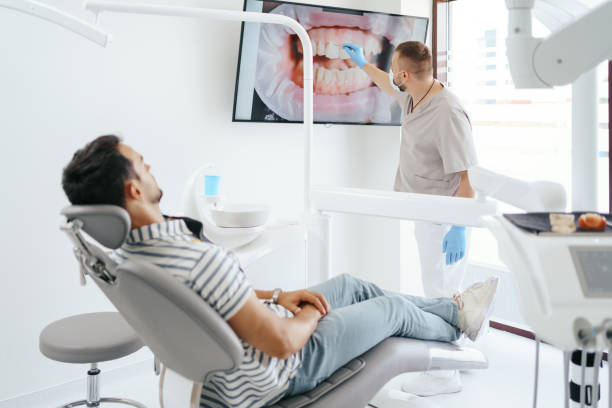

You might be feeling a mix of worry and guilt every time you think about the dentist in Pekin, IL. Maybe you have not been in a while, or you had a rough experience years ago, or you are confused by what is truly necessary and what might just be “extra.” You are not alone. Many people carry old stories about general dentistry that no longer match how modern care actually works.end
Because of that, you might delay visits, put off needed treatment, or hope that brushing a little harder will somehow fix everything. At the same time, you probably know that avoiding care will only make things harder and more expensive later. That tension is exhausting.
Here is the simple truth. Modern general dentistry services are far more patient focused, prevention based, and science driven than most people realize. The big misconceptions usually fall into three areas. Fear of pain, fear of cost, and confusion about what a dentist really does for your overall health. Once you sort those out, it becomes much easier to make calm, confident decisions about your mouth and your body.
Misconception 1: “General dentistry is mostly about drilling and filling, and it will hurt.”
For many people, the story starts with a childhood memory. A bright light in your eyes, the sound of a drill, a quick shot, and being told to “hold still.” If that is your picture of the dentist, of course you hesitate. Pain and loss of control are two powerful reasons to stay away.
The problem is that this old story is only part of what dentistry used to be, and it does not reflect what modern general dentists are trained to do today. Schools that teach general dentists, such as the University of Maryland advanced general dentistry program, focus heavily on prevention, comfort, and patient communication. That means fewer emergencies and far fewer painful surprises when you stay on track with care.
So what actually changed
Modern general dentistry uses local anesthetics that work more predictably, with far better numbing and far less lingering discomfort. Many offices use quieter equipment, offer noise canceling headphones, and give you clear choices about breaks and pacing. For anxious patients, there are options like nitrous oxide or oral medication when appropriate, which can turn a frightening appointment into something surprisingly manageable.
Most important, the goal is to prevent drilling in the first place. Regular exams, cleanings, and early treatment of small issues mean fewer large fillings, fewer root canals, and fewer extractions. When care is proactive, the “drill and fill” part of dentistry becomes a smaller and smaller piece of your story.
So where does that leave you if you are still scared of pain or loss of control
You can start by talking openly with a general dentist about what worries you. A good clinician will explain each step, agree on a signal if you want a pause, and build a plan that respects your comfort. You are not being “difficult.” You are asking for care that fits you, which is exactly what modern dentistry is meant to provide.
Misconception 2: “Seeing a general dentist regularly is too expensive, so I will wait until something really hurts.”
Money anxiety is real. You might be watching every bill already, so the idea of paying for a visit when you are not in pain can feel unnecessary or even irresponsible. Many people wait until they cannot chew on one side, or until a tooth breaks, because they think that is the most “efficient” way to use their dental budget.
The hard truth is that this approach almost always costs more. A small cavity caught early may need only a conservative filling. Left alone, that same tooth can progress to nerve damage, infection, and eventually a root canal or extraction with a crown or implant. That moves you from a modest fee to a major treatment plan.
Research on oral health and chronic disease shows that untreated dental problems can add to the overall burden on your body and your wallet. The U.S. Surgeon General’s report on oral health points out that poor oral health is linked with worse outcomes in conditions like diabetes and heart disease. When your mouth is not healthy, everything else has to work harder.
A better way to look at cost is to ask, “What will it cost me to ignore this” Routine general dentistry is an investment that usually prevents far more expensive and disruptive problems later. Many offices also offer payment options, membership plans, or phased treatment so you can spread costs out and avoid crisis spending.
If you feel embarrassed about finances, remember this. A good general dentist understands that money is part of the picture. You are allowed to ask for options. You are allowed to say, “What is the most important thing to handle first” and build from there.
Misconception 3: “My teeth are separate from my overall health, so general dentistry is mostly cosmetic.”
It is easy to think of the mouth as a separate zone. Teeth are for chewing and smiling. The doctor handles your “real” health, and the dentist is there mainly for cavities and looks. Many people only connect with dentistry when they want whitening, straighter teeth, or to fix a chipped front tooth before a big event.
Modern science tells a very different story. Your mouth is deeply connected to the rest of your body. Gum disease has been linked to higher risk of heart problems, poor blood sugar control in diabetes, and issues in pregnancy. Chronic inflammation in your gums is not just a local problem. It affects your whole system.
Nutrition plays a role here as well. The Harvard T.H. Chan School of Public Health explains how oral health and diet are tightly connected. If your teeth hurt or you are missing several, you are more likely to avoid healthy, crunchy foods like raw vegetables and nuts. That can push you toward softer, more processed foods that do not support long term health. Over time, this cycle affects weight, blood sugar, and energy.
This is why modern general dental care is not just about a nice smile. It is about keeping infection, pain, and inflammation under control so your body can thrive. When you see a general dentist, you are protecting your ability to eat well, speak clearly, sleep comfortably, and stay socially confident. Those are not cosmetic benefits. Those are quality of life benefits.
How do routine checkups compare with “wait until it hurts” care
Sometimes it helps to see the difference in simple terms. The table below compares two common paths people take with their oral health.
| Approach | What It Looks Like In Real Life | Likely Outcome Over 5 Years | Cost Pattern |
|---|---|---|---|
| Regular general dentist visits | Checkups and cleanings every 6 to 12 months. X rays as advised. Small issues treated early. | Fewer emergencies. Smaller fillings. Lower risk of gum disease and tooth loss. | Predictable, smaller costs spread over time. Lower chance of large surprise bills. |
| “Only when it hurts” care | No routine visits. Call only for pain, swelling, or broken teeth. | More urgent visits. Higher chance of root canals, extractions, and missing teeth. | Irregular, larger bills during crises. Higher long term spending in many cases. |
Looking at it this way, preventive general dentist care is less about perfection and more about staying stable. You are buying fewer bad surprises, not buying a flawless smile.
Three steps you can take right now to feel more in control
- Name your top concern before you schedule.
Before you contact any office, take a moment to write down the single biggest thing that keeps you from going. Is it fear of pain Is it cost Is it embarrassment about how long it has been or how your teeth look Once you can name it, you can say it out loud to the dental team. A simple sentence like, “My biggest worry is cost” or “I am really anxious about pain” gives them a clear starting point to support you.
- Start with a conversation, not a commitment.
You do not have to agree to major treatment on day one. You can schedule a new patient exam and say, “I want to understand my options and the timing before I decide anything.” Ask the dentist to walk you through urgent needs, medium term issues, and long term goals. Request a written plan with costs. When you know what is truly urgent and what can wait, you regain a sense of control.
- Focus on small daily habits that support your next visit.
Even before you see a dentist, you can make changes that protect your mouth. Brush gently with fluoride toothpaste twice a day. Clean between your teeth once a day with floss or another tool you can use consistently. Drink water instead of sugary drinks most of the time. These simple habits reduce plaque and inflammation, so your first or next visit is calmer, quicker, and less likely to uncover major surprises.
Where do you go from here
If you have been carrying fear, shame, or confusion about general dentistry, you have good reasons. Those feelings often come from real experiences and real worries. At the same time, modern dental care offers far more comfort, flexibility, and health benefits than many people realize.
You do not need to fix everything at once. You only need to take the next small step that moves you away from crisis care and toward steady, manageable support. That step might be making a list of questions. It might be calling an office just to ask about new patient visits. It might be putting a reminder on your calendar to explore your options tomorrow when your mind is a bit clearer.
Your mouth is part of you, not separate from you. When you care for it with the help of a thoughtful general dentist, you are not being “picky” or “vain.” You are protecting your comfort, your confidence, and your long term health, one choice at a time.