

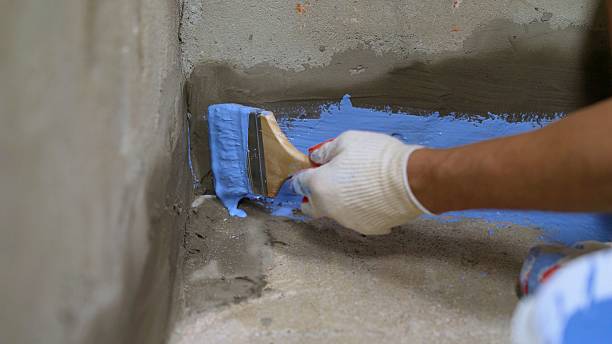

A leaking basement is one of the most frustrating problems a homeowner can face. Sometimes the signs are obvious, such as puddles on the floor after heavy rain. Other times, the problem appears slowly through musty odors, damp walls, peeling paint, water stains, or mold growth.
In Boston and surrounding areas, basement leaks are common because of older foundations, heavy rain, snowmelt, poor drainage, and freeze-thaw weather. Whether a home is located in Boston, Cambridge, Brookline, Newton, Waltham, Dedham, Canton, West Roxbury, Quincy, or Somerville, water around the foundation should never be ignored.
Understanding the causes of basement leaks can help homeowners choose the right repair solution. Professional basement leak repair Boston and wet basement repair Boston services can protect the home from moisture damage, structural problems, and mold.
Poor Exterior Drainage
One of the most common causes of basement leaks is poor drainage around the home. Water should always move away from the foundation. If the soil slopes toward the home, rainwater collects near basement walls and creates pressure.
Over time, this pressure can push water through cracks, joints, or porous foundation materials. Poor drainage may also cause water to enter around basement windows, doors, steps, or foundation gaps.
Improving grading, extending downspouts, cleaning gutters, and installing drainage systems can help reduce water near the foundation.
Clogged or Short Downspouts
Gutters and downspouts are designed to move roof water away from the home. When gutters are clogged with leaves, dirt, or debris, water can overflow and fall directly near the foundation.
Short downspouts can also create problems because they discharge water too close to the basement wall. During heavy rain, hundreds of gallons of water can collect around the foundation.
A simple downspout extension may help, but homes with repeated water problems may need more advanced drainage solutions.
Foundation Cracks
Foundation cracks are another common source of basement leaks. Cracks may form because of settling, soil pressure, age, poor construction, or freeze-thaw movement.
Some cracks are small and only allow minor seepage. Others can widen over time and allow significant water entry. Cracks in poured concrete, block, brick, or stone foundations should be inspected by a professional.
Foundation crack repair may involve sealing, injection, masonry repair, repointing, waterproofing, or drainage improvements depending on the cause.
Deteriorated Mortar Joints
Many older Boston homes have stone, brick, or block foundation walls. These walls rely on mortar joints to stay sealed and stable. Over time, mortar can crack, crumble, or fall out.
When mortar joints open up, water can seep through the foundation and into the basement. This is especially common in older homes with stone foundations.
Repointing and mortar repair can help restore the foundation wall and reduce water entry. In some cases, mortar repair should be combined with basement waterproofing for a long-term solution.
Hydrostatic Pressure
Hydrostatic pressure happens when water builds up in the soil around the foundation. This pressure pushes against basement walls and floors. If the pressure becomes strong enough, water can enter through cracks, joints, or the wall-floor connection.
This is a major cause of basement leaks during storms or snowmelt. Homes with poor drainage, clay soil, or high groundwater may experience frequent hydrostatic pressure.
French drains and sump pumps are commonly used to manage this problem.
Window Well Leaks
Basement windows and window wells can also leak. If window wells fill with water, moisture can enter around the window frame. Poorly sealed windows, clogged drains, or low-quality covers can make the issue worse.
Window well drainage should be checked if water appears below basement windows. A contractor may recommend sealing, drainage improvements, window well covers, or foundation repairs.
Floor-Wall Joint Seepage
Water often enters basements where the floor meets the wall. This area is naturally vulnerable because it is a joint between two surfaces. When groundwater pressure increases, water can seep through this joint.
Interior French drains are often used to collect water from this area and direct it to a sump pump. This helps prevent water from spreading across the basement floor.
Cracked or Damaged Exterior Masonry
Exterior masonry damage can contribute to basement leaks. Cracked brick, damaged steps, open mortar joints, and gaps near the foundation can all allow water to move toward the basement.
For example, damaged front steps may direct water toward the foundation wall. Cracked brick near grade level may allow moisture to enter. A leaning retaining wall may affect drainage patterns.
Masonry repair can help reduce these water entry points.
Sump Pump Failure
Some homes already have sump pumps, but leaks still happen when the pump fails. A sump pump may stop working because of power loss, clogged parts, old age, poor installation, or a stuck float switch.
If the basement depends on a sump pump, regular maintenance is important. A battery backup system can also protect the basement during power outages.
Why Basement Leaks Should Be Fixed Early
Basement leaks can lead to more than surface damage. Moisture can cause mold, mildew, wood rot, damaged insulation, ruined flooring, and foundation deterioration. It can also make the basement uncomfortable and unhealthy.
Small leaks usually become worse over time if the cause is not fixed. Early repair is almost always less expensive than waiting until water damage spreads.
Final Thoughts
Basement leaks in Boston homes are often caused by poor drainage, foundation cracks, damaged mortar, hydrostatic pressure, sump pump failure, and exterior masonry problems. Since every home is different, the right solution depends on the source of the water.
iFix Masonry provides basement leak repair, basement waterproofing, French drain installation, sump pump installation, foundation masonry repair, mortar repair, and exterior masonry services throughout Boston, MA and surrounding areas.