

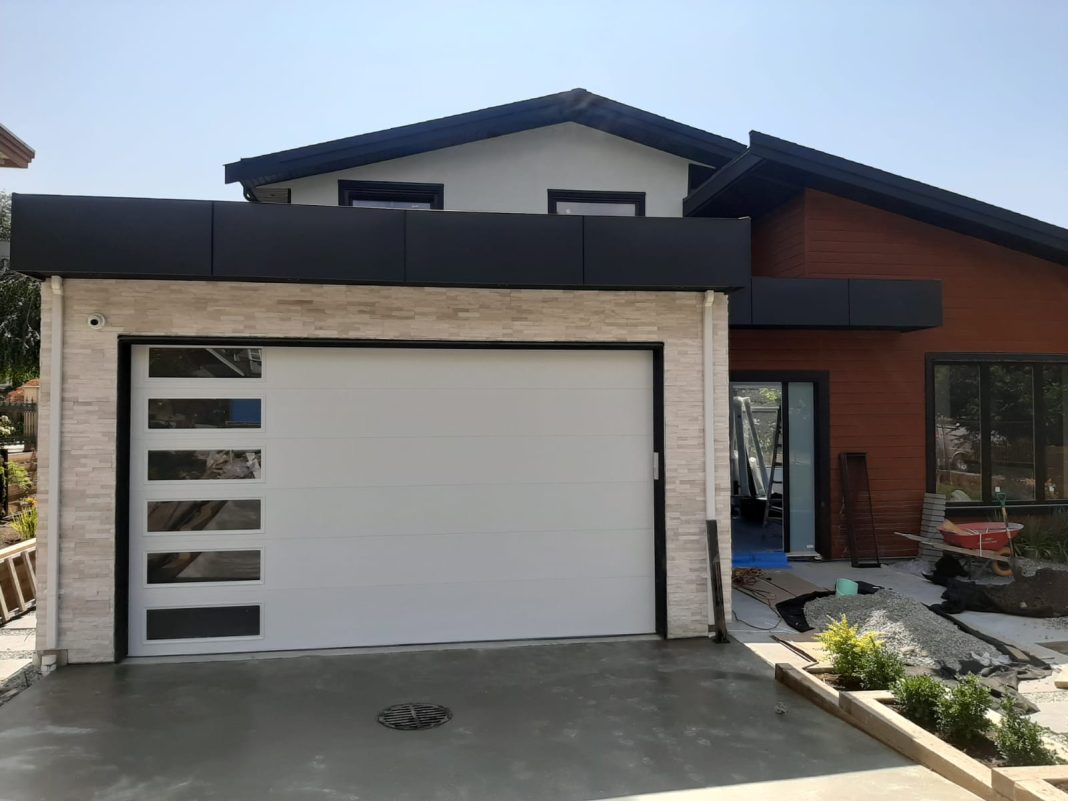

For most homeowners, the garage door is the largest moving component of the house. It serves as a primary entryway, a security barrier, and a significant factor in the property’s overall curb appeal. However, many people overlook its role as a thermal bridge. In a climate where seasonal temperatures swing from sweltering summers to bone-chilling winters, an uninsulated garage door acts like a massive hole in your home’s thermal envelope. By prioritizing Insulated door options, you are not just buying a new piece of hardware; you are investing in a long-term strategy for energy conservation and structural integrity.
The Science of Thermal Regulation in the Garage
The primary reason to consider an upgrade lies in the physics of heat transfer. Most attached garages share at least one wall with the living space of the house. If the garage is freezing, that cold air pulls heat through the shared wall, forcing your HVAC system to work overtime. High-quality insulation utilizes materials like polyurethane or polystyrene to create a barrier that significantly reduces the transfer of energy.
When we discuss insulation, we often refer to the R-value. This is a measurement of thermal resistance; the higher the number, the better the door is at keeping the desired temperature inside. Modern engineering has allowed for doors that offer impressive R-values without adding excessive weight or bulk, ensuring that your garage door opener functions smoothly while your home stays comfortable.
Beyond Temperature: The Acoustic and Structural Benefits
While energy savings are often the headline, the secondary benefits of insulated doors are equally compelling. A hollow, single-layer steel door acts like a drum, vibrating with every gust of wind or rumble of a passing car. In contrast, an insulated door is essentially a “sandwich” construction, where the insulation is packed tightly between two layers of steel or aluminum.
Sound Dampening and Quiet Operation
This multi-layer construction provides exceptional sound dampening. If you live on a busy street or have neighbors who leave for work early in the morning, the difference is immediately noticeable. Furthermore, the added mass and rigidity of the insulation mean the door itself vibrates less during operation. This leads to a much quieter opening and closing cycle, which is a blessing for families with bedrooms located directly above the garage.
Enhanced Durability and Impact Resistance
Garages are high-traffic areas. Whether it’s a stray basketball, a misplaced bicycle, or heavy winds, garage doors take a beating. Single-layer doors are prone to denting and warping over time. The solid core of an insulated model provides structural reinforcement that makes the door significantly more resistant to impact. This durability ensures that your investment continues to look pristine and function correctly for decades, rather than showing wear and tear after just a few seasons.
Integrating Modern Technology with Classic Aesthetics
Choosing a door that performs well doesn’t mean you have to sacrifice the visual character of your home. The market has evolved to offer a staggering array of styles that incorporate high-performance insulation into beautiful designs. From carriage-house styles that evoke a rustic charm to sleek, glass-paneled contemporary looks, the “insulated” tag no longer implies a bulky or industrial appearance.
For those looking to maintain a specific look while upgrading performance, it is helpful to look at how different materials interact with insulation. For example, steel doors are the gold standard for durability and high R-values, but wood-composite overlays can provide the warmth of real timber without the high maintenance requirements. If you are curious about how different styles might fit your home, you can explore various residential garage door styles to find a match that complements your architecture.
The Financial Return on Investment
It is a common misconception that premium garage doors are a luxury expense. In reality, they are one of the most cost-effective home improvements a person can make. According to various real estate and remodeling reports, garage door replacements consistently rank at the top of the list for “Recoup at Resale” value.
- Energy Bills: By stabilizing the temperature in the garage, you reduce the “thermal shock” to your water heater and furnace, which are often located in or near the garage.
- Increased Property Value: Potential buyers recognize the value of a high-performance door. It signals that the home has been well-maintained and is efficient.
- Lower Maintenance Costs: Because insulated doors are more rigid, they put less strain on the tracks, rollers, and springs. This leads to fewer service calls and a longer lifespan for the entire system.
If you find that your current door is struggling or making excessive noise, it might be time to look into professional repair and maintenance to see if a simple fix will suffice or if a full upgrade is the more economical path forward.
Environmental Impact and Sustainability
In the modern age, many homeowners are looking for ways to reduce their carbon footprint. Improving the efficiency of your home’s exterior is a direct way to contribute to a greener planet. By using less energy to heat and cool your home, you are reducing the demand on the power grid and lowering your overall emissions.
Many manufacturers are also moving toward more eco-friendly production methods. The blowing agents used in polyurethane insulation have become significantly more environmentally friendly over the last decade, and the steel used in many doors is often made from recycled content. Choosing a high-quality door means you won’t be sending a cheap, broken door to the landfill in five years; you are choosing a product designed to last.
Making the Right Choice for Your Specific Climate
Not every home requires the highest possible R-value. If you live in a temperate area where the temperature rarely drops below freezing, a mid-range insulated door might be the perfect balance of cost and performance. However, for those in harsher climates, the investment in a premium, high-R-value door pays for itself much faster.
When selecting your door, consider the orientation of your garage. If your garage door faces the sun for the majority of the day, an insulated door will prevent your garage from becoming an oven in the afternoon. Conversely, if it faces north and catches the winter wind, the insulation will be your primary defense against drafts.
Safety is another critical factor. A heavier, insulated door requires a properly calibrated spring system to ensure it can be lifted manually in an emergency. Ensuring that your garage door springs are in top condition is vital when upgrading to a more robust door model.
Final Considerations
The garage door is no longer just a functional necessity; it is a sophisticated piece of home technology. By focusing on quality insulation, you improve your home’s comfort, security, and financial value. Whether you are looking to create a workshop in your garage, protect your vehicles from the elements, or simply lower your monthly utility bills, the transition to an insulated system is a decision that yields immediate and long-lasting benefits.
When you weigh the quiet operation, the increased durability, and the aesthetic flexibility of modern designs, it becomes clear that the garage door is the unsung hero of home efficiency. Taking the time to research your options and selecting a door that meets the specific needs of your household will ensure that your home remains a sanctuary of comfort for years to come.