

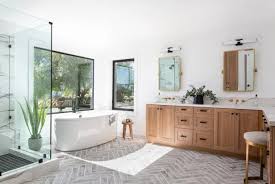

The bathroom is no longer just a functional necessity tucked away in a corner of the house. In the modern architectural landscape, it has evolved into a private sanctuary, a place of decompression and ritual. When homeowners contemplate enhancing their living environment, Bathroom Makeovers often top the list because they offer the most immediate impact on daily well-being and long-term property valuation. Transforming a standard washroom into a high-end retreat requires a delicate balance of spatial intelligence, material selection, and technical precision.
Starting a renovation project in a major metropolitan area brings unique challenges and opportunities. From navigating historical building constraints to integrating the latest in water-saving technology, the process is multifaceted. A successful transformation begins long before the first tile is removed; it starts with a deep understanding of how light, moisture, and movement interact within a confined space.
The Art of Spatial Reimagination
Most older homes suffer from layouts that prioritize utility over experience. Walls are often positioned in ways that cut off natural light, and fixtures are placed according to the easiest plumbing route rather than the most intuitive user flow. A premium renovation seeks to rectify these legacy issues. By reconfiguring the footprint, designers can often find space for a double vanity or a separate water closet without needing to expand the actual square footage of the room.
The trend toward “wet rooms” has gained significant traction in luxury residential design. This involves waterproofing a larger section of the bathroom to allow for a barrier-free transition between the vanity area and the shower or tub. This design choice not only creates a sleek, contemporary look but also addresses accessibility, ensuring the home remains functional as the residents age. Achieving this requires meticulous subfloor preparation and a mastery of drainage slope physics to ensure water remains exactly where it belongs.
Selecting Materials That Transcend Trends
When choosing finishes, the goal is to select materials that offer a timeless quality while standing up to the rigors of a high-moisture environment. Natural stones like marble and travertine remain perennial favorites for their organic beauty and cooling properties. However, the rise of high-definition porcelain has provided homeowners with even more durable options that can mimic the look of rare stones or even hardwood without the maintenance concerns associated with porous surfaces.
The concept of materiality extends to the “touch points” of the room. The weight and finish of the faucets, the texture of the drawer pulls, and the warmth of a heated towel rack all contribute to the sensory experience of the space. Brushed gold and matte black finishes currently dominate the design world, offering a sophisticated contrast to the neutral palettes typically found in spa-inspired interiors. By mixing these textures thoughtfully, a designer can create a layered look that feels curated rather than clinical.
The Integration of Wellness Technology
Modern renovations are increasingly defined by the technology hidden behind the walls and within the fixtures. Wellness-focused features such as chromotherapy lighting, digital thermostatic valves, and integrated sound systems allow homeowners to customize their environment with the touch of a button. Imagine a shower that remembers your preferred temperature and spray pattern, or mirrors with built-in defoggers and adjustable LED rings that simulate different times of day for perfect grooming.
Efficiency is also a cornerstone of modern luxury. High-performance toilets and low-flow faucets no longer mean a sacrifice in water pressure. Instead, advanced aeration technology provides a powerful experience while significantly reducing the home’s environmental footprint. Furthermore, the installation of radiant floor heating provides a consistent, gentle warmth that forced-air systems cannot match, turning a cold morning routine into a cozy experience.
Maximizing Equity Through Strategic Design
From an investment perspective, the bathroom is one of the most critical rooms in the house. Potential buyers often make emotional decisions based on the quality of the primary suite. A renovation that utilizes high-caliber craftsmanship and thoughtful design can provide a substantial boost to the home’s market value. This is particularly true when the project includes “invisible” upgrades like new copper piping, reinforced subflooring, and upgraded ventilation systems that prevent mold and mildew growth.
Strategic design also means planning for storage. Clutter is the enemy of a peaceful environment. Custom-built vanities with internal outlets for hair tools, recessed medicine cabinets that sit flush with the wall, and hidden niches within the shower area allow for a clean, minimalist aesthetic. When every item has a designated home, the architecture of the room is allowed to shine.
Navigating the Construction Process
The technical execution of a high-end bathroom project is where the value of a professional team becomes most apparent. Bathrooms are the most “dense” rooms in a home, containing more mechanical, electrical, and plumbing systems per square foot than any other area. Coordinating the various trades, plumbers, electricians, tile setters, and carpenters, requires a synchronized schedule to avoid delays and ensure that every element is installed in the correct sequence.
Lighting design is another area where professional expertise is vital. A well-lit bathroom requires three layers: task lighting for the vanity, ambient lighting for the overall space, and accent lighting to highlight architectural features or tile textures. Proper waterproofing is perhaps the most critical technical step; utilizing advanced membrane systems ensures that the beauty of the new finishes is protected from structural water damage for decades.
Creating a Timeless Aesthetic
While it is tempting to follow the latest design fads seen on social media, the most successful renovations focus on “quiet luxury.” This involves using a palette of high-quality neutrals and focusing on the proportions of the room. A large-format tile can make a small room feel expansive, while a vertical tile pattern can add height to a room with low ceilings. These subtle design choices create a sense of harmony and balance that never goes out of style.
Ultimately, a bathroom transformation is about more than just new tile and a shiny faucet. It is about creating a space where you can start your day with energy and end it in total relaxation. It is a commitment to quality and a celebration of the home as a place of refuge. By prioritizing expert installation and premium materials, homeowners can ensure that their new sanctuary remains a source of joy and a testament to good design for as long as they own the property.
As the industry continues to evolve, we are seeing a move toward even more personalized spaces, with features like “morning bars” for coffee within the primary suite or integrated seating within the shower area. The possibilities are limited only by the imagination and the structural constraints of the building. When the vision is clear and the execution is flawless, the result is a space that elevates the entire home.