

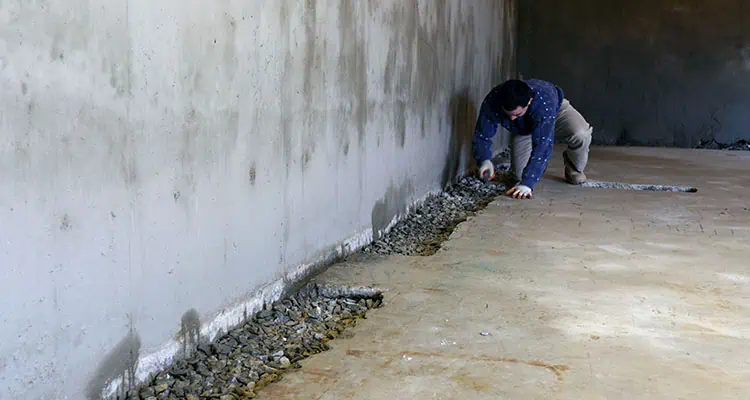

A basement is one of the most important structural areas of a home. It supports the property, provides extra storage or living space, and helps protect the home from ground moisture. However, basements are also one of the most common places where water problems appear.
When water enters through foundation walls, masonry cracks, mortar joints, block walls, or gaps around the structure, it can create serious issues. Damp walls, musty smells, mold growth, peeling paint, and water stains are all signs that moisture may be affecting the basement.
This is where basement waterproofing and masonry repair work together. Waterproofing helps manage and prevent water entry, while masonry repair strengthens the damaged areas where water may be getting through. For homeowners, understanding the connection between waterproofing and masonry can help protect the foundation, basement, and overall value of the property.
Why Basements Are Vulnerable to Water
Basements are below ground level, which means they are surrounded by soil. When it rains or snow melts, the soil around the home can become saturated with water. This water creates pressure against the foundation walls.
Over time, pressure and moisture can force water through weak points such as:
- Foundation cracks
- Mortar joints
- Concrete block walls
- Stone foundation walls
- Gaps around pipes
- Window wells
- Floor-wall joints
- Poorly sealed masonry surfaces
Even small openings can allow water to enter. Once water finds a path inside, it usually continues to return unless the source is properly addressed.
Masonry Cracks Can Lead to Basement Leaks
Masonry materials such as brick, block, stone, mortar, and concrete are strong, but they can crack or deteriorate over time. When cracks develop in basement walls or foundation masonry, water can pass through.
Some cracks are caused by normal settling, while others may be linked to soil movement, hydrostatic pressure, poor drainage, freeze-thaw cycles, or structural stress.
Common masonry crack warning signs include:
- Vertical cracks in foundation walls
- Horizontal cracks in basement walls
- Stair-step cracks in block or brick
- Crumbling mortar joints
- Bowing or leaning walls
- Water stains near cracks
- Efflorescence, or white powdery residue
A waterproofing solution may stop moisture temporarily, but if the masonry damage is not repaired, the problem can return. That is why professional inspection is important.
Mortar Joints Can Become Weak Over Time
In brick, block, or stone foundations, mortar joints play an important role. They hold the masonry units together and help keep the wall strong. When mortar begins to crack, crumble, or wash away, the wall becomes more vulnerable to moisture.
Water can enter through deteriorated joints and slowly weaken the surrounding masonry. In older homes, this is especially common because mortar naturally wears down over time.
Repointing may be needed when mortar joints are damaged. This process involves removing weak mortar and replacing it with fresh mortar to restore strength and reduce water entry.
For homes with aging masonry foundations, repointing and waterproofing often work together.
Hydrostatic Pressure Can Damage Foundation Walls
Hydrostatic pressure is the pressure created when water builds up in the soil around the foundation. When drainage around the home is poor, this pressure can become strong enough to push against basement walls.
Over time, hydrostatic pressure can cause:
- Wall cracks
- Bowing basement walls
- Water seepage
- Floor cracks
- Leaks at the wall-floor joint
- Masonry movement
- Basement flooding
Waterproofing helps reduce the impact of this pressure by directing water away from the foundation or managing it before it enters the basement. Masonry repair helps strengthen damaged walls and cracks caused by the pressure.
If the wall is bowing or structurally damaged, foundation repair may also be needed.
Basement Waterproofing Protects the Foundation
Basement waterproofing is not only about keeping the basement dry. It also helps protect the foundation and masonry from long-term damage.
When water continues to enter or sit against masonry walls, it can weaken materials, cause cracks to grow, and lead to mold or mildew. Moisture can also damage flooring, insulation, drywall, stored belongings, and finished basement areas.
Professional waterproofing may include:
- Crack sealing
- Interior drainage systems
- Exterior waterproofing
- Sump pump installation
- Drainage correction
- Foundation wall sealing
- Window well drainage
- Downspout redirection
The right solution depends on where the water is coming from and how serious the problem is.
Interior vs Exterior Waterproofing
There are different approaches to basement waterproofing. The best option depends on the condition of the foundation, the source of the water, and the property layout.
Interior Waterproofing
Interior waterproofing is often used to manage water that enters or threatens to enter the basement. This may include sealing cracks, installing interior drainage channels, adding a sump pump, or applying waterproof coatings.
Interior systems can be effective for managing water and preventing basement flooding.
Exterior Waterproofing
Exterior waterproofing focuses on stopping water before it enters the foundation wall. This may involve excavation, applying waterproof membranes, installing drainage systems, repairing exterior cracks, and improving grading.
Exterior waterproofing can be more involved, but it directly protects the outside of the foundation.
In many cases, both masonry repair and waterproofing are needed for the best long-term result.
Poor Drainage Makes Masonry Problems Worse
Drainage is one of the biggest factors in basement water problems. If water is not directed away from the home, it can collect around the foundation and increase pressure on basement walls.
Common drainage problems include:
- Downspouts draining too close to the home
- Gutters overflowing
- Soil sloping toward the foundation
- Poor yard grading
- Clogged exterior drains
- Low spots near foundation walls
- Driveways or patios sloping toward the house
Even strong masonry can eventually suffer if water is constantly pressing against it. Correcting drainage helps reduce stress on the foundation and supports long-term waterproofing success.
Signs Your Basement May Need Waterproofing
Homeowners should watch for early signs of moisture. Water problems usually get worse over time, especially during heavy rain or seasonal changes.
Common signs include:
- Damp basement walls
- Water stains
- Musty odors
- Mold or mildew
- Peeling paint
- White powder on masonry
- Cracks in basement walls
- Water pooling on the floor
- Rust on metal fixtures
- Soft or damaged drywall
- Wet carpet or flooring
If these signs appear, it is important to act early. Delaying repair can lead to more expensive damage.
Masonry Repair Helps Stop Water Entry Points
Waterproofing systems manage moisture, but masonry repair helps close the weak areas where water enters. This may include repairing cracks, replacing damaged blocks or bricks, repointing mortar joints, and stabilizing weakened walls.
Common masonry repairs for basement water problems include:
- Foundation crack repair
- Block wall repair
- Stone foundation repointing
- Brick foundation repair
- Mortar joint replacement
- Wall reinforcement
- Concrete patching
- Exterior foundation repair
A proper repair should address both the visible damage and the cause behind it.
Basement Waterproofing Can Improve Indoor Air Quality
A damp basement can affect more than the lower level of the home. Moisture can contribute to mold, mildew, and musty odors that may spread into other parts of the house.
Waterproofing helps reduce moisture levels and creates a cleaner, healthier indoor environment. This is especially important if the basement is used as a living area, office, gym, laundry room, or storage space.
Dry basements are also less attractive to pests and less likely to develop rot or material damage.
Waterproofing Protects Finished Basements
Many homeowners invest in finished basements to create extra living space. A basement may be used as a family room, bedroom, office, entertainment area, or rental space.
However, finished basements are especially vulnerable to water damage. Moisture can ruin flooring, drywall, trim, furniture, and electrical components.
Before finishing a basement, it is smart to inspect the foundation and masonry for cracks or moisture problems. Waterproofing before finishing can help prevent costly damage later.
Foundation Repair May Be Needed Too
Sometimes basement water problems are connected to structural foundation issues. If walls are bowing, cracking heavily, or shifting, waterproofing alone may not be enough.
Signs that foundation repair may be needed include:
- Horizontal wall cracks
- Bowing basement walls
- Large stair-step cracks
- Uneven floors above the basement
- Doors or windows sticking
- Gaps around frames
- Repeated water leaks in the same area
In these cases, a professional contractor may recommend structural repair along with waterproofing.
Why Professional Inspection Matters
Basement water problems can have several causes. A leak may come from a wall crack, poor grading, clogged gutters, failed mortar joints, hydrostatic pressure, or a combination of issues.
A professional masonry and waterproofing contractor can inspect the basement, foundation, exterior drainage, and masonry condition to find the real source of the problem.
This helps avoid temporary fixes that do not solve the cause. The goal should be to keep the basement dry while also protecting the masonry structure.
Preventing Future Basement Water Problems
After waterproofing and masonry repairs are completed, homeowners should continue basic maintenance to reduce future problems.
Helpful prevention steps include:
- Keep gutters clean
- Extend downspouts away from the foundation
- Maintain proper yard grading
- Seal small cracks early
- Watch for new mortar damage
- Keep window wells clear
- Repair exterior masonry damage
- Inspect after heavy rain
- Avoid letting water pool near the home
Small maintenance steps can make a big difference in protecting the foundation.
Final Thoughts
Basement waterproofing and masonry repair work closely together. Waterproofing helps control and prevent water entry, while masonry repair strengthens damaged areas and closes the cracks, joints, and weak points where moisture can enter.
For homeowners, basement water problems should never be ignored. Damp walls, cracks, musty odors, stains, and standing water can all point to deeper issues around the foundation or masonry.
Professional basement waterproofing can help protect the home from water damage, mold, structural problems, and costly repairs. When combined with quality masonry repair, it provides a stronger long-term solution.
A dry basement and a strong foundation are essential for protecting the safety, comfort, and value of the property.