

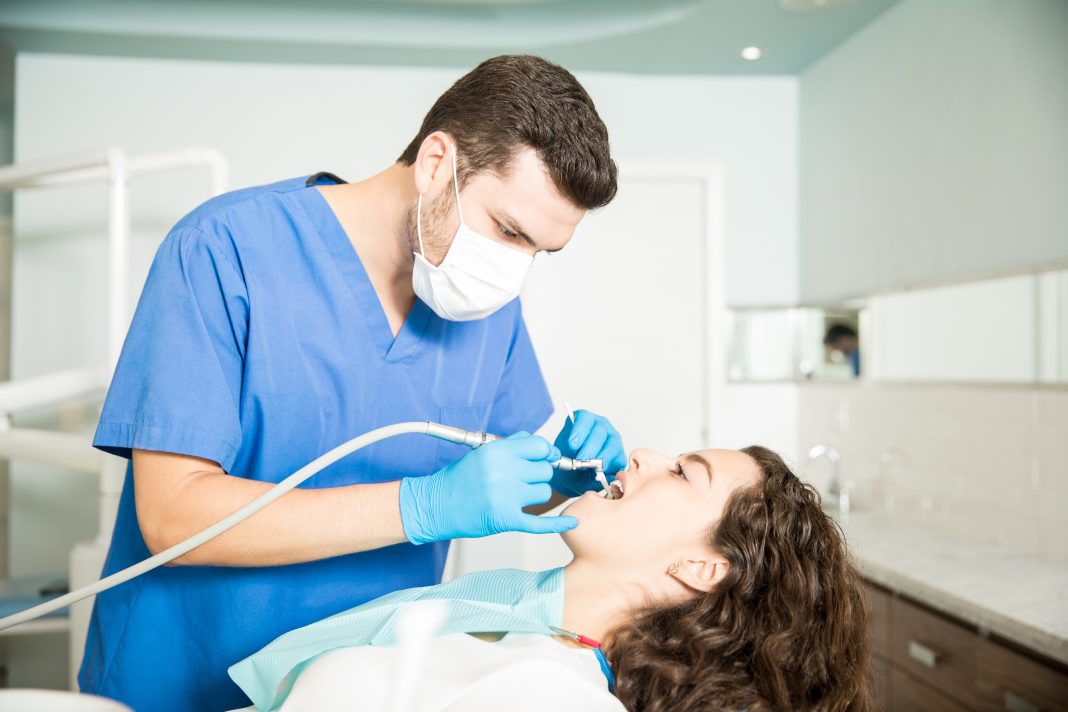

Your mouth carries your story. Every meal, every smile, every word. Preventive dental education gives you control over that story. It shows you what really causes tooth decay, gum disease, and tooth loss. It also shows you simple steps to avoid them. You learn how food, brushing, flossing, and regular checkups work together. You start to see warning signs early and act before pain starts. A Plainfield dentist can teach these habits in clear steps. Schools, clinics, and community centers can repeat the same message. Then families build routines that protect children and adults. This kind of teaching cuts fear, emergency visits, and high costs later. It turns confusion into clear daily actions. It replaces shame with steady progress. Preventive dental education does not just protect teeth. It protects confidence, speech, sleep, and social life for years.
Why knowledge about your mouth matters
Tooth decay and gum disease do not start with pain. They start in silence. You feel fine while tiny spots of damage grow. By the time you feel pain, the problem often needs urgent care. Education breaks that pattern.
When you understand how decay starts, you can interrupt it early. You learn that sugar feeds harmful bacteria. You see that plaque hardens into tartar if you ignore it. You hear that red or bleeding gums are not normal. This knowledge turns small daily choices into strong protection.
The Centers for Disease Control and Prevention explains how early actions reduce cavities and gum disease in children and adults.
Key messages of preventive dental education
Effective teaching keeps the message clear and simple. It focuses on three main themes.
- Clean your mouth the right way each day
- Watch what you eat and drink
- See a dental team on a regular schedule
First, you learn how to brush for two minutes, twice each day. You learn to use a soft brush and small circles. You learn to clean the front, back, and chewing surfaces of every tooth. You also learn how to floss to clean between teeth where a brush cannot reach.
Second, you learn that frequent sugary drinks and snacks hurt your teeth. You see how constant sipping of soda or juice keeps acid levels high. You hear that water and plain milk are safer choices.
Third, you learn that regular visits let a dental team spot early changes. They can treat small issues before they turn into infections or tooth loss.
How education lowers future oral issues
Preventive dental education works like a shield that you build over time. Each skill adds a new layer of protection.
- You remove plaque before it hardens
- You cut down sugar attacks on your teeth
- You catch problems when they are small
These actions reduce:
- Cavities in both baby and adult teeth
- Gum swelling and bleeding
- Tooth loss and infection
- Emergency visits for severe pain
- Time away from work and school
The National Institute of Dental and Craniofacial Research offers clear guides on brushing, flossing, and diet for families.
Daily habits that make the biggest difference
Three daily habits protect most mouths.
- Brush twice each day with fluoride toothpaste
- Floss once each day between every tooth
- Drink water and limit sugary drinks and snacks
Children need help with brushing and flossing until they can tie their own shoes. Older adults may need support if their grip strength or vision changes. Family members can share simple reminders and help set routines. Morning and bedtime brushing, a small home supply of floss, and water on the table at meals give steady support.
Comparing preventive care and emergency care
Preventive care and emergency care feel very different. The table shows a simple comparison.
| Type of care | When it usually happens | Common reason | Typical cost and impact
|
|---|---|---|---|
| Preventive visit | Every 6 to 12 months | Checkup, cleaning, early warning signs | Lower cost. Short visit. Less pain and stress. |
| Emergency visit | After pain or swelling starts | Severe cavity, broken tooth, infection | Higher cost. Longer visit. More fear and missed work or school. |
Education shifts more visits into the first group. You spend less time in crisis and more time in control.
The role of schools and communities
Children learn best when they hear the same message in three places. Home. School. Clinic.
School programs that teach brushing, healthy snacks, and regular checkups support parents. Classroom talks, short videos, and simple handouts give clear steps. Community centers and faith groups can host dental days. These visits can include free screenings, fluoride treatments, and short lessons for families.
When adults learn beside children, the message sticks. Families begin to share the same words about healthy teeth at home. They build a shared plan for snacks, brushing time, and dental visits.
Turning knowledge into action for your family
You can start with three simple moves.
- Set a brushing and flossing schedule for your household
- Replace one sugary drink each day with water
- Schedule the next dental checkup before anyone has pain
Keep toothbrushes, toothpaste, and floss where everyone can reach them. Use a timer or a short song to reach two minutes of brushing. Praise effort, not perfection. Each small step lowers the chance of future oral issues.
Your mouth carries your story. Preventive dental education gives you the power to protect that story for yourself and for those you love.