

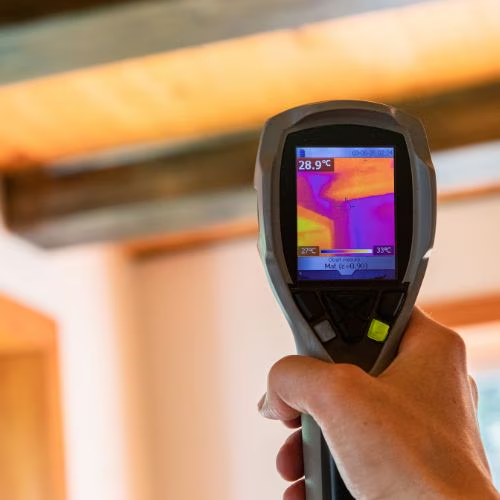

In today’s fast-paced world, people spend a significant portion of their time indoors—whether at home, in the office, or in other enclosed environments. While comfort and convenience are often prioritized, one critical factor is frequently overlooked: indoor air quality. The air you breathe inside your home can have a direct impact on your health, productivity, and overall well-being.
Understanding and improving Indoor Air Quality is not just a luxury—it’s an essential step toward creating a healthier living environment.
What Is Indoor Air Quality?
Indoor air quality (IAQ) refers to the condition of the air within buildings and structures, particularly as it relates to the health and comfort of occupants. It involves the presence of pollutants, humidity levels, ventilation, and airborne particles that can affect how safe and breathable the air is.
Common indoor pollutants include:
- Mold spores
- Dust and allergens
- Volatile organic compounds (VOCs)
- Pet dander
- Bacteria and viruses
Poor air quality can often go unnoticed, making it even more important to stay informed and proactive.
Why Indoor Air Quality Is Important
1. Health and Well-Being
Poor indoor air quality can lead to a range of health issues, including:
- Allergies and respiratory problems
- Headaches and fatigue
- Eye, nose, and throat irritation
- Worsening of asthma symptoms
Long-term exposure to polluted indoor air may even contribute to more serious health conditions.
2. Improved Sleep and Comfort
Clean air contributes to better sleep quality and overall comfort. When pollutants and allergens are minimized, your body can relax more effectively, leading to improved rest and recovery.
3. Enhanced Productivity
Whether working from home or in an office, air quality plays a role in concentration and energy levels. Cleaner air supports mental clarity and reduces fatigue, helping individuals stay focused throughout the day.
Common Causes of Poor Indoor Air Quality
Understanding what affects air quality is the first step toward improvement. Some of the most common causes include:
- Mold growth due to excess moisture
- Poor ventilation, trapping pollutants indoors
- Household cleaning products releasing chemicals
- Dust accumulation in carpets and furniture
- HVAC systems that are not properly maintained
Even newer homes can experience air quality issues due to tightly sealed construction that limits airflow.
Signs Your Indoor Air Quality May Be Poor
It’s not always obvious when indoor air quality is compromised, but some signs to watch for include:
- Persistent musty odors
- Increased allergy symptoms indoors
- Visible mold or mildew
- Frequent headaches or fatigue at home
- Excess humidity or condensation
If these issues persist, it may be time to consider a professional evaluation.
How to Improve Indoor Air Quality
1. Increase Ventilation
Allow fresh air to circulate by opening windows or using ventilation systems to reduce the buildup of indoor pollutants.
2. Control Humidity Levels
Maintain indoor humidity between 30% and 50% to prevent mold growth and improve comfort.
3. Regular Cleaning
Dust and vacuum frequently to reduce allergens and airborne particles.
4. Maintain HVAC Systems
Replace filters regularly and ensure your heating and cooling systems are functioning properly.
5. Address Mold and Moisture Issues
Mold is a major contributor to poor air quality. Identifying and resolving moisture problems early can prevent long-term damage.
The Role of Professional Testing
While basic improvements can be made independently, professional testing provides a more accurate understanding of your indoor environment. Experts can identify hidden contaminants, measure pollutant levels, and recommend targeted solutions.
This is especially important in regions with high humidity, where mold growth is more likely to occur.
Final Thoughts
Indoor air quality is a critical yet often overlooked aspect of a healthy home. From preventing health issues to improving daily comfort, clean air plays a vital role in overall well-being.
Taking proactive steps—whether through regular maintenance, improved ventilation, or professional testing—can make a significant difference. Investing in better air quality today ensures a healthier and more comfortable environment for years to come.