

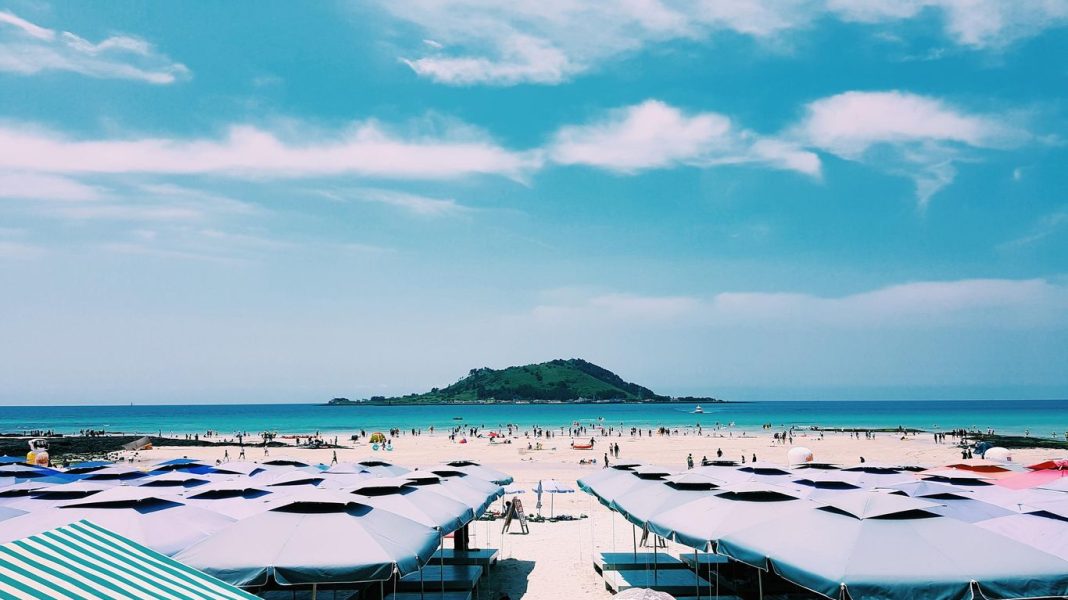

South Korea has firmly established itself as a top travel destination for Singaporeans, driven by K-drama culture, incredible food, and a country that is remarkably easy to navigate. When it comes to travel planning, finding the right cheap flights SG to Jeju option makes all the difference. The three main destinations most Singaporean travellers consider are Seoul, Jeju Island, and Busan. Each offers something distinct, and understanding the differences helps you decide where to spend your limited holiday days — or whether to combine two or three into a single trip.
Seoul: The Capital That Never Sleeps
Seoul is where most first-time visitors to Korea start, and it delivers on every front. Gyeongbokgung Palace and Bukchon Hanok Village showcase traditional Korean architecture, while Gangnam and Hongdae represent the modern, trend-driven side of the city. Shopping in Myeongdong for Korean skincare products has become a pilgrimage for many Singaporean travellers. The street food in Gwangjang Market — bindaetteok pancakes, raw beef tartare, and knife-cut noodles — is worth the trip alone. Seoul’s subway is clean, cheap, and connects every major neighbourhood, making it one of the easiest Asian capitals to explore independently.
Jeju: Nature and Relaxation
Jeju Island appeals to a completely different travel mood. The volcanic landscape, hiking trails, and coastal scenery give it a rural, laid-back character that contrasts sharply with Seoul’s urban energy. For Singaporeans, cheap flights SG to Jeju often route through Seoul with a quick domestic connection. The island’s visa-free entry policy for many nationalities, including Singaporeans, adds an extra layer of convenience. Jeju’s black pork barbecue, fresh seafood, and Hallabong tangerines provide a food experience that is distinctly different from mainland Korea. Renting a car and driving the coastal road at your own pace is the ideal way to experience the island.
Busan: Beaches and Seafood Capital
Busan is South Korea’s second-largest city and its premier coastal destination. Haeundae Beach draws crowds in summer, but the city has year-round appeal. Gamcheon Culture Village, a hillside neighbourhood painted in bright colours, is one of the most photographed spots in the country. The Jagalchi Fish Market is the largest seafood market in Korea, where you can buy raw fish on the ground floor and have it prepared at restaurants upstairs. Busan’s temple scene is also impressive — Haedong Yonggungsa, a seaside temple perched on ocean cliffs, is unlike any temple you will find inland.
Combining Multiple Destinations
Many Singaporean travellers combine two or all three destinations in a single trip. The KTX high-speed train connects Seoul to Busan in under three hours, making a combined Seoul-Busan itinerary highly practical. From either city, a short domestic flight to Jeju adds the island component. A popular ten-day itinerary runs four days in Seoul, three in Busan, and three on Jeju. cheap flights SG to Jeju can also serve as your entry point, with onward domestic flights to Seoul or Busan afterwards.
Cost Comparison for Singaporean Travellers
Seoul tends to be the most expensive of the three for accommodation, though budget options in areas like Mapo and Jongno keep costs reasonable. Busan and Jeju offer better value on hotels and food. Dining across all three destinations is affordable by Singapore standards — a full Korean barbecue meal runs about SGD 15 to 25 per person. Transport within the country is cheap, with domestic flights between cities costing as little as SGD 50 one way if booked early. cheap flights SG to Jeju or Seoul can be found on Traveloka Singapore, especially during non-peak travel windows.
When to Visit Each Destination
Seoul and Busan are best in spring for cherry blossoms or autumn for foliage, with temperatures comfortable for walking. Jeju peaks in spring when the canola flowers bloom and autumn when the mountain colours change. Summer across all three destinations is hot and humid with a monsoon season in July and August. Winter brings cold temperatures and snow, which some Singaporean travellers enjoy precisely because it is so different from home. Planning around Korean public holidays avoids domestic tourist crowds that can make popular spots uncomfortably packed.