

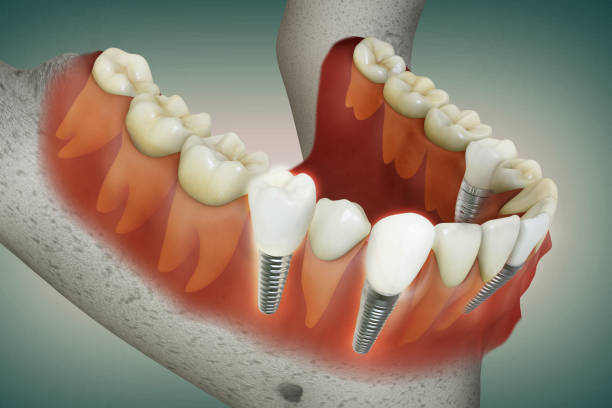

Your mouth tells a story long before you speak. When care feels rushed, confusing, or cold, that story turns heavy. You deserve steady support, clear answers, and a dentist who knows your family by name. A family dentist gives one place for everyone. Children, parents, and grandparents can all sit in the same waiting room. That saves time. It also builds trust. Over time, your dentist learns your history, your fears, and your goals. That knowledge can change how you feel in the chair. It can also guide important choices such as dental implants in Northeast Philadelphia. This blog shows three clear signs that your current dentist no longer fits your needs. You will see what to watch for, what it means, and what to do next. You can protect your health. You can choose a dentist who stands with your family through every season of life.
Sign 1: You Feel Rushed, Confused, Or Ignored
Your dentist should listen. If you walk out with new questions or a tight feeling in your chest, something is wrong. Care that feels rushed often leads to missed problems and regret.
Watch for three warning patterns.
- Your dentist talks more than you and cuts you off.
- You never see the same provider twice and have to repeat your story.
- You feel judged about your teeth, past choices, or money.
These patterns weaken trust. They also affect your health. The Centers for Disease Control and Prevention links poor oral health to heart disease and diabetes. You need a partner who explains risks in plain words and checks that you understand. A family dentist often plans more time for each visit. That gives space for your questions about pain, sleep, or habits. It also gives time to explain X-rays, treatment paths, and costs in clear steps.
Ask yourself three short questions.
- Do you feel safe telling the truth about pain or fear
- Do you walk out knowing what happens next and why
- Do you trust that your dentist remembers your story
If you answer no to even one, it may be time to look for a family dentist who listens closely and speaks with respect.
Sign 2: Your Dentist Is Not A Good Fit For Your Whole Family
Life changes. Children grow. Parents age. Health needs shift. Your dentist should keep pace with your family. If you juggle several offices, mix up records, or skip visits because it is too hard to plan, a family dentist can help.
Common signs of a poor fit include three patterns.
- Your child sees a different dentist than you, which doubles travel and time off work.
- Your dentist does not feel patient with children or uneasy adults.
- Office hours do not match school or work, so you often cancel.
A family dentist treats teeth at every age. That single home for care can cut stress and support steady checkups. The National Institute of Dental and Craniofacial Research stresses regular checkups for both children and adults. When one office sees your whole family, patterns stand out. For example, if several family members have gum problems, your dentist can look at shared habits, food, or health history. That can stop small issues before they grow.
Here is a simple comparison to help you think about your current care.
| Feature | Separate Dentists For Each Person | One Family Dentist
|
|---|---|---|
| Number of offices to track | Two or more | One |
| Medical and dental history | Scattered across sites | All in one record |
| Scheduling | Different days and times | Back to back visits for family |
| Comfort for nervous children | New staff often | Same faces every visit |
| Ability to spot family patterns | Low | High |
| Time away from work or school | Higher | Lower |
If your current setup looks like the left column, a switch to a family dentist can bring calm and order. One office. One phone number. One team that knows your story.
Sign 3: Your Current Dentist Cannot Meet Your Growing Needs
Your needs do not stay the same. You may grind your teeth, need a mouth guard, or face gum disease. A child may need sealants or help with thumb sucking. A parent may need crowns or implants. If your dentist often says they cannot provide a service, you may face long waits or long drives for each new need.
Look for three signs that your care is too limited.
- You are sent out for many basic services, such as simple extractions or night guards.
- Your dentist does not talk about prevention, only fixes problems after they hurt.
- There is no clear plan for your future needs, such as aging teeth or chronic illness.
A strong family dentist covers a wide range of care. That often includes cleanings, fillings, crowns, simple extractions, gum care, and help with habits. Many also guide you through choices about implants or braces. You still may see a specialist at times. Still, your family dentist stays your base. That steady guide can explain options in a way that fits your budget and your health.
When you think about switching, ask a new office three questions.
- What services do you provide for children, adults, and older adults
- How do you handle emergencies after hours
- How do you plan to care for people with long-term health conditions
Clear, direct answers show respect for your time and your trust.
How To Make A Safe Switch To A Family Dentist
Once you see these signs, you may feel nervous about change. That is normal. Still, staying with poor care can cause more harm. You can move in three simple steps.
- First, ask family, coworkers, or neighbors for names of dentists they trust.
- Next, call offices and ask about age range, services, insurance, and payment options.
- Finally, request that your current dentist send your records to the new office.
Keep a list of your medicines, health problems, and past dental work. Bring this list to your first visit. Share your fears and your goals. A good family dentist listens, explains, and plans with you. You deserve that level of care for yourself and every person you love.