

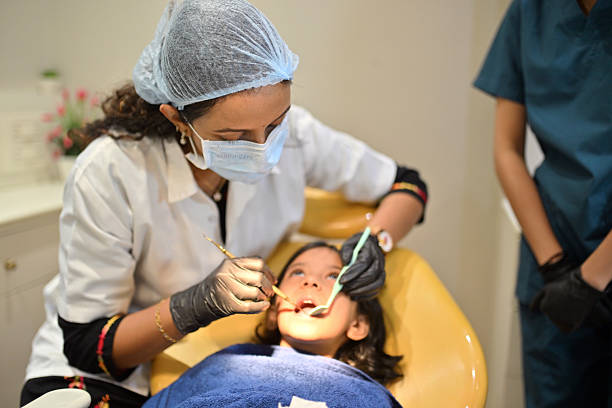

Raising a child already pulls you in every direction. You worry about sugar, snacks, and constant grazing. You also worry about cavities and painful late night emergencies. Family dentistry connects these concerns so you do not have to choose between what your child eats and how your child’s mouth feels. A trusted dentist in Sunnyvale helps you see how daily food choices shape your child’s teeth, gums, and growth. You learn which “healthy” foods quietly harm enamel. You see how simple swaps protect tiny mouths without turning mealtimes into battles. You also gain a clear plan for checkups, cleanings, and early treatment. That plan lowers stress, cuts surprise costs, and guards your child’s comfort. This blog shows how family dentistry gives you straight answers, steady support, and a practical path to balance nutrition and oral health at every age.
Why Food Choices Matter For Your Child’s Mouth
Every snack leaves a mark on your child’s teeth. Some foods feed growth. Other foods feed cavity bacteria. Your child’s mouth becomes a record of these choices.
Family dentistry brings this record into focus. You see patterns. You see how often, not only how much, sugar reaches your child’s teeth. You also see how slow sipping and sticky snacks keep sugar on enamel for hours.
According to the Centers for Disease Control and Prevention, cavities are one of the most common chronic conditions in children.
Three key truths help you guide daily choices.
- Frequency of sugar hurts more than the size of one treat
- Sticky food stays longer on teeth than drinks
- Plain water between meals helps teeth recover
How A Family Dentist Reviews Your Child’s Diet
Family dentistry turns vague worry into a clear picture. During visits, your dentist does three things that support your choices at home.
- Asks about meals, snacks, sports drinks, and bedtime habits
- Checks enamel wear, early white spots, and gum swelling
- Shares clear feedback about which habits help or hurt
This review does not blame you. It gives you useful facts. You learn which habits you can keep. You also learn which habits need to change right away.
Comparing Common Snacks And Their Impact On Teeth
The table below shows how different snacks affect your child’s mouth. It focuses on sugar content and how long each snack clings to teeth.
| Snack Type | Typical Sugar Content | Time On Teeth | Impact On Cavities | Suggested Swap
|
|---|---|---|---|---|
| Fruit juice box | High | Short if finished fast | High if sipped over hours | Water plus whole fruit |
| Sticky fruit snacks | High | Long | Very high | Fresh berries or apple slices |
| Flavored yogurt | Medium to high | Medium | Medium | Plain yogurt with sliced fruit |
| Crackers or chips | Low to medium | Long when stuck in grooves | Medium | Cheese and nuts if age safe |
| Chocolate bar | High | Short to medium | Medium when eaten with a meal | Smaller piece with dinner only |
| Fresh vegetables | Very low | Short | Low | Keep as daily snack |
Your dentist helps you read this kind of table through the lens of your child’s habits. You then build a snack plan that your child can follow.
Three Simple Food Rules That Protect Teeth
You do not need a strict diet to guard your child’s mouth. You need a few clear rules that you can repeat and enforce.
- Keep sweet drinks with meals only
- Offer water between meals and at night
- Limit sticky or chewy treats to rare events
Your family dentist can help you adapt these rules for sports, school, and holidays. You gain scripts for grandparents and caregivers so everyone sends the same message.
How Routine Visits Support Nutrition At Home
Routine care becomes your support system. At each visit, your dentist tracks three things.
- Cavity risk based on enamel changes and new spots
- Growth of jaws and spacing of teeth
- Signs of grinding or mouth breathing that affect eating
These visits also give you time to ask direct questions. You can bring food labels. You can ask about sports drinks and protein bars. You can ask about picky eating and late-night hunger. Your dentist gives clear answers that fit your child’s age and health.
The National Institute of Dental and Craniofacial Research shares useful guidance on child oral health.
Working With Your Dentist To Handle Sugar Cravings
Children crave sweet tastes. You cannot erase this. You can manage it with support.
Your family dentist can help you.
- Set a weekly candy plan, so treats feel expected, not secret
- Pair sweets with meals so saliva flow is higher
- Use sugar-free gum for older children after treats
This approach respects your child’s feelings. It also protects teeth from constant sugar contact.
Preventive Treatments That Back Up Good Nutrition
Food choices do much of the work. Preventive care adds another layer of defense. Your family dentist may suggest three tools.
- Fluoride treatments to harden enamel
- Sealants on back teeth to block food from deep grooves
- Cleanings to remove plaque your child misses
These steps do not replace good food habits. They support your effort. They also give you peace of mind when life gets hectic and routines slip.
Turning Dental Advice Into Daily Habits
Advice only helps when it shows up in your kitchen and lunch boxes. After each visit, ask your dentist for three specific actions to use at home. Then write them on your fridge.
For example, you might choose to.
- Switch from juice boxes to water at school
- Serve sweets only with weekend dinners
- Add one crunchy vegetable snack each day
At the next visit, you and your dentist review what worked and what failed. You adjust. Over time, these small steps protect your child’s teeth and support steady growth.
Moving Forward With Steady Support
You do not have to balance nutrition and oral health alone. Family dentistry gives you clear facts, a caring plan, and steady check-ins. With that support, you can cut fear, reduce late-night emergencies, and guide your child toward a severe, pain-free smile.