

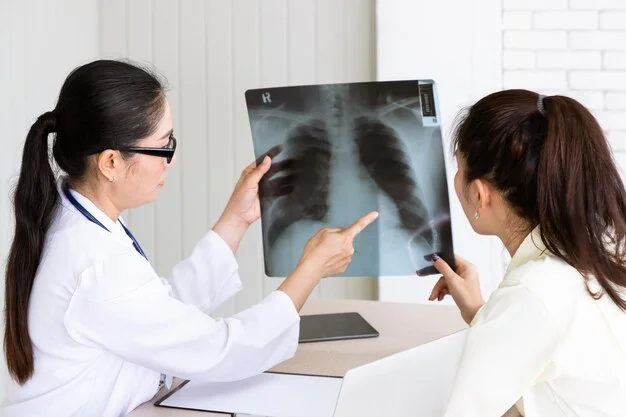

Breathing problems don’t always arrive dramatically. Sometimes it starts as a cough that “never fully goes,” getting winded on stairs, or waking up tired even after a full night’s sleep. Over time, these small signals can turn into activity limits, anxiety, and frequent flare-ups that disrupt work, travel, and family life.
Pulmonology treatment today is not just about “giving an inhaler and hoping.” Modern care focuses on personalized management—identifying the type of respiratory condition you have, how severe it is, what triggers it, and which combination of therapies will help you function normally again.
At Liv Hospital, treatment and management is designed as a structured pathway—so patients understand what’s happening, what’s changing, and what the next steps are.
For the official department page, see PULMONOLOGY Treatment and Management.
What “Treatment and Management” Really Means in Pulmonology
In lung care, treatment usually targets the current problem (tight airways, infection, inflammation, fluid, blockage). Management is the long game—reducing flare-ups, improving stamina, preventing complications, and keeping the condition stable.
A strong plan typically includes:
- Symptom control (so daily life becomes easier)
- Trigger reduction (so symptoms don’t keep returning)
- Lung function protection (to slow or stop decline)
- Emergency planning (clear steps if symptoms suddenly worsen)
The Big Categories of Pulmonology Treatments1) Medication therapy: the foundation for most conditions
Medication isn’t “one-size-fits-all.” The best plan depends on your diagnosis and your pattern of symptoms.
Common goals include:
- opening narrowed airways
- reducing inflammation
- thinning mucus so it can be cleared
- treating infection early
- improving sleep breathing when needed
Examples of medication strategies (in general terms):
- controller inhalers for ongoing inflammation
- reliever inhalers for sudden tightness/wheeze
- nebulized therapies when symptoms are frequent or severe
- short courses of steroids/antibiotics for flare-ups when appropriate
The key is matching therapy to the type of disease, not just the symptom.
2) Device-based support: getting the right help to the lungs
When breathing is unstable—or when oxygen levels drop—devices can dramatically improve comfort and safety.
This may include:
- spacers to improve inhaler delivery
- nebulizers for easier medication intake
- oxygen therapy when saturation is persistently low (especially during activity or sleep)
- CPAP/BiPAP for sleep-disordered breathing and certain respiratory failure situations
Often, the biggest improvement comes from correct setup and correct technique—not just the device itself.
3) Pulmonary rehabilitation: the “fitness plan” for the lungs
Pulmonary rehab is one of the most underrated treatments because it looks simple—but results can be life-changing.
It’s a structured program that focuses on:
- building endurance safely
- strengthening breathing muscles
- learning breathing techniques for exertion
- pacing and energy conservation (so daily tasks feel manageable)
- improving confidence around activity (reducing fear of breathlessness)
This is especially helpful for COPD, post-infection recovery, and patients who have become inactive due to symptoms.
4) Flare-up prevention: managing the “bad weeks” before they happen
Many lung conditions worsen in cycles—patients feel okay, then suddenly crash with cough, wheeze, fever, or low oxygen.
A prevention-focused plan often includes:
- recognizing early warning signs (sleep changes, sputum changes, increased reliever use)
- having a written action plan
- scheduled follow-ups to adjust therapy before symptoms spiral
- smart risk reduction: indoor air quality, seasonal planning, and avoiding irritant exposure
Prevention is not passive—it’s a system.
How Treatment Differs by ConditionCOPD management often focuses on:
- reducing air trapping and breathlessness
- improving exercise capacity
- preventing chest infections and hospital visits
- supporting long-term oxygen needs (if required)
Asthma management often focuses on:
- controlling inflammation consistently
- reducing attack frequency
- identifying triggers (allergens, exercise, cold air, smoke)
- stepping treatment up or down based on control level
Lung infection management often focuses on:
- confirming the cause (viral, bacterial, fungal)
- clearing mucus effectively
- preventing recurrence (especially in bronchiectasis or chronic conditions)
Sleep-related breathing management often focuses on:
- improving oxygen stability during sleep
- reducing daytime fatigue and headaches
- lowering long-term cardiovascular strain linked to untreated apnea
What Patients Can Expect From a Treatment Plan
A clear pulmonology plan usually answers:
- What is my diagnosis (and what’s the severity level)?
- What triggers make me worse?
- What is my daily treatment vs. rescue treatment?
- How will we measure improvement? (symptoms, tests, exercise tolerance)
- What should I do during a flare-up?
- When should I seek urgent help?
Patients do better when the plan is simple, written, and measurable.
The Most Important Part of Management: Consistency
Many respiratory treatments work best when they’re:
- used correctly (technique matters)
- used regularly (even when you feel fine)
- reviewed periodically (needs change over time)
If symptoms keep “breaking through,” it’s often a sign the plan needs adjustment—not that nothing can help.
Last Paragraph (Lifestyle link only here)
Day-to-day choices also support lung stability—like improving sleep routines, gentle conditioning, hydration, and reducing irritant exposure at home. If you want practical wellness habits that complement medical care, you can explore lifestyle tips at live and feel.