

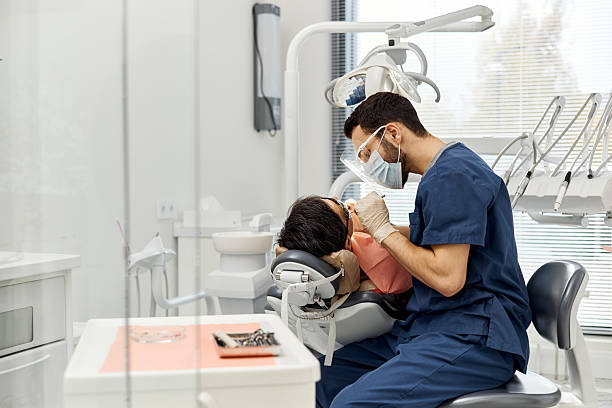

You brush and floss. You try to eat well. You still need professional dental cleanings. Plaque and tartar hide in places your toothbrush never reaches. They trap germs that attack your teeth and gums. Over time this quiet damage leads to pain, infection, and tooth loss. Routine cleanings stop this slow breakdown. They remove buildup, check for early warning signs, and protect your whole body health. Many serious health problems first show up in your mouth. A cleaning visit is often the first line of defense. You also get honest feedback about your daily habits and simple steps to fix them. When you see a dentist in Schaumburg, you are not just polishing your smile. You are taking control of your health, your comfort, and your confidence. Professional cleanings are not a luxury. They are basic care you cannot afford to skip.
What Happens During A Professional Cleaning
You should know what to expect. That knowledge lowers fear and builds trust.
- Review. You share your health history and any new symptoms. The team checks blood pressure and medicines.
- Exam. The dentist checks teeth, gums, tongue, and cheeks. You may get X rays if needed.
- Scaling. The hygienist removes plaque and tartar from teeth and under the gumline.
- Polishing. Teeth are polished to smooth the surface and remove surface stains.
- Fluoride or other support. You may receive fluoride or sealants based on your risk.
- Coaching. You get clear feedback about brushing, flossing, and diet.
Each step works together. You leave with cleaner teeth and a clear plan for home care.
How Often You Need Cleanings
The American Dental Association explains that you should follow a schedule set with your dentist based on your risk. You can read more here at MouthHealthy from ADA.
Most people need cleanings twice per year. Some need visits more often. A few with very low risk may need fewer visits. Risk changes as you age. You should revisit this plan often.
Suggested Cleaning Frequency By Risk Level
| Risk Level | Common Signs | Suggested Cleaning Schedule
|
|---|---|---|
| Low | No cavities, healthy gums, strong home care | Every 6 to 12 months |
| Moderate | Past cavities, mild gum bleeding, sugary diet | Every 4 to 6 months |
| High | Gum disease, many fillings, smoking, diabetes | Every 3 to 4 months |
This chart is a guide. You and your dentist decide together.
Why Your Home Care Is Not Enough
Daily brushing and flossing are still your base. You should brush twice a day with fluoride toothpaste. You should floss once a day. Even with that effort, some buildup stays behind.
There are three main limits.
- Hidden spots. Back teeth, deep grooves, and tight spaces trap plaque.
- Hardened tartar. Once plaque hardens into tartar, only tools in a clinic can remove it.
- Blind spots. You cannot see under your gums or behind back teeth.
Professional cleanings remove what you miss. The visit also checks for damage that you cannot feel yet.
Protecting Your Gums And Preventing Tooth Loss
Gum disease often starts without pain. You may see a little blood when you brush. You may notice bad breath. You might ignore these signs. That delay can cost you teeth.
During cleanings, the team measures your gum pockets and checks for swelling. They remove tartar that fuels gum infection. Early gum disease can often be reversed with focused cleaning and better home care.
Without this care, gums pull away from teeth. Bone support breaks down. Teeth loosen. Eventually teeth fall out or need removal. Routine cleanings are your main shield against this slow loss.
Whole Body Health Connection
Your mouth links to the rest of your body through blood and airways. Ongoing gum infection strains your immune system. It raises inflammation in your body.
Research shows links between gum disease and health problems such as heart disease and diabetes. The Centers for Disease Control and Prevention explains these ties here CDC on gum disease and health.
When you keep your mouth clean, you lower this steady burden on your body. You support blood sugar control. You reduce strain on your heart. You also lower the risk of complications during pregnancy.
Cleanings For Children, Adults, And Older Adults
Every age group needs cleanings for different reasons. You can think in three stages.
- Children. Cleanings remove sticky plaque from new teeth. The visit spots early issues like crowding, thumb sucking effects, and early cavities. Kids also learn that dental care is normal and safe.
- Adults. Work stress, irregular meals, and smoking can harm teeth and gums. Cleanings catch cracks, worn fillings, and grinding damage before they cause strong pain.
- Older adults. Medicines can dry your mouth. Dry mouth raises cavity risk. Cleanings help manage this risk. The dentist also checks dentures, bridges, and implants.
At every stage, the goals stay the same. You protect function, comfort, and clear speech.
Cost, Time, And Long Term Savings
You may worry about the cost of cleanings. The truth is that skipping care often costs more money and time.
Routine Cleaning Compared To Common Dental Problems
| Type Of Visit | Typical Time In Chair | Average Cost Range* | Reason For Visit
|
|---|---|---|---|
| Routine Cleaning And Exam | 45 to 60 minutes | Low | Prevention and early detection |
| Filling For Cavity | 45 to 90 minutes | Medium | Treat decay that could have been caught earlier |
| Root Canal And Crown | 2 to 3 visits | High | Save a tooth with deep infection |
| Tooth Removal And Replacement | Several visits | Very high | Replace lost tooth from decay or gum disease |
*Cost ranges vary by clinic and insurance. The pattern stays clear. Prevention costs less than treatment.
Routine cleanings take less time and money than major repair work. They also spare you from strong pain and missed work or school.
How To Prepare For Your Next Cleaning
You can take a few simple steps to get more value from each visit.
- Write down any tooth or jaw pain, bleeding, or sensitivity.
- Bring a list of medicines and health conditions.
- Ask clear questions about brushing tools and technique.
- Talk about fears or past bad experiences. The team can adjust care.
Then you should follow through at home. Use the toothbrush and floss method that you and your dentist choose together. Cut back on sugary drinks and snacks between meals. Keep every scheduled visit. Small steady steps protect your mouth and your health.