

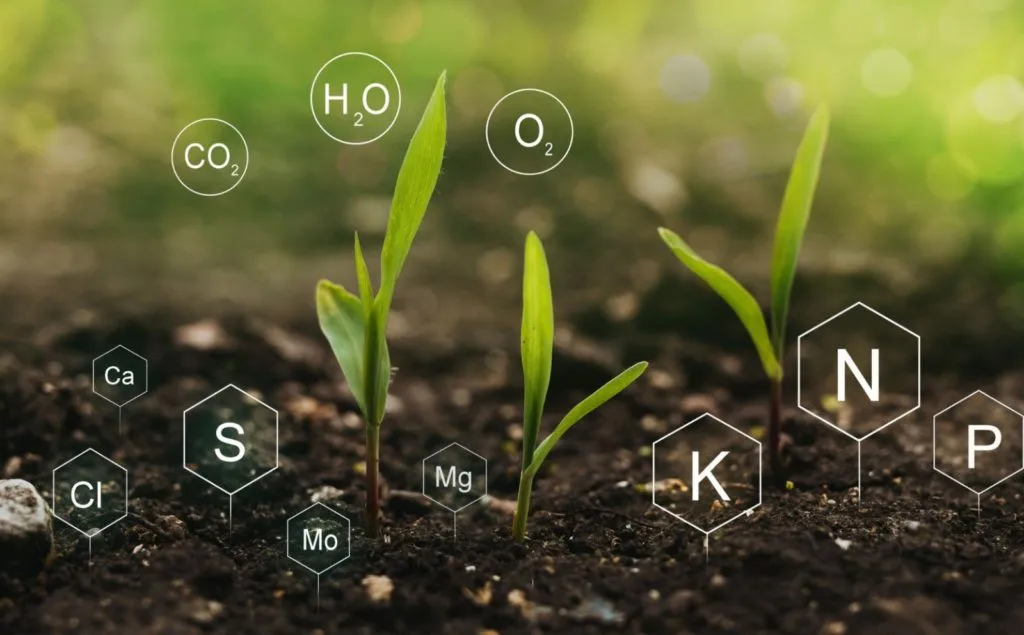

Applying appropriate nutrition methods is crucial for the healthy growth of plants. Nutritional work carried out with the right equipment and materials ensures an efficient production process and high-quality products. To begin this process, it’s necessary to identify the plants’ needs and research appropriate nutrition methods. These efforts both increase productivity and improve the quality of the products obtained.
Why is Plant Nutrition Necessary?
Plants, like humans, need support during their development and growth processes. Therefore, plant nutrition is indispensable for growing healthy and productive plants. Thanks to a good nutrition plan, plant productivity is increased and higher quality products are obtained. In modern agriculture, growing high-quality and high-yield products increases producers’ profits and helps them find more buyers in the market.
Stages of Plant Nutrition
The plant nutrition process should begin with comprehensive research. Necessary preparations must be made to ensure the plants to be grown can thrive under optimal conditions. These stages are:
· Selection of the cultivation area
· Soil analysis
· Determination of the crop to be grown
· Determination of fertilizer and nutrient needs
· Establishment of an irrigation system
In addition, it is necessary to determine the appropriate nutrient products and methods for the plants to grow to the desired quality. After all these preparations are made, planting and sowing operations can begin.
Methods That Can Be Used in Plant Nutrition
Different methods can be used in plant nutrition depending on the experience of the growers. Choosing the right product and quantity for each method ensures the expected results. The main nutrient methods that can be used are:
· Organic nutrition
· Foliar fertilization
· Insectivorous nutrition
· Irrigation fertilization
· Autographic fertilization
· Inorganic fertilization
· Fertigation (fertilization via drip irrigation)
· Symbiotic fertilization
Which method will be used should primarily be determined according to the type of plant being grown. After determining the plant’s irrigation schedule, fertilizer needs, and suitable soil conditions, the correct fertilization method is selected and applied.
Benefits of Plant Nutrition
Plant nutrition provides significant benefits at every stage of the production process. Nutritional processes increase crop yields and allow for the production of higher quality plants. The benefits of plant nutrition include:
· High-yield plant production
· Obtaining high-quality products
· Low-cost production
· Soil improvement
· Plants with high vitamin content
· Healthy photosynthesis process
· Sustainable agricultural practices
Thanks to these benefits, producers can grow more productive and higher-quality products by adopting plant nutrition methods. Furthermore, as soil health improves, more efficient production becomes possible in the long term.
Macronutrient Products
One of the product groups used for the healthy nutrition of plants in areas such as fields, gardens, greenhouses, and vineyards is macronutrient products. These products are of great importance in the growth process of plants and consist of:
· Magnesium
· Calcium
· Potassium
· Phosphorus
· Nitrogen
Which macronutrient product to use is determined according to the type and needs of the plant being grown.
Micronutrient Products
Another group of products used for the healthy development of plants are micronutrient products. These products are used in small amounts and help maintain the health of plants. Micronutrient products include:
· Boron
· Zinc
· Iron
· Chlorine
· Manganese
· Copper
· Molybdenum
These micronutrients support plant growth and help prevent negative health problems.