

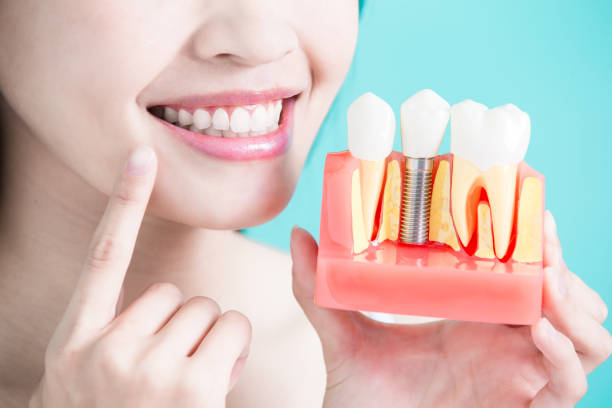

A healthy smile is not luck. You build it with steady choices and the right care. This blog walks you through 4 preventive treatments that protect your teeth, gums, and confidence at every age. You will see how simple steps like cleanings and sealants stop problems early. You will also learn how custom guards shield your teeth from grinding and sports injuries. Finally, you will understand how early tooth loss harms your health and how options like dental implants in Chelsea NYC can help you keep a strong bite for life. Each treatment is clear, practical, and backed by science. You get straight facts, no scare tactics. With this guide, you can talk with your dentist, ask sharp questions, and plan care that fits your daily life. Your smile can stay strong, steady, and pain free if you start now and stay consistent.
1. Regular Checkups and Cleanings
You cannot see every problem that starts in your mouth. Tiny spots of decay and gum infection grow without pain at first. Routine checkups and cleanings catch these threats before they become emergencies.
During a visit, your dental team will usually
- Check your teeth for decay and cracks
- Measure your gums for early signs of disease
- Clean plaque and tartar from hard to reach spots
- Review brushing, flossing, and nutrition habits
According to the National Institute of Dental and Craniofacial Research, about half of adults in the United States have some form of gum disease.
When you go for regular visits, you reduce your risk of
- Sudden tooth pain
- Costly root canals or extractions
- Serious gum infections that affect general health
Early action costs less money, less time, and less stress. You give your family a simple shield that lasts for years.
2. Dental Sealants for Children and Adults
Some teeth have deep grooves that trap food. Even strong brushing cannot reach inside those narrow pits. Sealants cover those grooves with a thin protective layer.
Sealants are most common for children. Yet many adults with healthy teeth can benefit as well. A sealant visit is quick and noninvasive. You stay awake. You feel little more than air and gentle pressure.
The Centers for Disease Control and Prevention explains that children without sealants have about three times more cavities in first molars than children with sealants.
Here is a simple comparison of sealants and fillings.
| Feature | Sealant | Filling
|
|---|---|---|
| Main purpose | Prevent decay in grooves | Repair decay after damage |
| When used | Before a cavity forms | After a cavity forms |
| Tooth drilling | None in most cases | Yes to remove decay |
| Visit length | Short | Longer |
| Cost over time | Lower, fewer repairs | Higher, repeat work possible |
You give your child or yourself a shield that can last many years. You also lower the chance of drills, shots, and missed school or work.
3. Mouthguards and Night Guards
Teeth face two common kinds of force. One comes from sports. The other comes from grinding or clenching at night.
Sports mouthguards protect teeth, lips, and jaws during contact play. You should use a guard for activities like
- Basketball
- Football
- Hockey
- Soccer
- Martial arts
Store bought guards help. Yet custom guards from your dentist fit closer and stay in place. That means better protection and easier breathing.
Night guards help if you grind your teeth while you sleep. You may wake with
- Sore jaw muscles
- Headaches
- Chipped or worn teeth
Grinding can shorten teeth and crack fillings. It can also strain jaw joints. A custom night guard spreads pressure and keeps teeth from grinding against each other.
When you use the right guard, you
- Lower the risk of broken teeth
- Protect dental work you already paid for
- Reduce muscle strain in your face and neck
You protect more than a smile. You protect sleep, comfort, and confidence.
4. Replacing Lost Teeth to Protect Your Mouth
Tooth loss affects more than looks. When a tooth is missing, nearby teeth shift into the gap. Your bite changes. Your jaw bone in that spot starts to shrink. Chewing becomes harder.
You have several options to replace missing teeth. These include
- Bridges that use nearby teeth for support
- Partial dentures that you can remove
- Dental implants that sit in the bone
Dental implants act like artificial roots. They support single crowns, bridges, or full dentures. Implants help keep bone strong. They also help you chew a wide range of foods.
When you replace missing teeth, you
- Keep your bite stable
- Lower strain on remaining teeth
- Support clear speech
- Protect jaw bone from shrinkage
You also support mental health. Many people with missing teeth avoid photos, smiles, and social events. A steady bite and natural look can restore daily comfort and connection.
Putting It All Together for Your Family
These four treatments work best as a set. You build a strong plan when you
- Schedule regular checkups and cleanings
- Use sealants on back teeth when your dentist advises
- Wear mouthguards or night guards when needed
- Replace lost teeth as soon as you can
You also support these steps with three daily habits. You brush with fluoride toothpaste twice a day. You clean between your teeth once a day. You choose water and low sugar snacks as often as you can.
Your smile reflects your daily choices. It also reflects the care you accept. When you use these preventive treatments, you protect your health, your time, and your peace of mind. You give your children a strong start. You also give yourself the power to eat, speak, and smile without fear.