

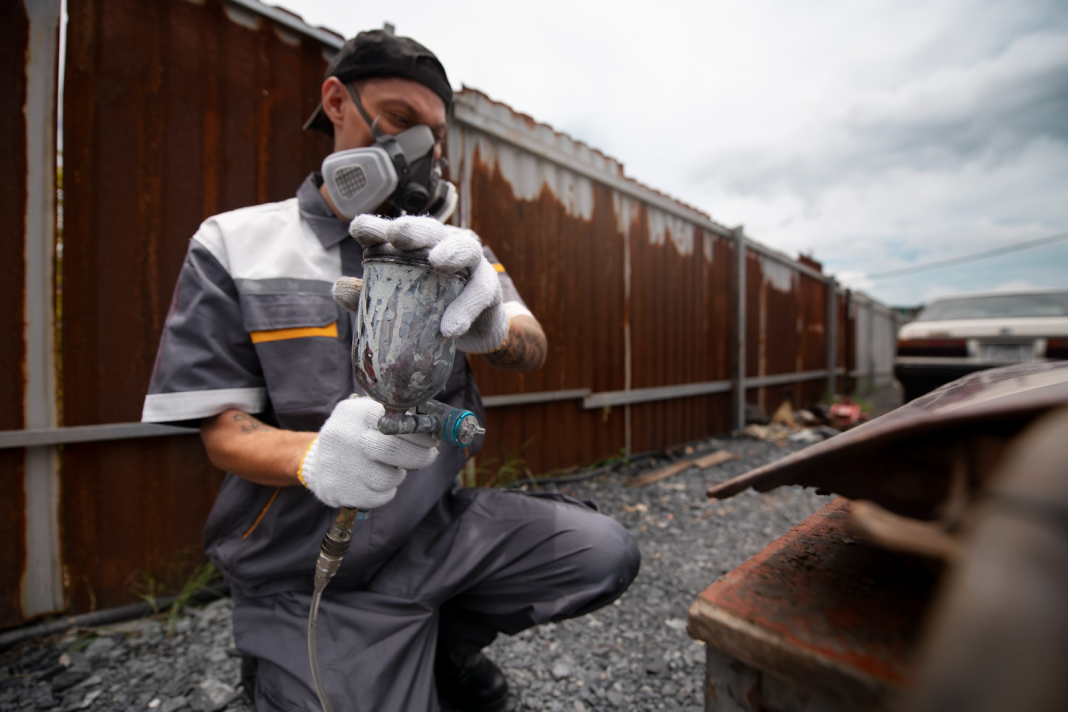

Asbestos is a group of naturally occurring mineral fibers that were widely used in building materials and other products due to their durability and fire-resistant properties. However, exposure to asbestos poses significant health risks, making the need for proper asbestos removal essential in any property where these materials are present. Understanding the health implications of asbestos exposure can help inform decisions about necessary actions and interventions.
1. Respiratory Issues and Lung Disease
One of the most serious health risks associated with asbestos exposure is its impact on the respiratory system. When disturbed, asbestos fibers can become airborne and inhaled. This can lead to various respiratory issues, including asbestosis, a chronic lung condition that causes fibrosis or scarring of the lung tissue.
Symptoms may take years to appear and can include shortness of breath, persistent cough, and chest pain. The importance of asbestos removal becomes clear, as early intervention can prevent the development of severe lung disease.
2. Mesothelioma: A Severe Asbestos-Related Cancer
Mesothelioma is a rare but aggressive cancer that primarily affects the lining of the lungs and abdomen, and it is scientifically linked to asbestos exposure. The latency period for mesothelioma can range from 20 to 50 years, meaning symptoms may not present until decades after exposure.
Common signs include persistent coughing, chest pain, and fatigue, often leading to late-stage diagnosis when treatment options are limited. Because mesothelioma is directly associated with asbestos, prompt and thorough asbestos removal is crucial in reducing the risk of developing this life-threatening condition.
3. Lung Cancer Risks
Asbestos exposure is also closely associated with an increased risk of lung cancer. Individuals who have inhaled asbestos fibers are significantly more likely to develop lung cancer, particularly if they are also smokers.
The combination of smoking and asbestos exposure greatly amplifies health risks, with studies showing that smokers exposed to asbestos are up to 90 times more likely to develop lung cancer compared to non-smokers. This reality underscores the urgency of asbestos removal, especially in environments where individuals may be subjected to both risks.
4. Other Associated Health Conditions
In addition to asbestosis, mesothelioma, and lung cancer, exposure to asbestos can lead to other serious health conditions. These include pleural plaques, which are localized areas of fibrous tissue in the lining of the lungs, and pleural effusion, a condition in which excess fluid accumulates in the pleural cavity.
While not all conditions are directly linked to cancer, they can still lead to significant health problems and reduced lung function. The presence of asbestos in a property necessitates a comprehensive assessment and asbestos removal to mitigate these health risks.
5. Importance of Professional Asbestos Removal
Given the serious health implications of asbestos exposure, professional asbestos removal services are essential for ensuring safety. Attempting to remove asbestos without expert guidance can lead to further fiber release and increased health risks. Trained and certified professionals understand how to handle asbestos safely, following strict protocols for containment, removal, and disposal.
This not only protects the individuals performing the removal but also safeguards the health of anyone in the vicinity. Therefore, engaging in professional asbestos removal is critical for mitigating health risks associated with exposure.
Conclusion
In conclusion, the health risks associated with asbestos exposure are substantial and far-reaching. From respiratory diseases to serious cancers like mesothelioma, the consequences of exposure highlight the need for immediate and effective asbestos removal.
Understanding these risks can empower property owners to take necessary actions, ensuring the safety and well-being of all individuals within their environments.