


Jaw-related conditions are often underestimated, yet they can significantly affect everyday functions such as eating, speaking, breathing, and even sleeping. What many people don’t realize is that jaw structure and joint health are closely connected to overall physical well-being, making proper diagnosis and treatment essential.
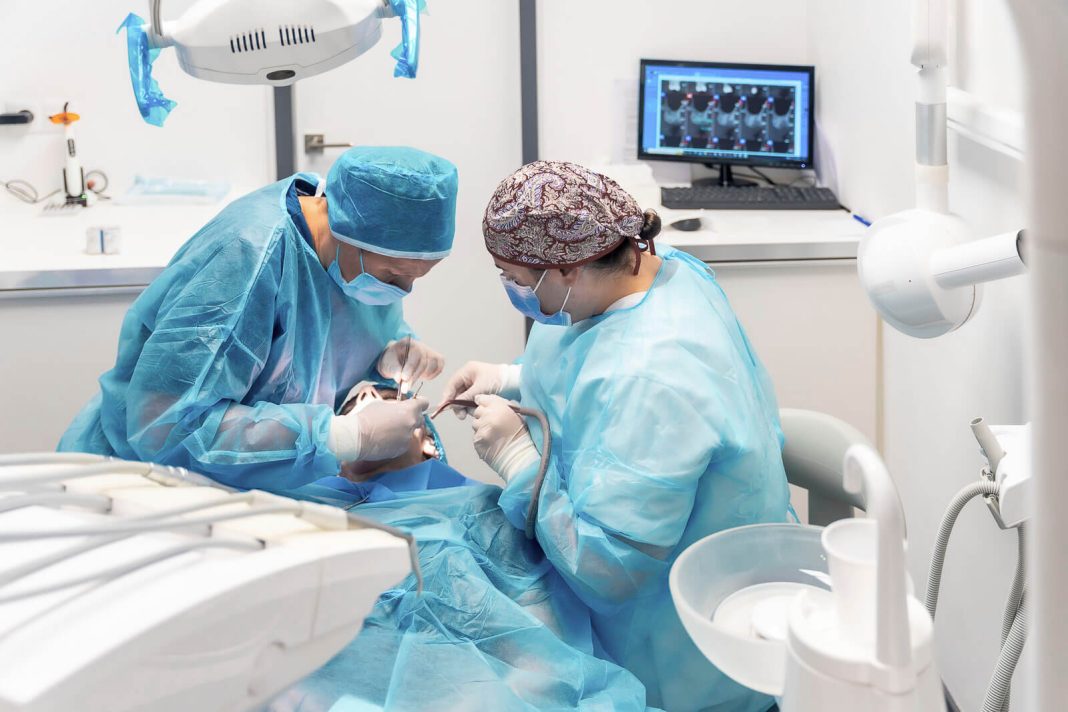
Maxillofacial surgery is a specialized field focused on conditions involving the jaws, facial bones, mouth, and temporomandibular joints (TMJ). Unlike routine dental care, it addresses deeper structural and functional problems that often require advanced surgical planning. These may include jaw misalignment, facial asymmetry, TMJ disorders, airway obstruction, and complications from previous jaw surgeries.
One of the most overlooked aspects of jaw health is its relationship with breathing and sleep. Improper jaw positioning can narrow the airway, contributing to conditions like obstructive sleep apnea. TMJ disorders, on the other hand, may lead to chronic headaches, facial pain, neck tension, and ear-related symptoms. Treating these issues effectively often requires understanding how jaw structure, joint health, and muscle function interact.
Revision jaw surgery represents one of the most complex challenges in this field. Patients who have undergone prior procedures may experience lingering pain, bite instability, or progressive joint deterioration. These cases require careful evaluation because scar tissue, altered anatomy, and previous surgical outcomes must all be considered to achieve long-term stability and function.
TMJ disorders also vary widely in severity and cause. While some cases respond to conservative treatment, others involve structural joint damage such as disc displacement or degenerative changes. In advanced situations, surgical intervention may be necessary to restore jaw function and reduce pain, emphasizing the importance of accurate diagnosis rather than symptom-based treatment alone.
Because of this complexity, working with an experienced Maxillofacial Surgeon is particularly important for patients dealing with chronic jaw pain, TMJ pathology, airway concerns, or failed previous treatments. Specialized expertise allows for comprehensive evaluation and individualized treatment planning tailored to each patient’s anatomy and condition.
Advancements in imaging, surgical techniques, and treatment planning have significantly improved outcomes in recent years. Modern approaches now prioritize long-term stability, joint preservation, and functional improvement rather than short-term correction alone.
Understanding the role of maxillofacial surgery helps patients recognize when jaw-related symptoms may point to deeper structural issues. With proper evaluation and expertise, even complex jaw conditions can be managed in a way that supports both function and quality of life.a