

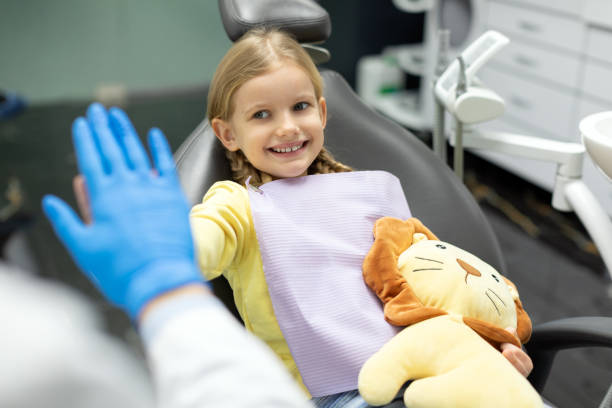

Healthy oral habits start with small choices that you repeat each day. You brush, you floss, and you watch what you eat. These simple steps shape your mouth, your comfort, and your confidence for decades. Early habits protect your teeth, gums, and jaw. They also lower your need for urgent care, extractions, or even help from a dental implants dentist in Crest Hill, IL later in life. Strong routines in childhood carry into adulthood. They guide how you care for your body, how you handle stress, and how you show up at work and at home. Poor habits do the opposite. They steal sleep, drain money, and cause pain that lingers. This blog explains how early choices about brushing, flossing, and checkups lead to lifelong benefits. You will see clear steps you can take today for yourself and for the children who depend on you.
Why Your Mouth Health Affects Your Whole Body
Your mouth is not separate from the rest of your body. When teeth or gums hurt, you eat less, sleep less, and move less. In time that strain spreads.
- Tooth decay can limit what you chew.
- Gum disease can link to heart and blood problems.
- Ongoing pain can affect mood, focus, and grades at school.
The Centers for Disease Control and Prevention shows that poor oral health in children connects to missed school days and lower grades. You can read more at the CDC Oral Health page here: https://www.cdc.gov/oralhealth/index.html.
When you build steady habits early, you lower these risks. You protect more than teeth. You protect daily life.
Key Habits To Start Early
You do not need complex routines. You only need three strong habits that you repeat.
- Brush twice a day with fluoride toothpaste for two minutes.
- Clean between teeth once a day with floss or another cleaner.
- Visit a dentist for checkups and cleanings on a regular schedule.
The American Dental Association explains that fluoride helps prevent tooth decay and supports weak spots in teeth. You can see clear guidance here: https://www.ada.org/resources/ada-library/oral-health-topics/fluoride-toothpaste.
These habits sound simple. Yet when you start them early in life and keep them, they change your future.
How Early Habits Shape Long Term Health
Habits are like tracks in snow. The first steps feel hard. Future steps follow the same path with less effort. When you teach a child to brush at the same time each day, the brain links that act to waking up and bedtime. In adulthood that pattern stays. It takes less effort and less thought to do the right thing.
Early habits help in three ways.
- They protect baby teeth, which guide adult teeth into better spots.
- They lower fear of the dentist, since visits feel normal and safe.
- They build a sense of control over health and money.
When a child learns that a toothbrush and floss can stop pain before it starts, that child grows into an adult who acts early instead of waiting for a crisis.
Short Term Effort, Long Term Savings
Many people delay care until pain forces action. That choice often leads to more cost and more time off work or school. Early habits and regular visits cost less in the long run.
The table below shows a simple comparison. Exact costs vary, but the pattern is clear. Prevention is cheaper than repair.
Typical Lifetime Pattern: Prevention Versus Late Treatment
| Type of Care | Usual Timing | Common Examples | Impact Over Time
|
|---|---|---|---|
| Preventive care | Childhood through adulthood | Cleanings, fluoride, sealants, small fillings | Lower pain, fewer missed days, lower total cost |
| Late treatment | After years of decay or gum disease | Root canals, extractions, crowns, implants | More pain, more time off, higher total cost |
When you teach and model brushing, flossing, and regular visits, you protect your budget and your time. You also lower the chance that you or your child will need complex work later in life.
Age By Age: What You Can Do
You can support strong oral habits at every stage. You do not need special tools. You need steady action and clear limits.
Babies and Toddlers
- Wipe gums with a clean cloth after feedings.
- Brush first teeth twice a day with a tiny smear of fluoride toothpaste.
- Do not put a child to bed with a bottle of milk or juice.
- Schedule a first dental visit by age one or when the first tooth appears.
School Age Children
- Use a pea sized amount of fluoride toothpaste.
- Help or check brushing until at least age seven or eight.
- Limit sugary drinks and snacks to mealtimes.
- Ask about sealants for back teeth to protect chewing surfaces.
Teens And Young Adults
- Keep twice a day brushing and daily flossing.
- Talk about tobacco, vaping, and alcohol and how they affect teeth and gums.
- Use a mouthguard for sports to prevent broken teeth.
At each stage, your message is the same. Teeth matter. Daily care shows self respect.
How To Support A Child Who Resists
Many children fight brushing. That does not mean you give up. It means you adjust your approach.
- Keep a short routine. Two minutes can feel long. Use a simple song or timer.
- Let the child choose a toothbrush and toothpaste flavor.
- Brush your own teeth at the same time so you model the habit.
If fear of the dentist is strong, call ahead. Ask the office to explain each step to your child. Small steps and clear words can turn fear into trust.
When Problems Still Happen
Even with strong habits, teeth can still chip, move, or decay. That is not a failure. That is a sign to act early. Call a dentist when you see any of these signs.
- White or dark spots on teeth.
- Red, swollen, or bleeding gums.
- Bad breath that does not go away after brushing.
- Ongoing pain when chewing or drinking.
Quick care can often fix small problems before they grow. Early action keeps more options open. It can also reduce the need for complex treatment later.
Your Next Three Steps
You can start today, even if your past habits were weak. The past does not decide your future care. Your next three steps do.
- Set fixed times each day for brushing.
- Buy fluoride toothpaste, floss, and a soft brush for each person in your home.
- Schedule a checkup and cleaning if it has been more than six months.
You protect your future when you care for your mouth today. Every small choice counts. Every routine you build for a child is a quiet gift that lasts a lifetime.