

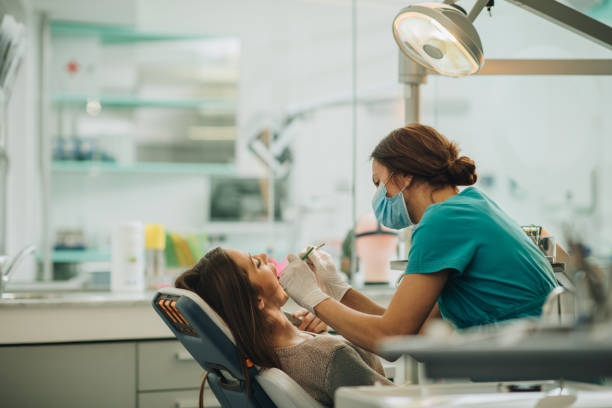

Healthy teeth do more than help you chew. They shape how you speak, smile, and feel about yourself every single day. Preventive care protects that. You lower your risk of pain, infection, and high bills when you act early instead of waiting for a problem. This guide shares six simple steps you can use at home and at your Scarsdale dental office to keep your smile steady all year. You will see how to brush, floss, eat, and schedule visits in a way that fits real life. You will also learn how small daily choices add up to strong teeth and steady gums. No tricks. No quick fixes. Just clear actions you can start today. These steps work for children, adults, and older adults. They also help if you already have fillings, crowns, or implants. You deserve a mouth that feels calm and clean every day.
1. Brush the right way twice a day
You hear it often. Still, how you brush matters as much as how often you brush. Poor brushing can leave plaque behind. That leads to cavities and bleeding gums.
Use these steps morning and night.
- Use a soft bristle brush and fluoride toothpaste.
- Hold the brush at a slight angle to the gumline.
- Use small gentle circles on each tooth.
- Brush outer, inner, and chewing surfaces.
- Brush your tongue to cut germs and odor.
The American Dental Association explains that two minutes of brushing is enough if you cover every surface.
2. Floss once a day to clean between teeth
A brush cannot reach the tight spots between teeth. Food and plaque stay stuck. That is where many cavities and gum problems start. Flossing removes this hidden buildup.
Follow this simple routine.
- Use about 18 inches of floss.
- Wrap most of it around your middle fingers.
- Guide the floss gently between teeth with your index fingers and thumbs.
- Curve it into a C shape against one tooth.
- Move it up and down. Then switch to the next tooth.
If string floss is hard for you, you can try floss picks or a water flosser. The exact tool is less important than using one every day. You protect your gums. You also cut your risk of tooth loss later in life.
3. Choose tooth smart drinks and snacks
What you eat and drink all day affects your teeth. Sugar feeds bacteria. Those bacteria make acid that eats away enamel. Acidic drinks can harm enamel even when they have no sugar.
Use this table as a quick guide.
| Choice | Better for teeth | Less helpful for teeth
|
|---|---|---|
| Drinks | Water, plain milk, unsweet iced tea | Soda, sports drinks, energy drinks, fruit juice |
| Snacks | Cheese, nuts, fresh fruit, cut veggies, yogurt without added sugar | Candy, cookies, chips, sticky fruit snacks, gummies |
| Timing | Short snack times, water between meals | All day sipping or grazing on sweets or starches |
Water is your best daily drink. It rinses away food bits and weak acids. Cheese and nuts help protect enamel. Sticky and sour snacks cling to teeth and sit there. That raises your risk for cavities even if you brush later.
4. Visit your dentist regularly
Regular checkups find small problems early. That means simpler care and less pain. It also means lower cost. Most people do well with a visit every six months. Some need more frequent visits. Your dentist will guide you.
During a visit you can expect three things.
- A cleaning to remove plaque and tartar.
- A check of teeth, gums, and mouth tissue.
- Advice that fits your age, health, and habits.
The National Institute of Dental and Craniofacial Research explains how exams and cleanings protect your mouth and general health.
5. Protect teeth from injury and grinding
Teeth face damage during sports, sleep, and stress. You can lower that risk with simple protection.
- Use a mouthguard during contact sports or activities like biking or skating.
- Ask about a night guard if you grind your teeth in your sleep.
- Avoid using teeth to open bottles or tear packages.
Broken or worn teeth can hurt and may need crowns or other treatment. A guard is often cheaper than fixing damage. It also helps you avoid sudden emergencies that disrupt school or work.
6. Build daily routines for the whole family
Good habits stick when you tie them to daily routines. This matters for children and adults. You protect your mouth when you make dental care as routine as washing hands.
Try these three steps.
- Link brushing to set times. For example, right after breakfast and right before bed.
- Use a timer or song for two minutes so children know when they are done.
- Keep a small dental kit with a brush, paste, and floss in a bag or desk.
Children copy what they see. When they watch you brush and floss, they learn that this care is normal. Older adults may need help with supplies or reminders. Simple support can prevent painful problems later.
Putting the six tips together
Each tip works on its own. Together they form a strong shield for your mouth. You brush and floss every day. You choose water and tooth smart snacks. You schedule regular visits. You protect teeth from hits and grinding. You build routines that keep everyone on track.
You do not need perfection. You need steady effort. Small changes today can spare you years of pain and fear. They can also help you smile with more ease in photos, at work, and with family. Your teeth should help you live your life, not control it. You can start with one tip this week. Then add the next one. Your mouth will thank you every single day of the year.