

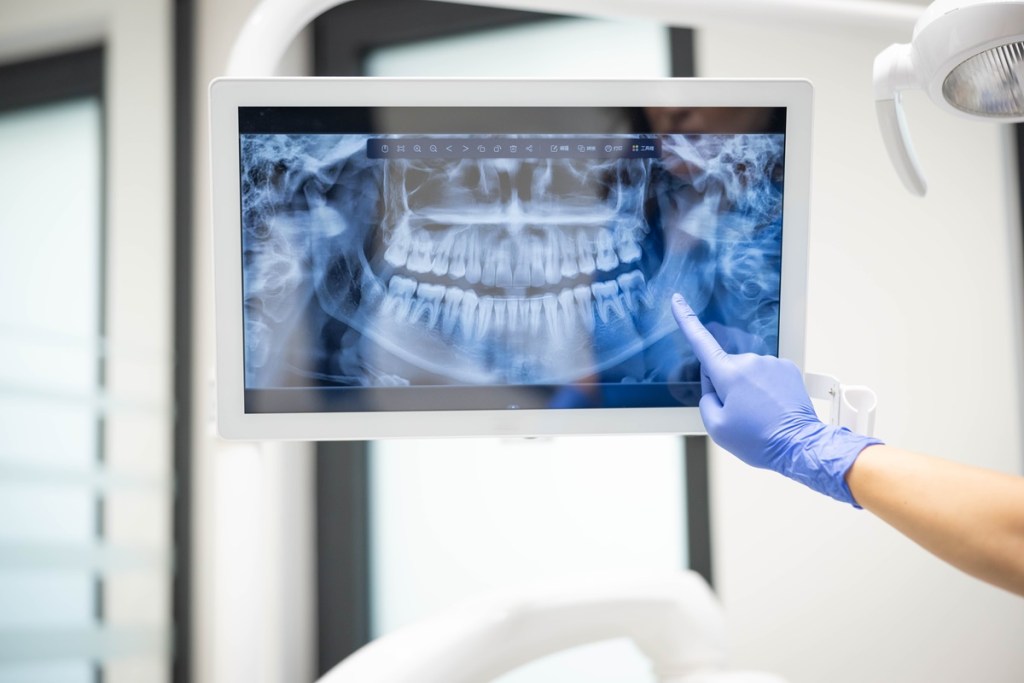

A dental visit can stir fear in any child. The bright lights, new sounds, and strange tools can feel overwhelming. You can change that. With simple steps, you can help your child walk into the office with trust instead of dread. This blog shares 5 clear tips you can use before the visit even starts. You will learn how to talk about the appointment, what to bring, and how to shape your child’s expectations. You will also see how your own stress can affect your child’s nerves. With the right plan, the visit becomes calmer for your child and easier for you. These tips apply whether this is the first checkup or the tenth. They also support care in any clinic, including Artesia dental care. Your effort today can shape how your child feels about dental health for years.
1. Use simple words to explain what will happen
Children fear what they do not understand. You can lower that fear with clear and honest words.
First, explain the goal. You can say, “The dentist counts your teeth and checks that they are strong.” Use words your child already knows. Avoid words like “hurt” or “shot.” If your child asks whether something hurts, stay honest without strong drama. You can say, “You might feel a quick pinch. It stops fast.”
Next, walk through the visit in three short steps.
- First, you sit in a big chair that leans back.
- Then the dentist looks in your mouth and counts your teeth.
- Last, you get your teeth cleaned, and then you can go home.
You can use books and short videos to support this talk. The American Academy of Pediatric Dentistry gives simple lessons for parents on what to expect at a child’s checkup. Use those facts to guide your words so your child hears one clear message.
2. Practice the visit at home through play
Practice turns fear into routine. A short “pretend visit” at home lets your child feel more in control.
You can do a three-step play routine.
- First, pretend to be the dentist. Ask your child to open their mouth. Count their teeth out loud. Use a clean spoon as a pretend mirror.
- Next, switch roles. Let your child be the dentist and use a toy on their teeth. This turn gives your child power and lowers tension.
- Last, end with something steady. Read a story or share a snack that does not stick to teeth.
Keep practice short. A few minutes is enough. You can repeat this a few days before the visit. Children learn through repetition. Each calm practice builds trust.
3. Plan the right time, snacks, and comfort items
Timing and small details matter for children. They affect mood and behavior in the chair.
First, choose the time of day when your child is calm and rested. Morning visits work better for many children. A tired child cries more and fights more.
Second, think about food and drink. The Centers for Disease Control and Prevention explains that sugary snacks and drinks raise the risk of tooth decay. Before the visit, give a small snack that does not stick to teeth. You can use cheese, nuts, or plain yogurt. Avoid candy and soda before the visit. If your child needs water, offer it before you leave home.
Third, pack comfort items. A few small things can calm your child.
- A favorite small toy or stuffed animal
- A light blanket
- Headphones for music or a story
Tell the dental staff about these items when you arrive. Many offices support their use during the visit. They want your child to feel safe.
4. Manage your own fear and body language
Children read your face, voice, and posture. If you feel tense, your child senses that tension and reacts.
First, notice your own thoughts about dentists. If you had pain in the past, your body may still react. Before you talk to your child, take slow breaths. Remind yourself that pediatric care uses kinder tools and methods now.
Next, choose your words with care. Avoid stories about your own painful visits. Avoid jokes about drills. Use calm, short sentences. You can say, “The dentist helps keep your teeth strong so you can eat and smile.”
Also, watch your body language. Keep your shoulders loose. Keep your voice steady. Sit close to your child in the waiting room. Hold a hand if your child wants that. Your calm presence is a strong shield.
5. Set clear rewards and routines after the visit
A child needs something steady to look forward to. A simple reward plan gives structure and comfort.
You can set the plan a day before the visit. Explain that after the dentist, you will do something special together. Choose a reward that does not focus on food. You can use a trip to the park, a new book, or extra story time at night.
Pair this with a steady routine at home. After the visit, keep brushing and flossing at the same time each day. Children feel safe when they know what comes next.
Sample reward ideas and their effects
| Reward type | Example | How it supports your child
|
|---|---|---|
| Shared time | One-on-one trip to the park | Builds trust and warmth with you |
| Creative activity | Drawing or craft time at home | Lets your child express feelings after the visit |
| Small non food gift | Sticker, book, or small toy | Marks the visit as a success to remember |
Putting it all together
You can prepare your child by using three simple steps. Explain what will happen. Practice the visit through play. Plan the timing, food, and comfort items. You can then control your own body language and set a reward that feels safe and kind.
Each visit you handle with care builds trust. Over time, the dental office can feel like a normal part of life, not a threat. That trust protects your child’s teeth and also supports your child’s sense of safety in medical settings. Your steady presence, clear words, and simple plan make the difference every time.