

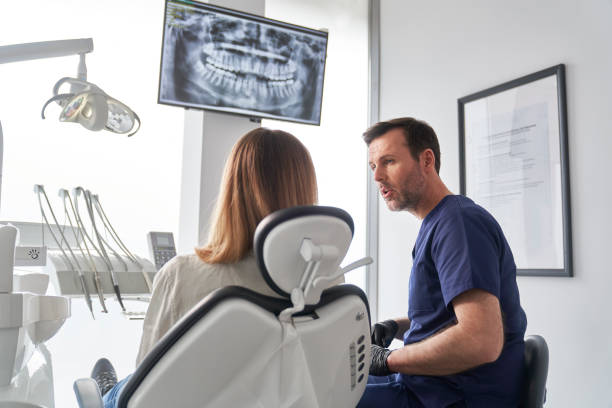

Aging changes your teeth, gums, and jaw. You might notice wear, dryness, or loose teeth. You might also feel nervous about smiling. Preventive dentistry protects you before small problems grow into pain, infection, or tooth loss. Regular cleanings, exams, and simple treatments lower your risk of cavities, gum disease, and broken teeth. They also help you keep eating, speaking, and smiling with ease. A trusted Rancho San Diego dentist can spot problems early, explain clear options, and guide you through each step. Routine visits also support health beyond your mouth, since gum disease links to heart disease, diabetes, and breathing problems. You deserve a smile that feels strong and steady. You also deserve care that respects your age, your time, and your comfort. This blog explains how preventive care works, what to expect at visits, and how small daily habits protect your smile.
How Aging Affects Your Mouth
Your mouth changes over time. These changes are common. They still need attention.
- Gums pull back and expose roots of teeth.
- Saliva flow drops from some medicines.
- Existing fillings crack or leak.
Gum recession raises your risk of root cavities. Dry mouth raises your risk of tooth decay and infection. Old dental work can break and trap food or bacteria.
The National Institute of Dental and Craniofacial Research explains that older adults face higher rates of untreated decay and gum disease.
Why Prevention Matters More As You Age
Prevention keeps small issues from turning into emergencies. It also protects your money and your time.
Regular care helps you:
- Avoid sudden toothaches.
- Reduce need for root canals or extractions.
- Keep dentures or partials fitting well.
Pain in your mouth can affect eating and sleep. It can also drain your mood. When you protect your teeth, you protect daily life. You keep control instead of waiting for a crisis.
Key Preventive Services For Seniors
Your dental team uses simple steps to keep your mouth steady.
- Cleanings. Remove plaque and hard buildup that brushing misses.
- Exams. Check teeth, gums, jaw joints, and bite.
- X rays. Find decay between teeth and under fillings.
- Fluoride treatments. Strengthen enamel and exposed roots.
- Sealants on roots or deep grooves. Protect weak spots from decay.
- Oral cancer screening. Spot color changes or lumps early.
These steps are quick. They prevent larger work like crowns, extractions, or implants.
Daily Habits That Protect Your Smile
What you do at home matters as much as the dental office.
- Brush twice each day with fluoride toothpaste.
- Clean between teeth every day with floss or small brushes.
- Rinse with a fluoride mouthwash if your dentist supports it.
- Sip water often. Limit sweet drinks.
- Do not smoke or vape.
The Centers for Disease Control and Prevention confirms that brushing with fluoride toothpaste and regular dental visits lower tooth decay and tooth loss in older adults.
Preventive Care Versus Delayed Treatment
Waiting often costs more and hurts more. The table below shows how early care compares to delayed care for common problems.
| Problem | If Treated Early | If Treatment Is Delayed
|
|---|---|---|
| Small cavity | Simple filling. Short visit. Lower cost. | Large decay. Root canal or extraction. Higher cost. |
| Mild gum bleeding | Cleaning and home care changes. Gums heal. | Advanced gum disease. Bone loss. Loose teeth. |
| Dry mouth | Review medicines. Saliva support. Fewer cavities. | Rapid decay. Broken teeth. Pain with eating. |
| Cracked filling | Replace filling. Protect tooth strength. | Tooth breaks. Crown or extraction needed. |
| Denture sore spot | Quick adjustment. Comfortable chewing. | Open sores. Infection. Trouble eating. |
Connecting Oral Health To Whole Body Health
Gum disease is linked to heart disease, stroke, and diabetes control. Inflammation in your mouth can spread through your blood. It can strain your immune system. It can also raise blood sugar in people with diabetes.
When you lower gum infection, you lower body stress. You may also need fewer hospital visits and fewer medicines. You support your heart, your lungs, and your brain by caring for your gums.
Protecting Your Confidence And Relationships
Missing or painful teeth affect more than chewing. They affect how you connect with others.
- You may hide your smile in photos.
- You may avoid social meals.
- You may speak less because of worry about breath or loose teeth.
Preventive dentistry keeps your smile steady. It keeps your breath fresh. It keeps your teeth ready for daily life. You stand taller when you trust your smile.
How Family Members Can Help
Caregivers and family can support strong oral health.
- Help schedule and track dental visits.
- Offer rides and company for appointments.
- Set up a daily brushing and flossing routine.
- Watch for signs of pain, swelling, or bleeding.
If a loved one has memory loss, you can remind them to brush, place supplies in clear view, and talk with the dentist about simple tools like large handled brushes.
Taking Your Next Step
You deserve a mouth that lets you eat, laugh, and speak without fear. You also deserve care that feels calm and clear. Preventive dentistry gives you that path. It uses regular visits and steady home habits to protect what you already have.
Start by booking a checkup. Bring a list of medicines and questions. Ask about your risk for cavities, gum disease, and oral cancer. Then follow a simple plan that fits your life. Each small step guards your health, your comfort, and your confidence.