

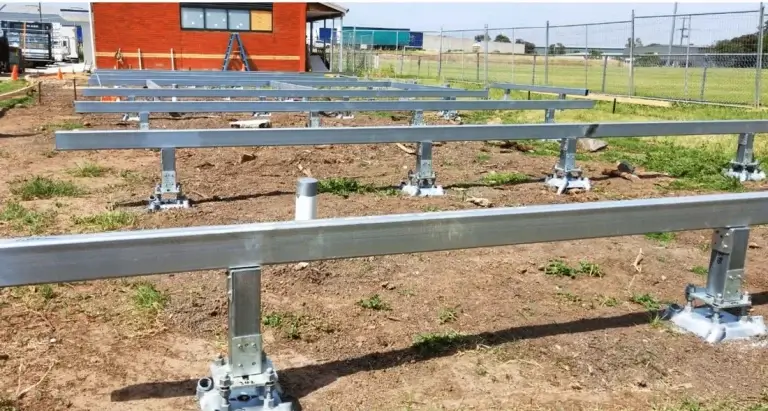

Establishing a stable and durable foundation is one of the most important aspects of any construction project, which is why piling construction is widely used across residential, commercial, and infrastructure developments. When surface soil conditions are not strong enough to support a structure, piling provides a reliable method of transferring loads to deeper, more stable layers.
Piling construction involves the installation of long structural elements, known as piles, into the ground to support buildings and other structures. This technique ensures that the weight of the structure is evenly distributed and that the foundation remains stable over time.
Understanding The Basics Of Piling Construction
Piling construction is used when shallow foundations are not suitable due to weak or unstable soil conditions. Piles are driven, drilled, or screwed into the ground until they reach a layer capable of supporting the load.
These piles act as structural supports, transferring the weight of the building to deeper layers. This process helps prevent issues such as settlement, shifting, or structural instability.
Types Of Piling Methods Used In Construction
There are several methods used in piling construction, each suited to specific conditions and requirements. Driven piles are installed using mechanical force, while bored piles are created by drilling and filling with concrete.
Screw piles, also known as helical piles, are installed by rotating them into the ground. Each method has its advantages, and the choice depends on factors such as soil type, load requirements, and site conditions.
Applications Across Residential And Commercial Projects
Piling construction is used in a wide range of projects, from residential homes to large commercial and industrial developments. In residential construction, it is often used in areas with unstable soil or where additional support is required.
In commercial and infrastructure projects, piling is essential for supporting heavy loads and ensuring long-term stability. Bridges, high-rise buildings, and industrial facilities commonly rely on piling systems.
Enhancing Structural Stability And Load Distribution
One of the key benefits of piling construction is its ability to provide enhanced stability. By transferring loads to deeper layers, piles ensure that the structure remains balanced and secure.
Efficient load distribution reduces the risk of uneven settlement, which can lead to structural damage. This makes piling an essential technique for maintaining the integrity of buildings.
Durability And Performance In Challenging Conditions
Piling systems are designed to perform in challenging environments, including areas with soft soil, high water tables, or varying ground conditions. High-quality materials and proper installation ensure long-term durability.
This resilience makes piling construction suitable for a wide range of applications, particularly in areas where traditional foundations may not be effective.
Design And Engineering Considerations
Designing a piling system requires careful analysis of soil conditions, load requirements, and environmental factors. Engineers conduct soil tests to determine the appropriate type and depth of piles.
Proper design ensures that the foundation can support the structure effectively and maintain stability over time. This step is critical for achieving reliable results.
Efficiency And Construction Timelines
Piling construction can be an efficient process, particularly with the use of modern equipment and techniques. Installation can often be completed quickly, allowing projects to progress without significant delays.
Efficient piling methods contribute to shorter construction timelines, supporting project completion within scheduled deadlines.
Cost Efficiency And Long-Term Value
While piling construction may involve higher initial costs, it provides long-term value by ensuring structural stability and reducing the risk of future repairs. The reliability of piling systems helps prevent costly issues related to foundation failure.
This makes piling a practical investment for projects where stability and durability are priorities.
Maintenance And Inspection Practices
Although piling systems are designed for durability, regular inspection is important to ensure their continued performance. Monitoring helps identify any potential issues that may arise over time.
Proper maintenance practices ensure that the foundation remains stable and reliable, contributing to the longevity of the structure.
Conclusion
Piling construction is a critical method for establishing strong and stable foundations in modern construction projects. By transferring loads to deeper, more stable layers, it ensures structural integrity and long-term performance. With careful design, proper installation, and regular maintenance, piling systems provide a reliable solution for supporting a wide range of buildings and infrastructure.