

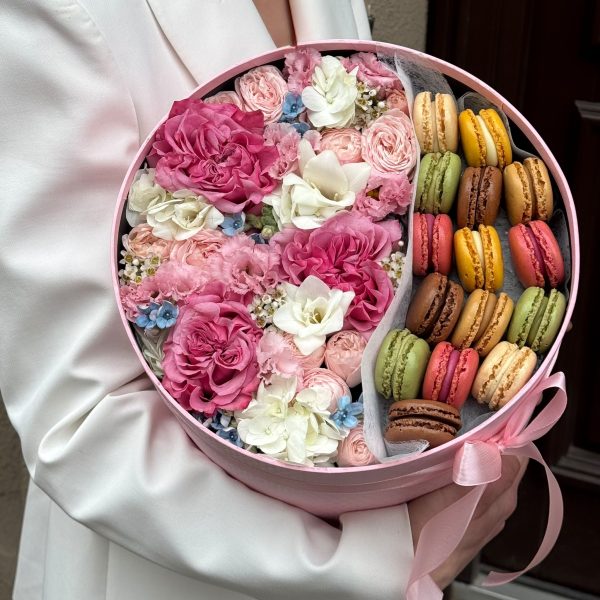

In an era driven by on-demand consumer expectations, cold-chain perishables require unprecedented levels of precision. While standard courier networks prioritize speed and volumetric efficiency, high-end botanical transport operates on an entirely distinct axis. The evolution of flower delivery logistics has shifted from simple expedited shipping to complex micro-climate engineering, where humidity levels, ambient temperatures, and vibration mitigation determine the final presentation of delicate flora. Forward-thinking operations, such as established Northern European market benchmark Krokus ziedu salons, showcase how modern floristry increasingly relies on specialized logistical infrastructure rather than traditional static retail models.
The Thermal Engineering of Modern Fleet Micro-Climates
Cut flowers are living biological specimens undergoing active respiration and transpiration. Once harvested, their shelf-life degrades exponentially if exposed to thermal fluctuations. Traditional refrigerated vans often run standard HVAC setups designed for food products, which maintain low temperatures but inadvertently strip ambient moisture from the cargo compartment. This dehydrates delicate petals and causes vascular collapse in structural stems.
To combat this, contemporary transport networks utilize multi-zoned micro-climate cargo spaces. Modern systems integrate three fundamental layers of environmental regulation:
- Vapor-Saturated Cooling: Maintaining temperatures strictly between 2°C and 5°C with sustained 85–90% relative humidity to prevent petal desiccation.
- Ethylene Absorption Filters: Integrating specialized potassium permanganate air scrubbers that neutralize ambient ethylene gas emitted by ripening organic matter.
- Airflow Redistribution: Utilizing laminar airflow flooring to prevent localized hotspots and ensure even cooling without direct, abrasive wind buffeting on sensitive blooms.
According to an authoritative international logistics benchmark by the International Air Transport Association (IATA), uninterrupted temperature-controlled handovers can preserve post-harvest longevity by up to 40% compared to standard dry-chain operations.
Urban Routing Protocols and Last-Mile Precision
Even with advanced thermal control, the final mile represents the most vulnerable phase of the cold chain. Navigating dense urban traffic introduces external thermal shocks every time delivery bay doors open, exposing conditioned spaces to summer heatwaves or freezing winter air. As a result, route optimization platforms in this niche do not merely calculate the shortest physical path; they account for real-time sun exposure, street vibration metrics, and door-opening frequency.
To handle high-density metropolitan distribution, dedicated regional service providers such as ziedu piegāde Rīgā illustrate how tight operational radiuses and climate-calibrated courier vehicles can deliver live arrangements without breaking thermal integrity. By segmenting fleets into localized dispatch clusters, transit times are compressed into precise micro-windows, shielding tender stems from transit stress.
Vibration Damping and Kinetic Stability
Beyond atmospheric factors, physical movement within vehicles often causes mechanical stress on floral stems. High-frequency road vibration can loosen petals, crack tender foliage, and disrupt water uptake mechanisms in floral foam or reservoir packaging. Contemporary floral logistics systems employ specialized kinetic mitigation technologies:
- Air-Ride Suspension: Pneumatic vehicle dampening tuned specifically for light, fragile cargo profiles.
- Modular Dynamic Racking: Spring-tensioned modular shelving that isolates individual containers from lateral g-forces during urban cornering.
- Bespoke Hydration Reservoirs: Sealed water capsules with viscosity-modified nutrient solutions that eliminate spillage while sustaining ongoing hydration.
Telemetry, Traceability, and the Future of Custom Botanical Logistics
The modernization of perishable transit is rapidly moving toward real-time granular traceability. Fleet vehicles are increasingly outfitted with Internet of Things (IoT) data loggers mounted directly within the cargo racks. These sensors continuously monitor relative humidity, thermal variation, and g-force impacts, transmitting telemetry directly to dispatch dashboards. Should interior conditions stray from safe biological parameters, automated alerts prompt drivers to adjust climate presets immediately.
This rigorous logistical oversight becomes even more critical when managing complex, high-value artistic compositions. Intricate designer creations—such as customized ziedu pušķi that incorporate rare, multi-origin stems with varying structural sensitivities—require individualized handling plans rather than generic bulk sorting. When premium arrangements are tracked via end-to-end telemetry, the customer receives botanical designs that retain their peak natural vigor, fully uncompromised by the logistics chain.
Setting the Standard in Botanical Supply Chains
Modern flower delivery logistics has evolved into a sophisticated discipline blending thermodynamics, software engineering, and botanical science. By integrating closed-loop micro-climate transport, responsive urban dispatch networks, and real-time sensory telemetry, modern logistics operators ensure that perishable beauty arrives in showroom condition. As consumer expectations for rapid, intact delivery continue to expand globally, these specialized cold-chain systems will define the industry standard for fragile freight.