

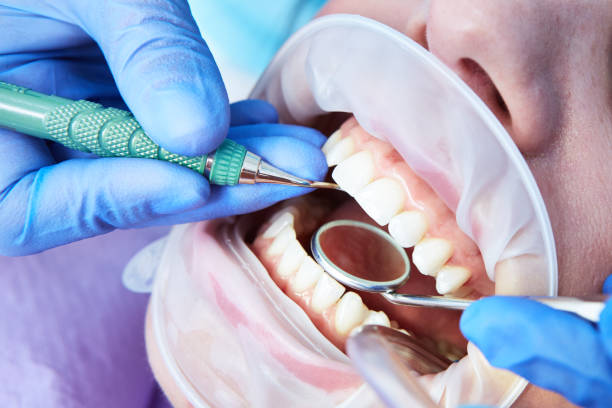

You may hear more people talk about immediate dental implants. You may wonder why. The answer is simple. You want your smile back fast. You want to chew without pain. You want to avoid months of waiting with a gap in your mouth. Immediate implants place a strong post right after tooth removal. This can help protect bone, keep your gums in shape, and support a new tooth sooner. Many patients feel less fear when they know they will not leave with an empty space. An Oral Surgeon in Warren, NJ can review your health, your jaw, and your goals. Then you can understand if this option fits you. You deserve clear facts, honest guidance, and a plan that respects your time and comfort.
What “Immediate” Implants Really Mean
With a traditional implant, your tooth comes out. Then you wait. Bone heals. Months pass before a screw and crown go in place. During that time, you may wear a flipper or stay with a gap.
With an immediate implant, the surgeon removes the tooth and places the implant post in the same visit. Often, you leave with ashort-termm tooth that fills the space. You see a tooth in the mirror from day one. You still need healing. You still need time before a final crown. Yet you do not walk out with an open space.
Why More People Ask About Immediate Implants
Three main reasons drive this choice.
- You protect your appearance in social and work life
- You keep normal speech and chewing in many cases
- You reduce the number of surgical visits
People feel worn down by long treatment plans. Many juggle work, school, and kids. Fewer visits and faster tooth replacement feel like relief. You also see a clear path forward. That calms fear.
How Immediate Implants Compare To Traditional Implants
| Feature | Immediate Implant | Traditional Implant
|
|---|---|---|
| Timing of implant post | Same visit as tooth removal | Months after tooth removal |
| Gap in smile | Often no gap. A short-term tooth fills the space | Gap or removable flipper during healing |
| Number of surgical visits | Usually fewer visits | Usually more visits |
| Bone support | Implant can help support bone right away | Bone can shrink before the implant goes in |
| Who may qualify | People with healthy bone and gums | More people qualify, even with weaker bones |
| Short term limits | Soft diet while bone heals around the implant | Soft diet at times during stages |
Benefits You May Notice In Daily Life
You care about how treatment feels in real life. You may notice three clear wins.
- Confidence. You smile and speak without hiding your mouth
- Function. You can often chew soft food on that side within your plan
- Routine. You miss fewer days from work and school
These gains matter for you and your family. A parent can read to a child without worrying about a loose flipper. A teen can return to class without a front gap. A worker can speak in meetings without feeling exposed.
Who May Be A Good Candidate
Immediate implants are not for everyone. You may be a strong candidate if you have three things.
- Healthy gums with no heavy infection in the tooth site
- Strong bone in the jaw where the implant will go
- Good daily brushing and flossing habits
Your surgeon also looks at tobacco use, medical history, and any grinding. You may need extra care if you have diabetes or other long-term health needs. The surgeon may order a cone beam CT scan to see the bone in three views. That gives clear data for safe planning.
You can read more about who may qualify for implants from the National Institute of Dental and Craniofacial Research. That page explains what implants are and the common steps.
What The Science Says About Immediate Implants
Research shows that when placed with care, immediate implants can have success rates close to traditional ones. The key is careful case choice and clean surgery. Strong bone contact and no active infection help the implant join with bone.
Studies also show that bone can shrink fast in the first months after a tooth is pulled. Placing an implant right away may help support the ridge and gum shape. That can help your final crown look closer to a natural tooth.
You can see general information about tooth loss and implants from the Centers for Disease Control and Prevention. That source shows how common tooth loss is in adults.
What To Expect Before And After Surgery
You meet with the surgeon for a full exam. You share your health history. You talk about your goals. You review X-rays and scans. Together you decide if an immediate implant is safe for you.
On surgery day, you get numbing medicine and sometimes medicine to help you relax. The tooth comes out. The surgeon cleans the site. Then the implant post goes into the bone. In many cases, a short-term crown or healing cover goes on top.
After surgery, you rest at home. You use cold packs and medicine as directed. You follow a soft diet for a set time. You keep the site clean with gentle rinsing and brushing. Over the next few months, bone grows around the implant. Later, you return for a custom crown that matches nearby teeth.
Questions To Ask Your Surgeon
You have the right to clear answers. You can ask three simple questions.
- Is an immediate implant safe for my tooth and my health?
- What are my other options if I do not choose this path
- What will the next twelve months look like for visits, cost, and healing
Honest answers help you feel steady. You can then choose the plan that protects your health, your time, and your peace of mind.