


Walk through any busy factory or distribution centre at the end of a long shift and you will notice the same things. Fine dust settling on machine guards. A film of oil near the loading dock. Pallet wrap tangled around a forklift wheel. None of it looks dramatic on its own, but it adds up. In Sydney, where plenty of businesses run on tight margins in older buildings and crowded industrial estates, the state of the floor says a lot about how the whole operation is going.
Cleaning in these places is nothing like wiping down an office. The mess is heavier, the equipment is bigger and the risks are real. This article looks at what makes industrial and warehouse cleaning different, what a sensible routine looks like, and how to pick the right help for your site.
Why a Messy Site Costs More Than Most Owners Realise
Many managers see cleaning as an overhead, something that comes off the bottom line and gives nothing back. In practice the opposite is usually true. A dirty site quietly drains money in ways that rarely show up on a single invoice.
Start with accidents. Oil on a concrete floor, loose packaging in an aisle or a build-up of dust around electrical panels can cause slips, trips and, in the worst cases, fires. One lost-time injury can cost far more than a full year of regular cleaning once you add up wages, paperwork, insurance and the disruption to everyone else on shift.
Then there is equipment. Dust and grime work their way into motors, conveyors and bearings. Machines run hotter, wear faster and tend to break down at the worst possible moment. Maintenance teams often say that half their call-outs could have been avoided with a cleaner workspace.
Finally, there is reputation. Clients and auditors who visit your site form a view within minutes. A tidy, well-organised floor tells them you take quality seriously. A grubby one makes them wonder what else is being missed.
What Industrial Cleaning Really Involves
Ordinary commercial cleaning deals with desks, bathrooms and carpets. Factories, workshops and processing plants need something quite different, and that is where Industrial Cleaning Services Sydney businesses depend on come in. These teams typically handle high-pressure washing, degreasing of floors and machinery, removal of industrial dust, cleaning of overhead structures and safe disposal of waste that regular bins cannot take.
The equipment is part of the difference. Ride-on scrubbers, industrial vacuums with HEPA filtration, steam cleaners and pressure washers can lift what a mop never will. The people using them also need proper training, because cleaning around live machinery, chemicals or confined spaces comes with its own risks.
Timing matters as well. Many plants cannot stop production for long, so good crews work around your shifts, often at night or over the weekend. They plan the job so lines can restart on time and nothing is left damp, slippery or half finished.
Different industries bring different problems. A food manufacturer worries about hygiene and cross-contamination. A metal fabricator deals with swarf, coolant and oil. A packaging plant fights fine dust and paper fibre. A cleaner who understands your particular process will always do a better job than one who treats every site the same.
Warehouses Have Their Own Set of Headaches
A warehouse may look simple compared with a production line, yet keeping one clean is a real challenge. The floors are huge, the racking is tall and there is constant movement from forklifts, trucks and people on foot. Dust drifts down from high shelving and settles on stock. Tyre marks, spilled liquids and broken pallet timber collect in the busiest lanes.
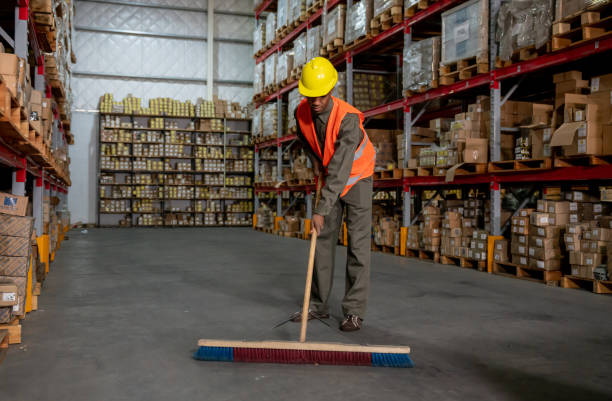
That is why many operators bring in specialist Warehouse Cleaning Sydney teams rather than leaving it to a few staff with brooms at the end of the day. A dedicated crew can sweep and scrub large floor areas quickly, clean the tops of racking, clear dock areas and remove the rubbish that slowly piles up in corners and behind equipment.
Pests are another quiet problem. Spilled food, cardboard and damp corners attract rodents and insects, and once they move into stock you may be looking at write-offs and some awkward conversations with customers. Regular cleaning removes the food and shelter that pests are looking for.
Air quality also deserves attention. Dust sitting on high beams is easy to forget, but it falls whenever doors open and fans run. Staff with allergies or asthma notice it first, and sensitive goods such as electronics, medical supplies or packaged food can be harmed by it.
Building a Cleaning Routine That Actually Sticks
The best-run sites do not rely on one big clean once a year. They split the work into layers, so small jobs are handled often and heavy jobs are scheduled ahead. A simple structure looks like this:
- Daily: sweep walkways and loading areas, empty bins, wipe shared touchpoints and deal with spills the moment they happen.
- Weekly: scrub floors in high-traffic lanes, clean amenities and break rooms, and clear dust from accessible equipment.
- Monthly: wash down machinery housings, clean racking and high surfaces, and check drains and sumps.
- Yearly: deep clean the whole facility, including roofs, gutters, ceilings and hard-to-reach structures.
Write the plan down and make it visible. When everyone knows who is responsible for what, jobs stop falling through the cracks. It also helps to walk the site with your cleaning provider before agreeing on a schedule. They will usually spot problems you have stopped noticing, such as a leaking pipe that keeps wetting the same patch of floor.
Safety and Compliance Cannot Be an Afterthought
In New South Wales, businesses have a legal duty to provide a safe workplace, and cleanliness is part of that. Regulators look at housekeeping when they investigate incidents, and poor standards can count against you. Clear walkways, controlled dust, proper chemical storage and tidy emergency exits are basic expectations rather than extras.
Combustible dust is a good example. In flour mills, timber workshops and some chemical plants, fine particles can ignite if they build up and meet a spark. Regular, careful cleaning with the right vacuum equipment is one of the simplest ways to reduce that risk.
Chemical handling matters just as much. Degreasers and solvents need correct storage, labelling and disposal. Any contractor working on your site should be able to show you safety data sheets, explain how waste leaves the premises and prove their people are trained and insured. If they cannot answer those questions quickly, keep looking.
The Effect on People and Productivity
People notice when their employer looks after the place where they spend most of their week. A clean break room, tidy lockers and well-kept amenities send a simple message: you matter. Teams in cleaner workplaces tend to report fewer small injuries, take fewer sick days and hold on to good habits like returning tools to their spot.
Productivity follows. When aisles are clear and equipment is easy to find, pickers and operators waste less time searching or working around obstacles. Supervisors spend less time chasing minor problems and more time on work that moves the business forward. None of these gains is huge on its own, but across a year and a full roster they add up quickly.
Looking After the Environment Too
Industrial washing produces runoff that can carry oil, chemicals and fine particles. In Sydney, where stormwater drains eventually reach local waterways, that is a serious matter. Good contractors capture wash water, use bunding and filters where needed, and choose biodegradable products when the job allows. Ask how they manage runoff before work begins, since responsibility for what leaves your site stays with you.
How to Choose the Right Cleaning Partner
Price is the first thing most people compare, but it should not be the last. The cheapest quote often leaves out equipment, after-hours work or waste removal, and you end up paying for extras later. A few questions are worth asking before you sign anything:
- Have you cleaned sites like mine before, and can I speak to a current client?
- What training, licences and insurance does your crew hold?
- Will the same team attend each time, or does the roster change constantly?
- How do you handle emergencies, such as a sudden spill or a failed inspection?
- What do your reports look like, and how will I know the work was done?
Pay attention to how they communicate, too. A provider who visits the site, asks about your processes and explains the plan in plain language is usually one who will turn up on time and do the job properly. Vague answers and pushy sales talk tend to be warning signs.
Final Thoughts
A clean industrial site is safer, cheaper to run and easier to be proud of. It protects your people, keeps machines working and gives customers confidence in what you deliver. Whether you handle some of the work in-house or bring in experienced Industrial Cleaning Services Sydney operators for the heavy lifting, the aim is the same: a workplace where nobody has to step around a hazard to get the job done.
Start small, stay consistent and review the plan every few months. Over time the difference shows up in fewer incidents, fewer breakdowns and a team that takes more pride in where they work.