


Losing even one tooth can have a significant impact on your daily life. While traditional bridges and removable dentures have been used for decades, the most advanced and natural solution today is the Single Tooth Dental Implant. This treatment replaces a missing tooth with a permanent, stable, and aesthetically pleasing alternative that blends seamlessly with your natural smile.
What is a Single Tooth Dental Implant
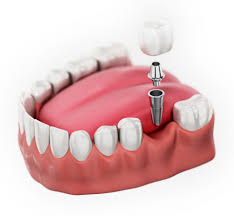
A Single Tooth Dental Implant consists of a small titanium post that is surgically placed into the jawbone, serving as a replacement root for the missing tooth. Once the implant integrates with the bone, a connector known as an abutment is attached, and finally, a custom-made crown is secured on top. The result is a restoration that looks, feels, and functions just like a natural tooth.
Unlike traditional dental bridges, which require adjacent teeth to be filed down and used for support, a single implant stands on its own. This preserves the health of surrounding teeth while providing a long-lasting solution that restores both function and appearance.
Why Choose a Single Tooth Dental Implant
Replacing a missing tooth is not only about appearance—it also plays a critical role in oral health. A gap in the smile can cause surrounding teeth to shift out of place, leading to misalignment and bite problems. It can also create challenges in chewing and speaking clearly. Over time, the jawbone beneath the missing tooth may begin to deteriorate due to lack of stimulation.
A Single Tooth Dental Implant addresses all of these concerns. Because the implant fuses with the jawbone, it helps maintain bone strength and structure. It also ensures that the replacement tooth is stable enough to withstand everyday use, allowing patients to eat their favorite foods without discomfort or worry.
The Treatment Process
The journey to restoring a smile with a Single Tooth Dental Implant begins with a detailed consultation. During this visit, the dentist evaluates oral health, takes scans or x-rays, and determines whether the jawbone is strong enough to support an implant. If the bone is insufficient, additional procedures such as bone grafting may be recommended to prepare the area.
Once suitability is confirmed, the implant procedure itself is performed under local anesthesia or sedation for comfort. The titanium post is placed into the jawbone, and a healing period follows to allow the bone to fuse with the implant. After this stage, the abutment is attached, and a custom crown is designed to match the shape, color, and size of the surrounding teeth. The finished result is a restoration so natural that most people cannot distinguish it from the original tooth.
Long-Term Benefits of a Single Tooth Dental Implant
One of the greatest advantages of choosing a Single Tooth Dental Implant is durability. With proper care, implants can last for decades, making them a long-term investment in oral health. They are resistant to decay and provide stability unmatched by other tooth replacement options.
Another important benefit is the preservation of surrounding teeth. Traditional bridges rely on adjacent teeth for support, which can weaken them over time. A single implant, however, does not compromise neighboring teeth and allows them to remain strong and healthy.
From a cosmetic perspective, implants restore confidence by creating a natural-looking smile. Patients often report improved self-esteem, greater comfort in social settings, and renewed enthusiasm in professional environments after receiving an implant.
Caring for Your Implant
Maintaining a Single Tooth Dental Implant is simple and very similar to caring for natural teeth. Daily brushing and flossing, combined with regular dental check-ups, ensure the implant and surrounding gums remain healthy. While implants cannot decay, the tissues around them must be protected from conditions such as gum disease to ensure long-term success. With consistent care, implants often last a lifetime.
Why a Single Tooth Dental Implant is Superior to Alternatives
Compared to removable dentures, which can slip or feel uncomfortable, implants provide unmatched stability and comfort. Unlike bridges, they do not involve altering healthy teeth for support. Instead, they integrate with the jawbone, offering a permanent and independent solution that functions like a real tooth.
For patients, this means greater convenience, enhanced oral health, and the peace of mind that comes with a restoration designed to last. A Single Tooth Dental Implant is often considered the most advanced and effective method of replacing a missing tooth in modern dentistry.
Conclusion
A missing tooth can affect more than your appearance—it can impact your oral health, confidence, and overall quality of life. Choosing a Single Tooth Dental Implant provides a reliable, natural, and long-term solution that restores function and aesthetics. With its ability to preserve jawbone health, protect surrounding teeth, and deliver a natural look and feel, this treatment stands out as the best option for replacing a single missing tooth.
By consulting with an experienced dentist, patients can take the first step toward restoring their smile and enjoying the comfort and confidence that comes with a strong, healthy tooth replacement. With a Single Tooth Dental Implant, the gap in your smile can be transformed into a lasting foundation for both health and happiness.