

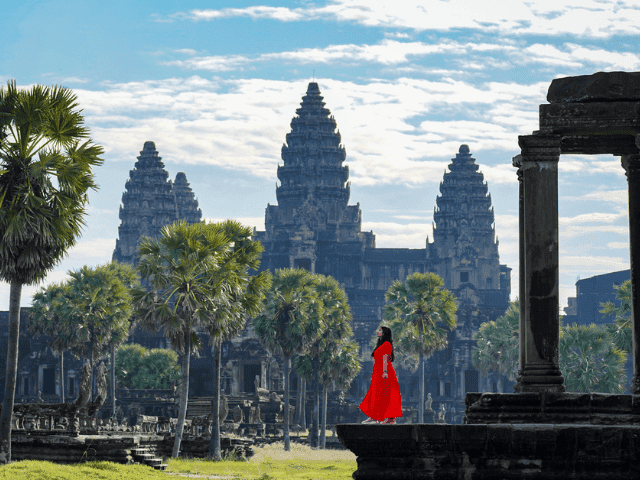

Vietnam is one of those rare destinations where tradition still lives in everyday life. Between its ancient cities, peaceful countryside, vibrant food culture, and warm community spirit, travelers quickly discover that Vietnam is far more than beautiful landscapes—it’s a place where culture is felt, not just observed. If you want your trip to go beyond typical sightseeing, there are countless ways to experience Vietnam the way locals do. Many travelers plan cultural-focused trips when choosing Vietnam vacation packages so they can move past the surface and truly connect with the country.
Here’s how you can step into the heart of Vietnam and discover its authentic soul.
1. Why Should You Join Local Food Experiences Instead of Eating in Tourist Areas?
Vietnam’s food is world-famous, but the flavors you taste in tourist restaurants often lack the soul that makes Vietnamese cuisine special. If you want to experience the real thing, join a street-food tour led by locals or spend time in family-run eateries where the recipes have been passed down for generations.
Imagine slurping a bowl of steaming phở at 6 a.m. while scooters hum around you, or biting into a crispy bánh mì made by a baker who wakes up before sunrise to prepare fresh baguettes. In cities like Hanoi, Ho Chi Minh City, Hoi An, and Hue, food is not just a meal—it’s a piece of cultural identity, and locals take immense pride in every flavor.
Cooking classes are another wonderful option. You get to visit local markets, learn how to pick ingredients, and cook side-by-side with Vietnamese home cooks. It’s intimate, educational, and unforgettable. Many cultural-focused Vietnam vacation packages now include hands-on culinary experiences because travelers want to understand the country’s traditions through its food.
2. What Makes Vietnam’s Local Markets a Cultural Window?
Markets in Vietnam are not just places to shop—they are vibrant social spaces where life unfolds. From morning vegetable markets in small rural towns to bustling night markets in big cities, each market offers a glimpse into the daily rhythm of local communities.
You’ll see vendors chatting with regular customers, grandparents bargaining happily, and farmers proudly displaying their fresh produce. Whether it’s the floating markets in the Mekong Delta or the craft markets in the northern highlands, every part of Vietnam has its own market culture, each shaped by history and geography.
Visiting these markets helps you understand what Vietnamese families value, how they eat, how they celebrate, and how they preserve traditions. The more time you spend wandering through these lively spaces, the more you feel connected to the people who make Vietnam so special.
3. How Can Staying in Community-Based Homestays Enrich Your Experience?
Homestays have become one of the most meaningful ways to immerse yourself in Vietnamese culture. Instead of staying in a standard hotel, you can live with a local family, share meals with them, and learn about their lifestyle in an authentic, respectful setting.
In northern regions such as Sapa, Ha Giang, and Pu Luong, ethnic minority communities offer beautifully crafted stilt houses where you can stay overnight. You’ll wake up to misty rice terraces, join your hosts for herbal baths, enjoy home-cooked dishes, and sometimes even take part in ceremonies or dances.
In central and southern regions, homestays near rivers, coconut farms, and rural villages allow you to enjoy a slower pace of life. Here, you might learn to fish, make rice paper, pick fresh herbs, or help prepare traditional meals. These meaningful connections often become travelers’ favorite memories.
If you book through the best travel agency in Vietnam, you’ll likely find curated homestays that prioritize comfort, safety, and community benefit.
4. Why Should You Participate in Local Crafts and Traditional Workshops?
Vietnam is known for its artisans, many of whom continue to use traditional methods preserved for centuries. Taking part in a hands-on workshop connects you to these cultural roots in a way that simple sightseeing can’t.
In Hoi An, lantern-making workshops are incredibly popular. You get to choose the colors and patterns and create your own lantern that symbolizes good luck and happiness. In Hanoi’s Bat Trang village, you can learn how to mold and paint ceramics, while in Hue you can discover the delicate art of making conical hats (nón lá).
These workshops not only help preserve traditional craftsmanship but also allow you to take home something meaningful—a reminder of a skill you learned directly from dedicated artisans.
5. What Does Exploring Rural Vietnam Teach You About the Country?
To truly understand Vietnam, step outside the cities and spend time in its rural landscapes. This is where culture feels deeply rooted and unchanged. Whether you’re cycling through rice paddies in Ninh Binh, boating along coconut canals in Ben Tre, or walking through peaceful villages in the Red River Delta, every corner of rural Vietnam has its own stories.
You’ll meet farmers who still cultivate their fields the way their ancestors did, craftsmen working on age-old trades, and families who welcome travelers with warmth and curiosity. Spending time in these regions helps you appreciate the slower lifestyle, strong community bonds, and deep respect for nature that define Vietnamese culture.
Many Vietnam vacation packages now include countryside activities specifically for travelers seeking authenticity, and it’s one of the best decisions you can make.
Final Thoughts
Experiencing authentic Vietnamese culture isn’t about rushing from one attraction to another—it’s about slowing down, engaging with locals, and embracing the experiences that reveal the country’s character. Vietnam is warm, welcoming, and incredibly rich in traditions, and the more time you spend connecting with its people, the more rewarding your journey becomes.
If you plan your trip through the best travel agency in Vietnam or choose well-curated tours, you’ll find plenty of opportunities to explore beyond typical tourist routes and discover the country’s true spirit.
Vietnam is ready to welcome you—not just as a visitor, but as a part of its story.
FAQs
1. Is it easy to interact with locals in Vietnam?
Yes. Vietnamese people are warm, friendly, and often excited to share their culture with travelers. Even if you don’t speak the language, simple gestures and smiles go a long way.
2. Do I need a guide to explore cultural experiences?
Not always, but a knowledgeable guide can offer richer insights, especially when visiting ethnic communities, craft villages, and historical areas.
3. Are homestays comfortable for international travelers?
Most homestays that are part of organized Vietnam vacation packages offer clean, comfortable rooms and hygienic meals. They provide an authentic yet safe experience.
4. Is Vietnamese street food safe to try?
If you choose busy stalls with high turnover, street food is generally safe and incredibly delicious. Many travelers say it becomes the highlight of their trip.
5. Which region offers the most authentic cultural experiences?
Every region has its own unique charm. The north is known for ethnic cultures and mountains, the center for traditional crafts and heritage towns, and the south for river life and vibrant markets.