

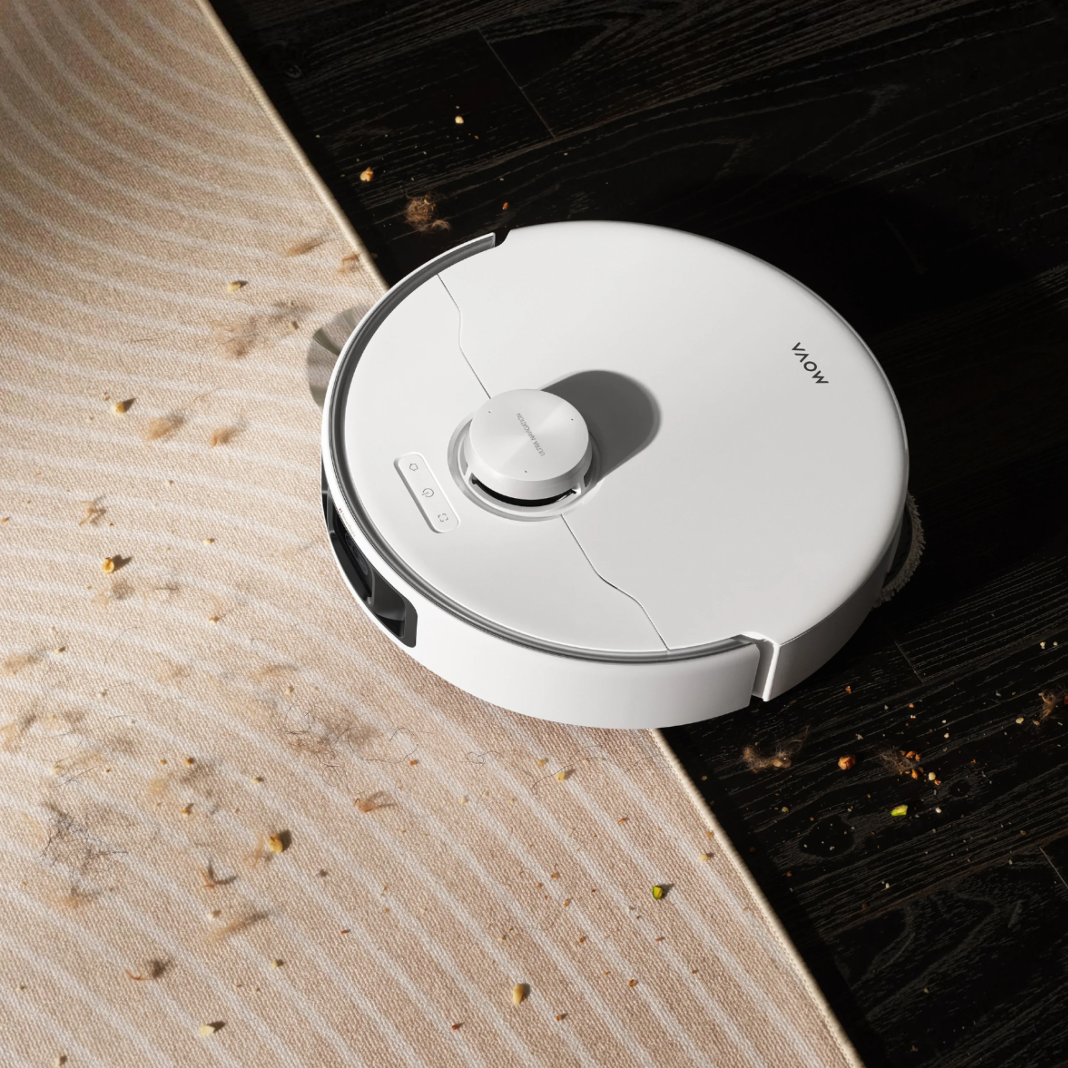

Many Canadian homes have a combination of hardwood floors and carpets. Hardwood may cover living rooms, kitchens, hallways, and dining areas, while bedrooms and basements often have carpets or area rugs.
This mixed flooring creates a challenge when choosing a robot vacuum. A model that performs well on hardwood does not necessarily deliver the same results on carpet. The ideal robot vacuum for hardwood and carpet should be able to transition between surfaces, adjust its cleaning performance, and handle different types of everyday debris.
Why Mixed Flooring Requires a Versatile Robot Vacuum
Different floors collect dirt in different ways.
On hardwood floors, dust, crumbs, pet hair, and small particles tend to remain on the surface. Effective suction and a well designed brush can pick up these particles without requiring excessive cleaning power.
Carpets are different. Dust and pet hair can become embedded between the fibers, making them more difficult to remove. A robot vacuum needs stronger suction and effective brush agitation to reach deeper into the carpet.
For Canadian households with both surfaces, choosing a robot that can adapt between floor types is usually more practical than selecting a model designed primarily for one type of flooring.
Suction Power Matters, but It Is Not Everything
Suction power is an important specification when comparing robot vacuums, particularly if your home contains carpets.
Higher suction can help remove embedded dirt and pet hair from carpet fibers. However, maximum suction is not always necessary on hardwood floors. Running the robot at its highest setting all the time can consume more battery power and may increase operating noise.
A better solution is a robot vacuum that offers multiple cleaning modes or automatically adjusts suction based on the surface it detects.
For example, a lower or standard cleaning mode may be sufficient for everyday hardwood maintenance, while a stronger setting can be used when the robot moves onto carpet.
Look for Automatic Floor Recognition
Automatic surface recognition can make a significant difference in a mixed flooring home.
A robot that can identify carpet and hardwood can adjust its cleaning strategy as it moves from one room to another. This reduces the need to manually change settings every time the robot crosses a flooring transition.
Some models can also increase suction automatically when they detect carpet. This can improve debris pickup in bedrooms and other carpeted areas while maintaining efficient cleaning on hard floors.
For homeowners with several different flooring types, this type of automation can make regular cleaning much easier.
The Brush Design Is Also Important
Suction alone does not determine cleaning performance.
The main brush helps loosen dirt from carpets and collect hair and debris from hard floors. However, long hair can wrap around the brush, particularly in homes with dogs or cats.
If you have pets, look for an anti tangle brush design that reduces hair buildup and makes maintenance easier.
The brush should also be easy to remove and clean. Even a high performance robot vacuum will need occasional maintenance, especially when it operates frequently in a home with shedding pets.
Hardwood Floors Need Gentle, Consistent Cleaning
Hardwood floors require a slightly different approach from carpets.
Instead of focusing only on maximum suction, consider how effectively the robot collects fine dust, crumbs, and hair without scratching or damaging the floor.
Soft or appropriately designed brushes can help protect suitable hardwood surfaces while still collecting everyday debris.
If you want a robot that can also mop, check whether its mopping system is appropriate for your particular hardwood flooring. Some hardwood floors may not be suitable for wet cleaning, so always follow the flooring manufacturer’s recommendations.
Carpets Benefit From Deeper Cleaning
Carpeted rooms often require more aggressive cleaning because dirt can settle below the surface.
When comparing a robot vacuum for hardwood and carpet, look for strong suction, effective brush agitation, and automatic carpet detection.
The type of carpet also matters. Low pile carpets are generally easier for robot vacuums to clean and navigate, while thicker carpets and rugs may require more powerful cleaning performance.
If your home has area rugs, consider how the robot handles transitions between hard floors and rugs. A good robot should be able to move between surfaces without repeatedly getting stuck or requiring manual assistance.
Consider Your Cleaning Modes
Different cleaning modes can help homeowners customize performance according to the room.
A standard mode may work well for everyday cleaning, while a stronger mode can be useful for carpets, areas with heavy foot traffic, or rooms where pets spend a lot of time.
Some robot vacuums also offer room specific cleaning through their companion apps. This allows homeowners to clean a carpeted bedroom more thoroughly while using a lighter cleaning setting elsewhere.
Scheduled cleaning can also help maintain mixed flooring consistently. Instead of waiting until floors become visibly dirty, you can run regular cleaning cycles throughout the week.
Navigation Becomes More Important in Larger Homes
Canadian homes can vary considerably in size and layout, from compact condos to multi room suburban houses.
Reliable navigation helps the robot clean different rooms systematically rather than repeatedly covering the same areas.
Mapping technology can also allow homeowners to create room specific cleaning schedules, define no go zones, and direct the robot to high traffic areas.
For homes with furniture, cables, pet toys, and other objects on the floor, obstacle avoidance can further reduce the amount of supervision required.
What Is the Best Robot Vacuum for Hardwood and Carpet?
There is no single model that is ideal for every mixed flooring home. The right choice depends on your flooring types, carpet thickness, pets, home size, and preferred level of automation.
For mostly hardwood homes, prioritize efficient dust and hair pickup, gentle cleaning performance, and reliable navigation. For homes with extensive carpeting, stronger suction, effective brush agitation, and automatic carpet recognition become more important.
If you have both hardwood and carpet, the most practical option is usually a versatile robot vacuum that can automatically adapt to different surfaces.
By focusing on suction power, brush design, floor recognition, cleaning modes, navigation, and maintenance, Canadian homeowners can choose a robot vacuum that performs consistently across the different flooring found throughout their homes. A well matched robot can then handle everyday dust, crumbs, pet hair, and carpet debris with much less manual effort.