

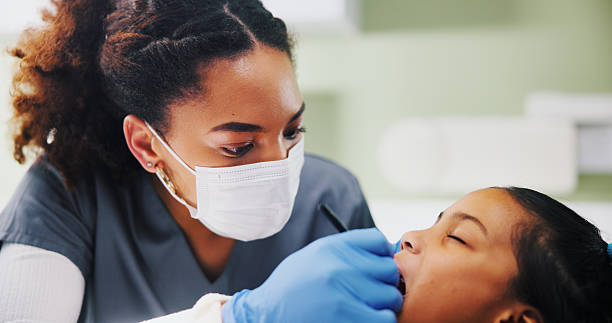

Your smile affects how you feel about yourself every day. Preventive dentistry protects that smile before problems grow painful or expensive. You brush and floss. You try to eat well. Still, small issues can hide between teeth or along the gumline. Regular cleanings, exams, and early treatment stop decay, gum disease, and tooth loss. They also help you avoid urgent visits that drain your time and money. Through simple steps, you keep your natural teeth strong, your breath fresh, and your bite steady. Honolulu cosmetic dentistry can then build on this healthy base, not fix what routine care could have prevented. You gain a smile that looks good and feels steady when you talk, eat, or laugh. Preventive dentistry does not chase perfection. It protects what you already have so you can move through each day with calm, steady confidence.
What Preventive Dentistry Really Means
Preventive dentistry is simple. You and your dental team work together to stop problems before they start.
It usually includes three parts:
- Daily home care with brushing and flossing
- Regular checkups and cleanings
- Early treatment when small issues appear
According to the Centers for Disease Control and Prevention, cavities remain one of the most common chronic conditions in children and adults. Yet cavities grow slowly. You can stop many of them with early action.
How Prevention Protects Your Mouth
Preventive care guards the three main parts of your mouth. Teeth. Gums. And your bite.
- Teeth. Fluoride, sealants, and cleanings help block decay.
- Gums. Careful cleanings and home care reduce bleeding and swelling.
- Bite. Early checks find clenching, grinding, and jaw strain.
You avoid deep cavities, infected roots, and loose teeth. You also avoid long visits that leave you tired and worried.
Prevention Versus Treatment
Prevention and treatment both have a place. Yet they carry different costs and stress. The table below shows a simple comparison.
| Type of dental visit | Typical purpose | Time in chair | Common cost level | Impact on comfort
|
|---|---|---|---|---|
| Routine checkup and cleaning | Prevent problems | Short | Lower | Mild and brief |
| Small filling | Repair early cavity | Moderate | Medium | Temporary soreness |
| Root canal and crown | Save badly damaged tooth | Long | Higher | Strain during and after |
| Tooth removal and replacement | Handle tooth loss | Multiple visits | Highest | Physical and emotional burden |
Early care keeps you in the first row more often. That protects both your health and your budget.
Why Prevention Supports Confidence
A healthy mouth changes how you move through your day. You speak more clearly. You laugh without covering your mouth. You eat with less fear of cracking a tooth or feeling a sharp sting.
Three key benefits drive that quiet confidence:
- Steady appearance. Clean teeth and firm gums look natural and calm.
- Fresh breath. You worry less during close talks at work or at home.
- Reliable chewing. You enjoy meals instead of avoiding certain foods.
Children also feel this effect. Regular care helps them face school, sports, and photos without shame or fear.
Simple Habits That Make A Big Difference
You do not need complex routines. You need steady habits.
Focus on three daily steps:
- Brush two times each day with fluoride toothpaste
- Floss once each day to clean between teeth
- Limit sugary drinks and snacks, especially between meals
Then add three office habits:
- See your dentist every six months or as advised
- Ask about sealants for children and teens
- Report pain, swelling, or bleeding early
The National Institute of Dental and Craniofacial Research notes that these simple steps cut the risk of tooth decay and tooth loss. Small effort now prevents deep regret later.
How Prevention Supports Cosmetic Care
Many people want whiter teeth or a more even smile. Yet cosmetic work rests on health. A strong foundation comes first.
When your teeth and gums stay healthy, cosmetic care can focus on shape and color, not repair. You may need less drilling. You may keep a more natural tooth structure. You may also see better long-term results because your gums stay firm around any veneers or crowns.
Think of preventive visits as steady ground. Cosmetic care then becomes a choice, not a rescue plan.
Helping Your Family Stay On Track
Family routines shape oral health for years. Children watch what adults do. You can guide them with three simple moves.
- Brush together for two minutes and use a timer
- Make dental visits part of the school year plan
- Offer water instead of sweet drinks between meals
You also support older family members. Ask about dry mouth, trouble chewing, or pain. Encourage them to keep regular visits even if they use dentures or partials. Prevention protects every age group.
Taking Your Next Step
You do not need a perfect start. You only need the next clear step. Schedule your next checkup. Replace an old toothbrush. Cut one sugary drink each day. Each choice gives your mouth more strength and your smile more calm power.
Preventive dentistry respects your time, your money, and your emotional energy. It keeps small issues small. It lets you show your smile without fear. And it gives you something quiet and strong. Trust that daily care and regular visits will protect your confident, healthy smile for years.