

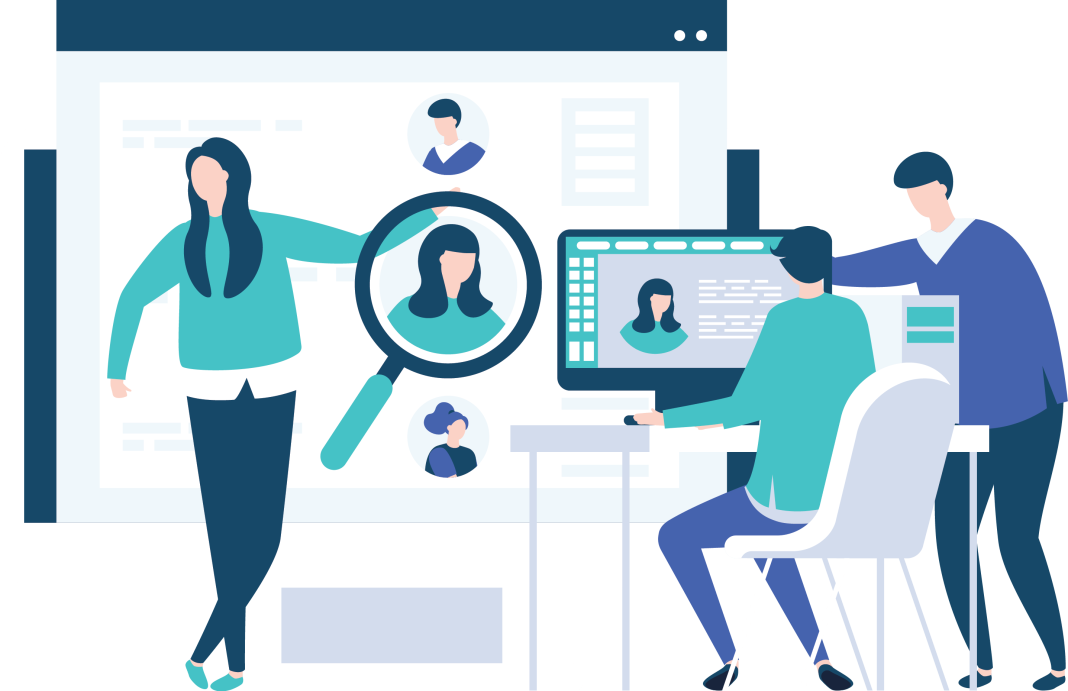

Hiring the right people has become more challenging than ever. With competitive job markets, evolving role demands, and an increasing emphasis on workplace culture, organizations need reliable ways to evaluate candidates beyond résumés and interviews. The cost of a mis-hire—lost productivity, team disruption, and turnover expenses—can be significant, especially in critical or customer-facing roles.
This is why many companies now rely on pre-employment screening tools to strengthen their hiring decisions. These tools provide deeper insight into candidates’ abilities, behaviors, and job fit, helping hiring teams predict performance more accurately and make fairer, more consistent decisions.
Why Traditional Hiring Methods Aren’t Enough
A résumé tells you what a candidate has done, not what they can do. Interviews, while useful, can be influenced by first impressions, interviewer bias, or a candidate’s conversational style.
When companies rely solely on these methods, they often face challenges such as:
- Difficulty distinguishing truly high-potential candidates
- Inconsistent evaluations across hiring managers
- Candidates who interview well but underperform on the job
- Increased turnover due to poor role fit
- Slow and inefficient screening processes
Employers need more dependable information earlier in the hiring cycle to avoid these pitfalls.
What Pre-Employment Screening Tools Measure
Modern screening tools evaluate the qualities that matter most for job success. Rather than relying on guesswork, they use data-driven methods to assess traits linked to strong performance.
Key focus areas typically include:
Cognitive Abilities
Critical thinking, problem-solving, and learning agility—traits that predict long-term success across many industries.
Behavioral and Personality Traits
Reliability, communication style, teamwork, motivation, adaptability, and other predictors of how a candidate will behave at work.
Job-Specific Skills
Technical skills, situational judgment, or simulations that mimic real work scenarios.
Work Ethic and Cultural Fit
Alignment with an organization’s values, pace, expectations, and environment.
These insights help organizations match candidates to roles where they will thrive.
Benefits of Integrating Screening Tools Into the Hiring Process
When used strategically, screening tools can transform hiring outcomes. Some of the top benefits include:
1. Better Hiring Accuracy
Objective data reduces guesswork and improves the likelihood of selecting high-quality candidates.
2. Lower Turnover
Employees who fit the job and culture stay longer, reducing costly churn.
3. Faster, More Efficient Screening
Tools help hiring teams identify qualified candidates earlier, speeding up decision-making.
4. More Fair and Consistent Evaluation
Every candidate is measured by the same criteria, increasing equity and reducing bias.
5. Improved Team and Role Alignment
Assessments reveal how a candidate’s traits complement the needs of the team and position.
6. Higher Employee Performance
By identifying traits linked to success, organizations build stronger, more capable workforces.
What to Look for in Effective Screening Tools
Choosing the right tools is essential—you want assessments that deliver reliable, research-backed insights without overwhelming candidates or hiring teams.
High-quality solutions typically offer:
Validated Assessment Instruments
Assessments should be scientifically proven to predict job performance, not just generic personality tests.
Customizable Competencies
Different roles require different skills. Flexibility ensures better fit and accuracy.
Easy-to-Read Reports
Hiring managers need clear, actionable data to support decisions.
User-Friendly Experience
Candidates should find the process simple, relevant, and respectful of their time.
Scalability
Whether hiring 5 or 500 people, the system should remain efficient.
Legal and Compliance Support
Validated tools help organizations follow best practices and defend hiring decisions if necessary.
Organizations seeking structured, research-backed hiring support often turn to modern pre-employment screening tools to gain clarity and confidence throughout the selection process.
How to Successfully Implement Screening Tools
Even the best tools require thoughtful integration into the hiring workflow.
1. Define What Success Looks Like
Before testing begins, clarify the traits and competencies that predict success in each role.
2. Introduce Assessments Early in the Process
Screening tools work best when used before interviews, enabling teams to prioritize top candidates.
3. Combine Tools With Structured Interviews
Assessments support—but do not replace—human judgment. Pairing both leads to better decisions.
4. Train Hiring Managers
Teams must know how to interpret results and use them consistently.
5. Review Long-Term Outcomes
Tracking retention and performance helps refine hiring criteria over time.
Mistakes to Avoid When Using Screening Tools
To maximize effectiveness, organizations should avoid common pitfalls:
- Using tests that lack validation or job relevance
- Over-focusing on scores without context
- Making assessments too lengthy
- Skipping communication with candidates about the purpose of testing
- Not offering hiring managers guidance on using results
When implemented correctly, screening tools enhance—not complicate—the hiring process.
Why Pre-Employment Screening Has Become a Talent Strategy Essential
Today’s success-driven organizations understand that hiring is not just about filling seats—it’s about building strong, lasting teams. As work becomes more complex, assessment-driven hiring provides the objectivity and predictive power organizations need to stay competitive.
Pre-employment screening tools help companies:
- Reduce hiring risks
- Improve job performance across teams
- Build balanced, high-performing workforces
- Strengthen diversity and inclusion through fair evaluation
- Make faster, more confident hiring decisions
These tools are no longer optional—they’re critical to modern talent acquisition.
Conclusion: Smarter Screening Leads to Stronger Teams
Great hiring decisions come from understanding both what a candidate has done and what they’re capable of doing next. Pre-employment screening tools offer a structured, science-based way to uncover those insights, helping organizations choose candidates who will succeed, grow, and contribute meaningfully.
For companies ready to enhance hiring quality, reduce turnover, and build a strong workforce foundation, integrating modern screening solutions is one of the most impactful steps they can take.