

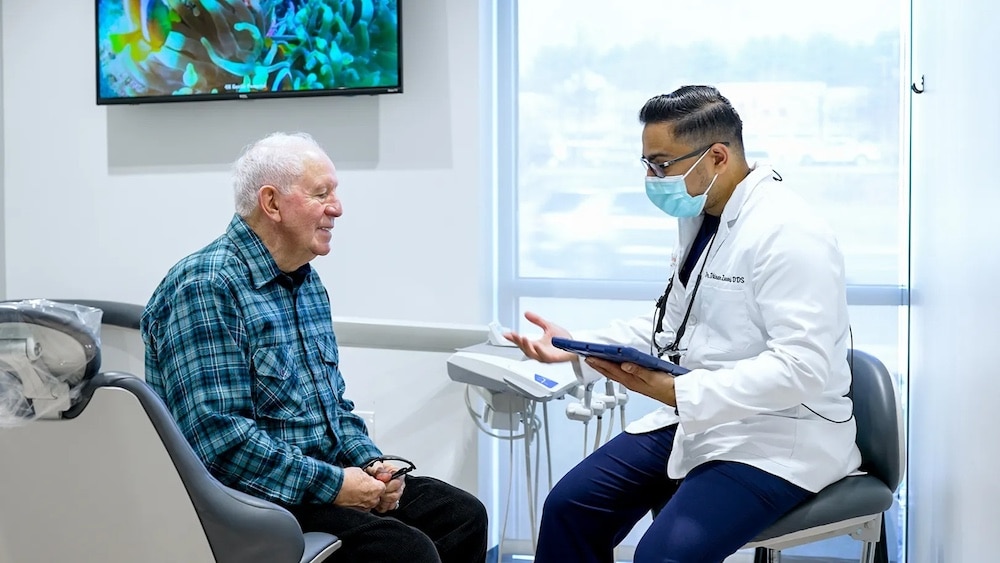

You see your smile every day. Yet you may not notice small changes that a camera can reveal in seconds. Dental photography now reshapes how you talk with your dentist about cosmetic work. Clear photos of your teeth and gums show color, shape, and wear that a mirror hides. They also record progress before and after treatment. As a result, you gain proof, not guesses. You and your Knoxville dentist can review images together on a screen. Then you can point to what bothers you and ask direct questions. This cuts confusion. It also helps you set real goals and avoid regret. Careful photos support clear plans, fair prices, and honest timelines. They can calm fear. They can also stop rushed choices. This blog explains how simple pictures now guide modern oral cosmetic consults and help you protect your future smile.
Why Photos Change Your Cosmetic Consult
A mirror gives one angle. A photo gives proof from many angles. That simple change affects three parts of your consult.
- You see what your dentist sees
- You understand treatment choices
- You track results over time
The camera turns an emotional talk about your smile into a clear review of facts. That reduces doubt. It also protects you from rushed promises or unclear plans.
Types of Dental Photos You May See
Your dentist may use several photo types during a cosmetic visit. Each one serves a different purpose.
- Face photos. Show how your teeth affect your whole face and smile line.
- Close tooth photos. Reveal stains, cracks, chips, and worn edges.
- Bite photos. Show how your teeth fit together when you close.
- Progress photos. Compare before and after treatment.
These photos help your dentist match your goals with safe treatment choices. They also help you explain what you want in plain terms, such as “short front teeth” or “dark corner tooth.”
How Photos Improve Your First Cosmetic Visit
During an oral cosmetic consult, you often feel a mix of hope and fear. Photos give structure to that visit in three steps.
- Document. The dentist takes clear photos of your teeth and smile.
- Review. You look at the images together on a screen.
- Plan. You discuss options that match what you see.
This process supports shared decisions. You are not just told what you “need.” You see it. You ask why. You approve the plan based on evidence.
For example, if you want whiter teeth, photos can show uneven color, older fillings, or thin enamel. That can change the choice from simple whitening to a mix of whitening and bonding. You stay in control because you understand the reason for each step.
Photos, Honesty, and Realistic Expectations
Dental photos can also protect your trust. They set realistic limits on what cosmetic care can do.
- You see existing wear on teeth that may not fully reverse.
- You learn how gum shape affects the final look.
- You see old work that may need repair before cosmetic changes.
The National Institute of Dental and Craniofacial Research explains that tooth loss and decay build over time. Photos help you see that history in your own mouth. That reduces shock. It also supports honest talks about what is safe and what may be risky for your teeth and gums.
Comparing Consults With and Without Dental Photography
| Consult Feature | Without Dental Photography | With Dental Photography
|
|---|---|---|
| Understanding of problems | Relies on dentist words and small mirror views | Relies on shared review of large photos on a screen |
| Trust in treatment plan | May feel like guesswork or pressure | Feels supported by clear visual proof |
| Ability to set goals | Goals stay vague, such as “better smile” | Goals become specific, such as “fix chipped front tooth” |
| Tracking results | Relies on memory of how teeth used to look | Uses before and after photo sets for each step |
| Family involvement | Hard to explain plans to family at home | Easy to share printed or digital photos for support |
Support for Children and Older Adults
Dental photography also helps during family visits. Children may feel fear when they sit in the chair. A photo on a screen can feel less scary than a mouth mirror. You can show a child a picture of a “sugar bug” on a tooth and explain brushing in simple terms.
Older adults may have complex needs. They may use medicines that affect dry mouth or gum health. The Centers for Disease Control and Prevention shares that tooth loss and gum disease rise with age. Photos help you and your loved one see problem spots early. That can guide smaller, safer steps instead of large, urgent work later.
Privacy and Safe Use of Dental Photos
You control who sees your dental photos. The office must follow privacy laws. You can ask how images are stored, who can view them, and how long they are kept. You can also ask before any image is used for teaching or staff training.
During your consult, you can request that photos be used only for your care. That simple request can bring calm and help you focus on your decisions, not worry about where images might go.
How to Get the Most From Photo-Based Consults
Before your visit, think about three things.
- What do you like about your smile
- What bothers you the most
- What budget and time can you accept
Then, during the photo review, point to each concern on the screen. Ask for three clear options if possible. For example, ask for a simple option, a middle option, and a more complex option. Request estimated costs and time for each. That structure keeps you from feeling pushed toward one choice.
Moving From Pictures to Action
Dental photography does not replace skill. It supports it. The camera cannot fix a tooth. Yet it can reveal where help is needed, show progress, and protect your trust. When you sit for your next cosmetic consult, expect to see your smile on a screen. Use that moment. Ask questions. Set clear goals. Then choose the path that fits your health, your values, and your peace of mind.